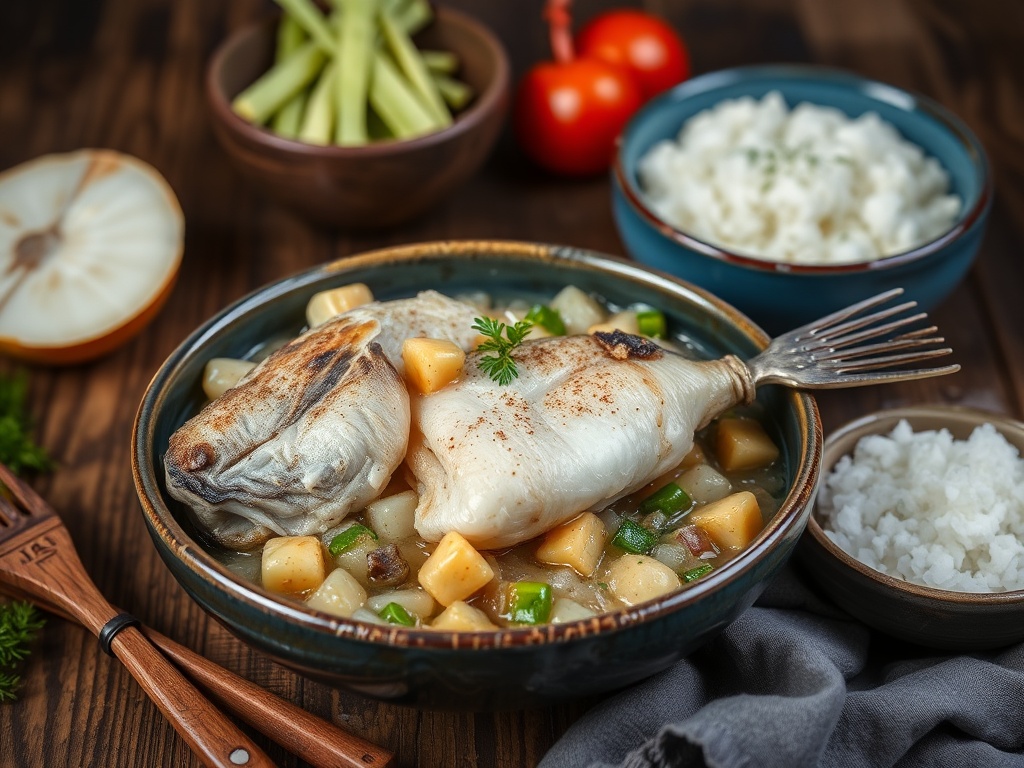
Unveiling the Rich Flavors of Portuguese Bacalhau: Traditional Salt Cod
Introduction to the world of Portuguese cuisine is incomplete without mentioning the revered
Bacalhau, a traditional salt cod dish that has been a cornerstone of European meals for centuries. The Portuguese have a deep affection for this humble fish, which they have elevated to an art form through various preparations and recipes. In this article, we will delve into the history, cultural significance, and culinary delights of
Portuguese Bacalhau, exploring what makes it a staple of
European cuisine.
The Origins of Bacalhau
The history of
Bacalhau dates back to the 15th century when the Portuguese discovered the rich cod fisheries off the coast of Newfoundland. The preservation of cod through salting allowed for its transportation and storage, making it an essential protein source for the Portuguese population. Over time,
Bacalhau became an integral part of Portuguese cuisine, with various regions developing their unique recipes and cooking methods.
Cultural Significance of Bacalhau
In Portugal,
Bacalhau is more than just a dish; it's a cultural icon that evokes a sense of national pride and nostalgia. It's a symbol of the country's rich maritime history and its people's resourcefulness in preserving food for sustenance.
Bacalhau is often served on special occasions, such as Christmas and Easter, and is a staple at traditional Portuguese gatherings and festivals.
Traditional Recipes and Preparations
The Portuguese have developed a wide range of
Bacalhau recipes, each with its unique flavor profile and texture. Some of the most popular dishes include:
- Bacalhau à Brás: A classic recipe from Lisbon, made with shredded cod, onions, potatoes, and scrambled eggs.
- Bacalhau com Natas: A creamy cod dish from the north of Portugal, featuring cod, potatoes, and a rich sauce made with cream and butter.
- Bacalhau Grelhado: A simple yet flavorful recipe from the Algarve region, where cod is grilled to perfection and served with a side of boiled potatoes and vegetables.
Gourmet Twists on Traditional Bacalhau
In recent years,
Portuguese chefs have been experimenting with innovative ways to prepare
Bacalhau, incorporating modern techniques and ingredients while maintaining the dish's traditional essence. Some examples of gourmet
Bacalhau include:
- Bacalhau Tartare: A refreshing appetizer made with raw cod, mixed with herbs and spices, and served with toasted bread or crackers.
- Bacalhau Croquettes: Crispy fried balls filled with a mixture of cod, potatoes, and onions, often served as a snack or appetizer.
- Bacalhau Risotto: A creamy and comforting rice dish from the north of Portugal, featuring cod, Arborio rice, and a rich fish broth.
Bacalhau in Modern European Cuisine
The influence of
Portuguese Bacalhau can be seen in various
European cuisines, where chefs have adapted and modified traditional recipes to suit local tastes and ingredients. From
Spanish Tortilla de Bacalao to
Italian Baccalà, the legacy of
Bacalhau continues to inspire new generations of chefs and food enthusiasts.
Pairing Bacalhau with Fine Wines
When it comes to pairing
Bacalhau with wine, the options are endless. A dry and crisp
white wine, such as
Albariño or
Verdejo, complements the delicate flavors of cod, while a rich and full-bodied
red wine, such as
Port or
Madeira, pairs perfectly with the hearty and savory flavors of traditional
Bacalhau recipes.
Conclusion
In conclusion,
Portuguese Bacalhau is a culinary treasure that embodies the rich history, cultural heritage, and gastronomic excellence of
European cuisine. Whether you're a food enthusiast, a chef, or simply a lover of fine cuisine,
Bacalhau is a dish that deserves to be explored and savored. With its unique flavor profile, versatility, and cultural significance,
Portuguese Bacalhau is sure to delight even the most discerning palates.
Commentaires
Enregistrer un commentaire