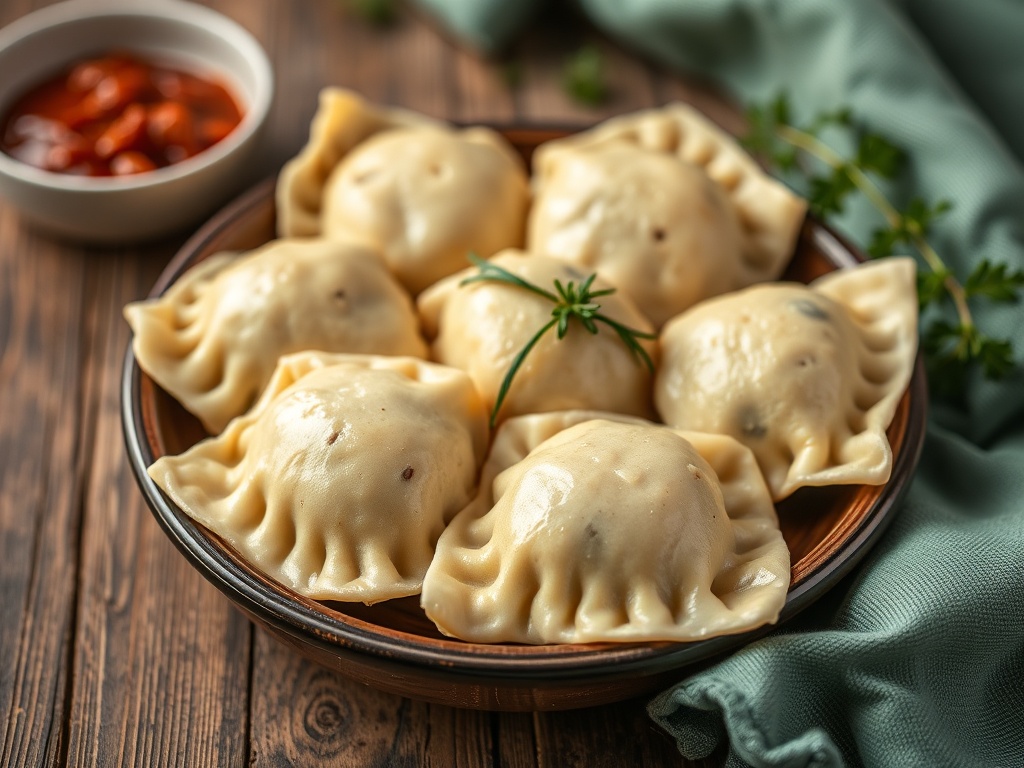
Polish Pierogi Traditional Dumplings
Step into the heartwarming world of Polish cuisine, where few dishes evoke as much comfort and national pride as the humble pierogi. These delightful, crescent-shaped dumplings, brimming with an array of savory or sweet fillings, are more than just food; they are a culinary cornerstone, a symbol of family gatherings, and a testament to Poland's rich gastronomic heritage. From festive holiday tables to everyday meals, pierogi hold a special place in the hearts of Poles and food enthusiasts worldwide. Join us as we explore the fascinating history, diverse flavors, and the simple joy of preparing these traditional European treasures, making them an essential addition to your repertoire of easy European meals.
The Heart of Polish Cuisine: What Are Pierogi?
At its core, a pieróg (the singular form of pierogi) is a filled dumpling made from a simple, unleavened dough, typically a mixture of flour, water or milk, egg, and a pinch of salt. This pliable dough is rolled out thinly, cut into circles, filled with a delicious mixture, and then sealed into its characteristic half-moon shape. While often compared to Italian ravioli or Russian pelmeni, pierogi possess a distinct identity, celebrated for their hearty yet delicate texture and the incredible versatility of their fillings. Once shaped, they are traditionally boiled until they float to the surface, signaling their readiness. Often, they are then pan-fried in butter until golden brown and slightly crispy, adding another layer of texture and flavor. This two-step cooking process is crucial to achieving the perfect pierogi, ensuring a tender interior and a satisfying exterior. Whether served as a main course, a side dish, or even a dessert, pierogi embody the very essence of Polish comfort food, offering a taste of tradition in every bite.
A Journey Through Time: The Rich History of Pierogi
The origins of pierogi are shrouded in a delightful blend of legend and historical theory, making their journey to the heart of Polish cuisine a captivating tale. While some culinary historians suggest their roots trace back to China, arriving in Europe via the Silk Road and Marco Polo's travels, others point to an Italian influence, or even a purely Slavic invention. A popular Polish legend attributes the introduction of pierogi to Saint Hyacinth of Poland, who, after visiting Kyiv, supposedly brought the recipe back to Poland in the 13th century. He is said to have fed the hungry with these dumplings during a famine, solidifying their place as a humble yet vital food source. Over centuries, pierogi evolved from simple peasant fare into a beloved national delicacy, adapting to regional ingredients and culinary traditions across Poland. They became particularly associated with celebrations and holidays, each occasion often dictating specific fillings. This adaptability and enduring appeal cemented pierogi's status not just as a dish, but as a cherished part of Polish cultural identity and heritage, passed down through generations.
- Early mentions in Polish cookbooks and folklore suggest pierogi were a common and celebrated dish as early as the 17th century, appearing in various forms and under different names.
- Pierogi hold significant importance in specific holiday traditions, most notably Wigilia (Christmas Eve), where a special variety filled with sauerkraut and mushrooms is a non-negotiable part of the festive meal.
- Their simple ingredients and ease of preparation made them an accessible and nourishing food during times of scarcity, allowing for creativity with whatever seasonal ingredients were available.
- Beyond sustenance, pierogi often symbolize abundance and comfort, particularly when prepared in large batches for family gatherings, embodying the warmth of home and hospitality.
A Symphony of Flavors: Popular Pierogi Fillings
One of the most captivating aspects of pierogi is the astonishing variety of fillings, each offering a unique culinary experience. The versatility of pierogi means there’s a flavor profile to suit every palate and occasion, making them a truly dynamic dish. Among the savory options, "pierogi ruskie" (Ruthenian pierogi) reigns supreme as perhaps the most famous and beloved. This classic filling combines creamy mashed potatoes with tangy farmer's cheese (twaróg) and often sautéed onions, creating a harmonious blend of textures and tastes. Another popular savory choice features richly seasoned ground meat, often pork or beef, sometimes mixed with breadcrumbs or rice. For festive occasions, especially Christmas Eve, "pierogi z kapustą i grzybami" (sauerkraut and mushroom pierogi) are indispensable, offering a deep, earthy, and slightly sour flavor. Other savory variations include spinach and cheese, lentil, or even wild mushrooms alone. The sweet pierogi are equally delightful, transforming the dumpling into a delectable dessert. Common sweet fillings include fresh fruits like blueberries (pierogi z jagodami), cherries (pierogi z wiśniami), strawberries, or apples, often lightly sweetened. Another favorite is sweet twaróg, a sweetened farmer's cheese filling, sometimes enhanced with vanilla or raisins. Each filling is carefully prepared, often cooked and seasoned before being encased in the tender dough, ensuring a burst of flavor in every bite.
Crafting the Perfect Pierogi: A Step-by-Step Guide
Making pierogi from scratch is a rewarding culinary endeavor that, while requiring a bit of time and patience, is surprisingly accessible and deeply satisfying. The secret to exceptional pierogi lies in a tender, elastic dough that is easy to work with and holds its shape beautifully. Begin by combining all-purpose flour with a warm liquid (water or milk), an egg, and a pinch of salt, kneading until smooth and pliable. The dough should be soft but not sticky, allowing it to be rolled thin without tearing. Once rested, roll out the dough on a lightly floured surface to about 1/8 inch thickness, then use a round cutter or the rim of a glass to cut out circles. Place a spoonful of your chosen filling in the center of each circle. The key here is not to overfill, which can make sealing difficult. Gently fold the dough over the filling to create a half-moon shape, then carefully crimp the edges together to seal them completely. Many home cooks use a fork to press down the edges, creating a decorative and secure seal. Once all pierogi are shaped, they are ready for cooking. Bring a large pot of salted water to a rolling boil, then gently drop the pierogi in, ensuring not to overcrowd the pot. They will sink initially, then float to the surface when cooked, typically after 2-3 minutes. Remove them with a slotted spoon, and for extra flavor and texture, pan-fry them in melted butter until golden brown and slightly crispy. Serve savory pierogi with dollops of sour cream, crispy fried onions, or bacon bits, while sweet pierogi shine with a dusting of sugar, a side of sour cream, or a fresh fruit compote. Mastering this process will bring the true taste of Poland to your kitchen.
Beyond the Plate: Pierogi in Polish Culture and Modern Cuisine
Pierogi transcend their role as mere sustenance; they are deeply woven into the fabric of Polish culture, symbolizing hospitality, tradition, and the warmth of home. In Poland, preparing pierogi is often a communal activity, with family members gathering to make large batches, sharing stories and laughter around the kitchen table. This tradition fosters a strong sense of connection and passes down culinary knowledge from one generation to the next, making the act of making pierogi as cherished as eating them. Beyond the home, pierogi are a staple in Polish restaurants worldwide, serving as an ambassador of Polish cuisine and a comforting taste of home for the diaspora. In recent years, pierogi have also found their way into modern culinary trends, inspiring chefs to experiment with innovative fillings and presentations. You might find gourmet pierogi with unexpected ingredients like smoked salmon, pulled pork, or exotic cheeses, alongside traditional favorites. Pierogi festivals are common across Poland and in communities with a strong Polish heritage globally, celebrating the dumpling in all its forms through competitions, tastings, and cultural performances. These events highlight the enduring popularity and versatility of pierogi, demonstrating their ability to evolve while retaining their authentic charm. Whether enjoyed in a traditional setting or a contemporary bistro, pierogi remain a testament to Poland’s rich culinary spirit and an irresistible invitation to savor a piece of European heritage.
Conclusion
From their intriguing historical roots to their boundless versatility in flavor, Polish pierogi stand as a true icon of European comfort food. These traditional dumplings, whether savory or sweet, offer a heartwarming taste of Poland's rich culinary heritage, embodying the spirit of family, tradition, and delicious simplicity. Their enduring popularity across generations and borders is a testament to their comforting appeal and the sheer joy they bring to any meal. Whether you're a seasoned chef or a curious home cook, the journey of making and savoring pierogi is an experience that connects you directly to the heart of Polish culture. We hope this exploration has inspired you to either seek out these delightful dumplings at your local Polish eatery or, even better, to embark on your own pierogi-making adventure. Explore more easy European meals and bring the rich flavors of the continent into your kitchen today!
Commentaires
Enregistrer un commentaire