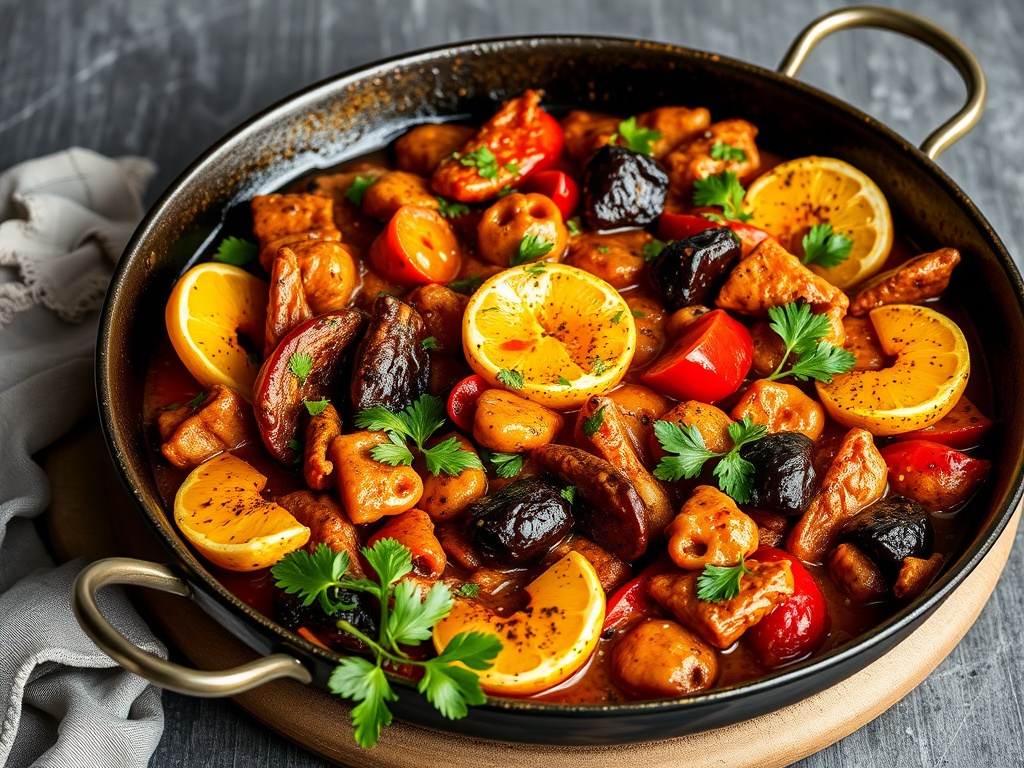
Spanish Paella: Your Complete Beginner's Guide to Authentic Flavors
Embark on a culinary journey to the sun-drenched shores of Spain with one of its most iconic and beloved dishes: Paella. This vibrant, aromatic rice dish is more than just a meal; it's a celebration, a communal experience, and a true testament to the rich tapestry of Spanish cuisine. Often perceived as complex, mastering paella at home is surprisingly accessible for beginners with the right guidance. Here at Easy European Meals, we believe everyone can recreate the magic of authentic Spanish flavors. This comprehensive guide will demystify paella, from its humble origins to the essential ingredients and techniques, ensuring your first attempt is not just successful, but truly delicious. Get ready to impress your family and friends with a taste of Spain!
The Heart of Spain: A Brief History of Paella
The story of paella begins in the picturesque region of Valencia, on Spain's eastern coast, where it emerged as a rustic, hearty dish among farmers and agricultural workers. Originally cooked over an open fire in the fields, paella was a practical and delicious way to combine readily available ingredients. The earliest versions typically featured ingredients like rice, rabbit, chicken, snails, and local beans, reflecting the bounty of the Valencian countryside. The name "paella" itself is believed to come from the Old French word "paelle" for pan, or possibly from the Latin "patella," both referring to the flat, round cooking pan in which it's traditionally made.
As the dish evolved, so did its varieties. While Paella Valenciana (with chicken, rabbit, and green beans) remains the most authentic and protected recipe, other regional variations gained popularity. Seafood paella, brimming with prawns, mussels, and squid, became a coastal favorite, while mixed paella, combining meat and seafood, offers a delightful fusion of flavors. Regardless of the specific ingredients, paella has always embodied a spirit of gathering and celebration. It’s a dish meant to be shared, often cooked outdoors for large groups, symbolizing warmth, hospitality, and the joyous spirit of Spanish culture. Understanding its roots helps appreciate the soul of this incredible dish.
Essential Ingredients for Your First Paella
Creating an authentic paella begins with selecting the right ingredients. While the dish can seem complex, focusing on a few key components will set you on the path to success. Quality over quantity is paramount here; each ingredient plays a crucial role in building the distinctive flavors and textures. Don't be tempted to cut corners on these essentials, as they form the very foundation of your Spanish culinary masterpiece. Here's what you'll need to gather:
- Paella Rice (Bomba or Calasparra): This is non-negotiable. Unlike long-grain rice, Spanish paella rice varieties like Bomba or Calasparra are short-grain, highly absorbent, and retain their shape well without becoming mushy. They soak up all the delicious broth and flavors, making each grain a tiny burst of taste.
- Saffron Threads: The golden soul of paella. Saffron not only imparts a beautiful, vibrant yellow hue but also a delicate, floral, and slightly sweet aroma that is characteristic of authentic paella. A little goes a long way, so invest in good quality saffron; it's worth every penny.
- A Paella Pan (Paellera): While not strictly an ingredient, the traditional paella pan is crucial for achieving the perfect texture, especially the coveted "socarrat." Its wide, shallow design allows the rice to cook in a thin layer, promoting even cooking and maximum flavor absorption.
- Quality Broth/Stock: Whether it's chicken, vegetable, or fish stock, ensure it's homemade or a high-quality store-bought option. The broth is the liquid backbone of your paella, infusing every grain of rice with deep, savory flavor. Avoid thin or overly salty broths.
- Spanish Olive Oil: A staple in Mediterranean cooking, good quality extra virgin olive oil is essential for sautéing and building the flavor base.
- Fresh Vegetables & Proteins: Depending on your chosen paella type, fresh ingredients like ripe tomatoes, bell peppers, garlic, onion, chicken, rabbit, or various seafood are vital.
Mastering the Sofrito: The Flavor Foundation
If paella has a secret weapon, it's the sofrito. This aromatic base is the heart and soul of many Spanish dishes, and in paella, it's absolutely crucial for developing deep, complex flavors. Think of it as the canvas upon which all other flavors are painted. A good sofrito isn't rushed; it's a labor of love, patiently cooked until sweet, caramelized, and intensely fragrant. It's where the initial layers of flavor are built, transforming simple ingredients into a rich, savory foundation that permeates every grain of rice.
Typically, a paella sofrito consists of finely diced or grated onion, garlic, and bell peppers (often red, sometimes green), slowly cooked in Spanish olive oil until incredibly soft and translucent. Ripe, grated tomatoes are then added, and this mixture is simmered gently until most of the liquid has evaporated, leaving behind a thick, jam-like paste. This slow cooking process allows the natural sugars in the vegetables to caramelize, creating a profound sweetness and umami that forms the backbone of the paella's taste profile. Resist the urge to crank up the heat; patience is key here. A properly prepared sofrito will infuse your paella with an unparalleled depth and authentic Spanish character, making all the difference between a good paella and an unforgettable one.
The Art of the Socarrat: Achieving the Crispy Bottom
For many paella aficionados, the true mark of a masterfully cooked paella isn't just the perfectly cooked rice or the harmonious blend of ingredients; it's the elusive and highly prized "socarrat." This is the thin, crispy, slightly caramelized crust of rice that forms at the very bottom of the paella pan. It’s not burnt, but rather toasted to a delightful crispness, offering a textural contrast that is utterly addictive. Achieving the socarrat is an art form, a delicate balance that separates a good paella from an extraordinary one.
The secret lies in heat management and restraint. Once the rice and broth have been added to the pan and the liquid has mostly absorbed, the key is to resist stirring the rice. Stirring prevents the crust from forming and releases starch, which can make the rice mushy. Instead, towards the end of the cooking process, when the rice is almost done and very little liquid remains, increase the heat slightly for a few minutes. You'll need to listen carefully for a gentle crackling sound, and perhaps even catch a subtle aroma of toasted rice. This indicates the socarrat is forming. Keep a close eye (and ear) on it, as the line between perfectly toasted and burnt is fine. Once you hear the crackle, turn off the heat and let the paella rest. The socarrat will detach from the pan more easily after resting, revealing its golden-brown, crispy glory. It's a testament to the cook's patience and skill, a delicious reward that every bite-worthy paella should offer.
Step-by-Step Beginner-Friendly Paella Recipe
Ready to create your own Spanish masterpiece? This simplified recipe focuses on a delicious chicken and vegetable paella, perfect for beginners. Remember, the key is patience and enjoying the process!
Ingredients:
- 3 tbsp Spanish olive oil
- 1 lb boneless, skinless chicken thighs, cut into 1-inch pieces
- 1 large onion, finely chopped
- 3 cloves garlic, minced
- 1 red bell pepper, diced
- 1 (14.5 oz) can crushed tomatoes (or 2 ripe tomatoes, grated)
- 1 tsp smoked paprika (pimentón dulce)
- Pinch of saffron threads, steeped in 1/4 cup warm broth
- 2 cups Bomba or Calasparra rice
- 4 cups hot chicken or vegetable broth
- 1/2 cup frozen green peas
- Salt and freshly ground black pepper to taste
- Fresh parsley, chopped, for garnish
- Lemon wedges, for serving
Instructions:
- Prep Your Proteins: Heat olive oil in a 15-inch paella pan (or large, shallow skillet) over medium-high heat. Season chicken with salt and pepper. Add chicken to the pan and brown on all sides, about 5-7 minutes. Remove chicken and set aside.
- Build the Sofrito: Reduce heat to medium. Add onion to the pan and cook until softened, about 5 minutes. Add garlic and bell pepper, cooking for another 5-7 minutes until tender. Stir in crushed tomatoes and smoked paprika. Cook, stirring occasionally, for 10-15 minutes, until the mixture thickens and darkens.
- Add Rice and Broth: Stir in the rice, ensuring each grain is coated with the sofrito. Cook for 2 minutes, stirring gently. Pour in the hot broth (including the saffron-steeped broth). Distribute the chicken evenly back into the pan. Bring to a gentle simmer.
- Cook the Paella (No Stirring!): Adjust heat to maintain a steady, gentle simmer. Cook uncovered for 15-20 minutes, or until most of the liquid has been absorbed and the rice is almost tender. Resist the urge to stir the rice during this stage – this is crucial for the socarrat!
- Finish and Rest: Sprinkle in the green peas. If desired, increase heat slightly for the last 2-3 minutes to encourage the formation of the socarrat (listen for a gentle crackling sound at the bottom). Remove from heat. Cover the paella loosely with foil or a clean kitchen towel and let it rest for 5-10 minutes. This allows the rice to finish cooking and the flavors to meld.
- Serve: Garnish with fresh parsley and serve immediately with lemon wedges on the side. Enjoy your homemade Spanish paella!
Conclusion
There you have it – your comprehensive beginner's guide to creating an authentic Spanish paella right in your own kitchen! From understanding its rich history and identifying the indispensable ingredients to mastering the foundational sofrito and achieving that coveted socarrat, you now possess the knowledge to embark on this delightful culinary adventure. Paella is more than just a recipe; it's a sensory experience that transports you to the heart of Spain with every fragrant spoonful. Don't be intimidated; embrace the process, trust in the quality of your ingredients, and allow yourself to enjoy the journey of bringing this incredible dish to life.
We encourage you to experiment with different proteins and vegetables once you've mastered this basic recipe, truly making it your own. The joy of cooking European meals is in the discovery and the sharing. So gather your loved ones, fire up your paella pan, and create memories around a dish that embodies the warmth and generosity of Spanish cuisine. Share your paella creations with us, and for more easy European recipes and cooking tips, keep exploring Easy European Meals – your go-to source for delicious French, Italian, and Spanish cooking inspiration!
<!--
Commentaires
Enregistrer un commentaire