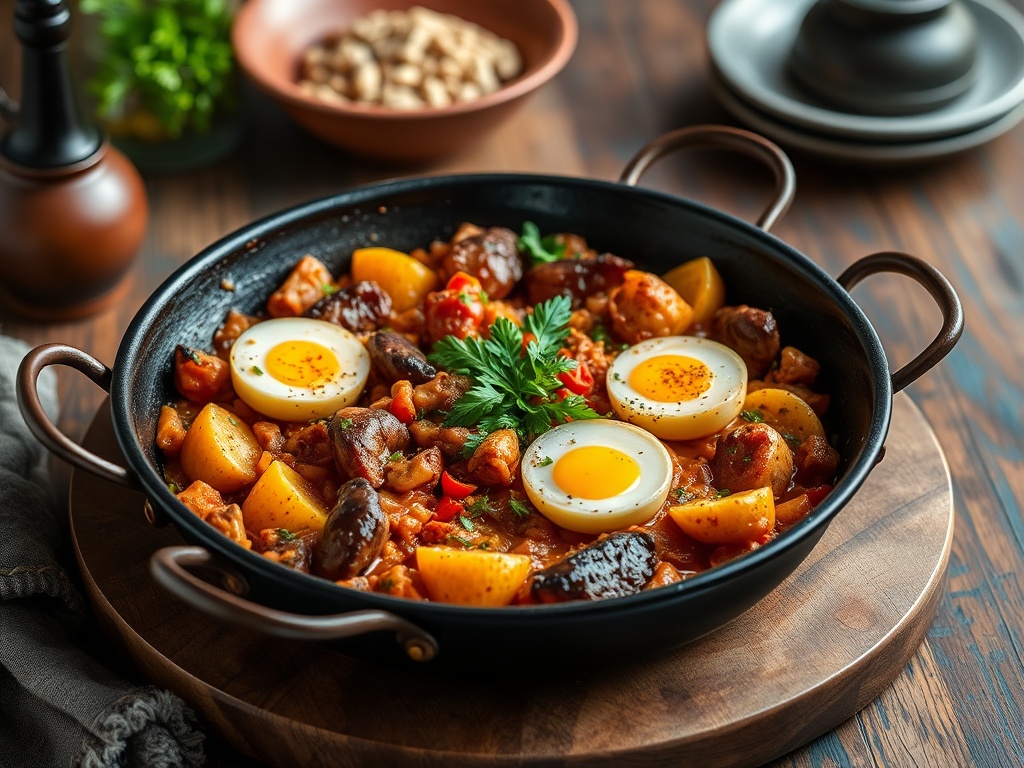
Spanish Paella Complete Beginners Guide: Master This Iconic Dish
Welcome to the vibrant world of Spanish cuisine, where few dishes capture the heart and soul quite like Paella. This iconic rice dish, steeped in tradition and bursting with Mediterranean flavors, often intimidates home cooks. But fear not! At Easy European Meals, we believe everyone can master this culinary gem. This complete beginner's guide will demystify the process, breaking down each step to help you create an authentic, delicious paella right in your own kitchen. Get ready to embark on a flavorful journey, transforming simple ingredients into a show-stopping meal that embodies the spirit of Spanish cooking.
What is Paella? A Culinary Journey
Paella is more than just a rice dish; it's a cultural institution, a symbol of Spanish culinary heritage, particularly from its birthplace, Valencia. Traditionally cooked outdoors over an open fire, it's a communal dish meant to be shared, bringing families and friends together. The essence of paella lies in its specific short-grain rice, infused with saffron, cooked in a wide, shallow pan (a "paellera"), and characterized by the coveted "socarrat" – a crispy, caramelized crust of rice that forms at the bottom. While the most authentic version, Paella Valenciana, features chicken, rabbit, and green beans, many regional variations exist, including the popular seafood paella and mixed paella, each offering a unique taste of Spain's diverse gastronomic landscape. Understanding its roots and core elements is the first step to mastering this incredible dish.
Essential Ingredients for Your First Paella
Creating a truly authentic paella begins with selecting the right ingredients. While the simplicity of the components might surprise you, their quality and proper preparation are paramount. For your first attempt, we recommend focusing on a mixed or chicken and vegetable paella, as it allows you to grasp the fundamental techniques without the complexities of preparing various seafood. The foundation of any great paella is the sofrito – a flavorful base of sautéed onions, garlic, and tomatoes. Beyond that, the choice of rice and the inclusion of saffron are non-negotiable for that signature Spanish taste. Investing in good quality ingredients will elevate your dish from good to unforgettable.
- Bomba or Calasparra Rice: These Spanish short-grain varieties are crucial. They absorb a large amount of liquid without becoming mushy, perfectly holding the flavors of the broth and saffron. Do not substitute with long-grain rice.
- Saffron Threads: The soul of paella, saffron imparts its characteristic golden color and delicate, floral aroma. A small amount goes a long way. Steep it in a little warm broth before adding to maximize its flavor and color.
- High-Quality Olive Oil: As with much of Mediterranean cooking, a good extra virgin olive oil is essential for the sofrito and to sauté your proteins and vegetables, contributing to the rich flavor profile.
- Flavorful Broth: Whether chicken, vegetable, or fish broth, ensure it's high quality. Many experts recommend homemade broth for the best results, as it forms the liquid base that infuses every grain of rice with depth.
The Right Tools: Beyond Just a Pan
While the ingredients are vital, having the correct equipment can significantly impact the success of your paella. The most iconic tool is, of course, the paellera – the wide, shallow, round carbon steel pan from which the dish gets its name. Its design is not merely aesthetic; it's engineered for optimal cooking. The broad surface area allows the rice to cook in a thin layer, promoting even absorption of liquid and facilitating the development of the prized "socarrat." For beginners, a paellera is highly recommended, but don't let its absence deter you. A wide, shallow cast-iron skillet or even a large, low-sided frying pan can serve as a decent substitute for your first few attempts, provided it offers good heat distribution. A sturdy wooden spoon for stirring the sofrito and a grater for fresh tomatoes are also useful additions to your paella toolkit.
Step-by-Step: Crafting Your First Paella (The Process)
Now for the exciting part – bringing all the elements together! Making paella is a layered process, but each step is straightforward. Begin by preparing your sofrito: heat olive oil in your paellera over medium heat, then gently sauté finely chopped onions and bell peppers until softened. Add minced garlic and grated fresh tomatoes, cooking until the mixture thickens and the oil separates, indicating a rich, concentrated flavor base. Next, brown your chosen protein (chicken pieces, for example) in the same pan, developing a delicious crust. Stir in any vegetables like green beans or artichoke hearts. Then, add your bomba rice, stirring it gently with the sofrito and other ingredients for a minute or two, allowing it to toast lightly and absorb the foundational flavors. This crucial step ensures every grain is coated before the liquid is introduced, laying the groundwork for a truly spectacular paella.
Once the rice is lightly toasted, it's time for the liquid. Pour in your hot broth, infused with saffron (which you've bloomed earlier). Distribute the ingredients evenly across the pan, but importantly, resist the urge to stir the rice once the broth is added. Stirring releases starch, which can make the paella gummy rather than perfectly al dente. Let the paella simmer undisturbed over medium heat for about 15-20 minutes, or until most of the liquid has been absorbed and the rice is almost cooked. During the last few minutes, increase the heat slightly to encourage the formation of the "socarrat" – that crispy, flavorful crust at the bottom of the pan. Listen for a gentle sizzling sound, a sign that the magic is happening. Once the liquid is absorbed and the rice is tender, remove the paella from the heat, cover it loosely with foil or a clean kitchen towel, and let it rest for 5-10 minutes. This resting period allows the flavors to meld and the rice to finish cooking perfectly, ensuring a delightful texture in every bite.
Tips for Paella Success & Common Pitfalls to Avoid
Even with a clear recipe, a few insider tips can make all the difference in achieving paella perfection. Firstly, and perhaps most crucially, do not stir the rice once the broth is added. Stirring activates the starch, turning your paella into risotto. The goal is separate, flavorful grains with a distinct bite. Secondly, pay close attention to your rice-to-liquid ratio; generally, it's about 1 part rice to 2.5-3 parts liquid, but this can vary slightly based on rice type and pan size. Always use hot broth to avoid shocking the rice and disrupting the cooking process. Thirdly, heat management is key. Start with medium heat, then adjust as needed to maintain a gentle simmer and achieve that glorious socarrat without burning. Don't overcrowd your pan; leave enough space for the rice to cook in a thin layer. Finally, ensure you let your paella rest after cooking. This allows the remaining steam to finish cooking the top layer of rice and helps the flavors settle. Embrace the imperfections of your first few attempts; paella making is an art that improves with practice and patience. The joy is in the journey and the delicious results.
Conclusion
Embarking on your paella-making journey is a rewarding experience that connects you directly to the heart of Spanish culinary tradition. From understanding its rich history and selecting the right ingredients to mastering the gentle art of cooking without stirring, you now have the foundational knowledge to create a truly memorable dish. Remember, paella is as much about the process and the shared experience as it is about the final taste. Don't be afraid to experiment with different proteins and vegetables once you've mastered the basics, personalizing it to your palate. Each attempt will bring you closer to perfecting your technique and unlocking new depths of flavor. So gather your ingredients, fire up your paellera, and bring a taste of Spain to your table. Ready to embark on your culinary journey? Explore more easy European recipes and expand your Mediterranean cooking skills at Easy European Meals!
Commentaires
Enregistrer un commentaire