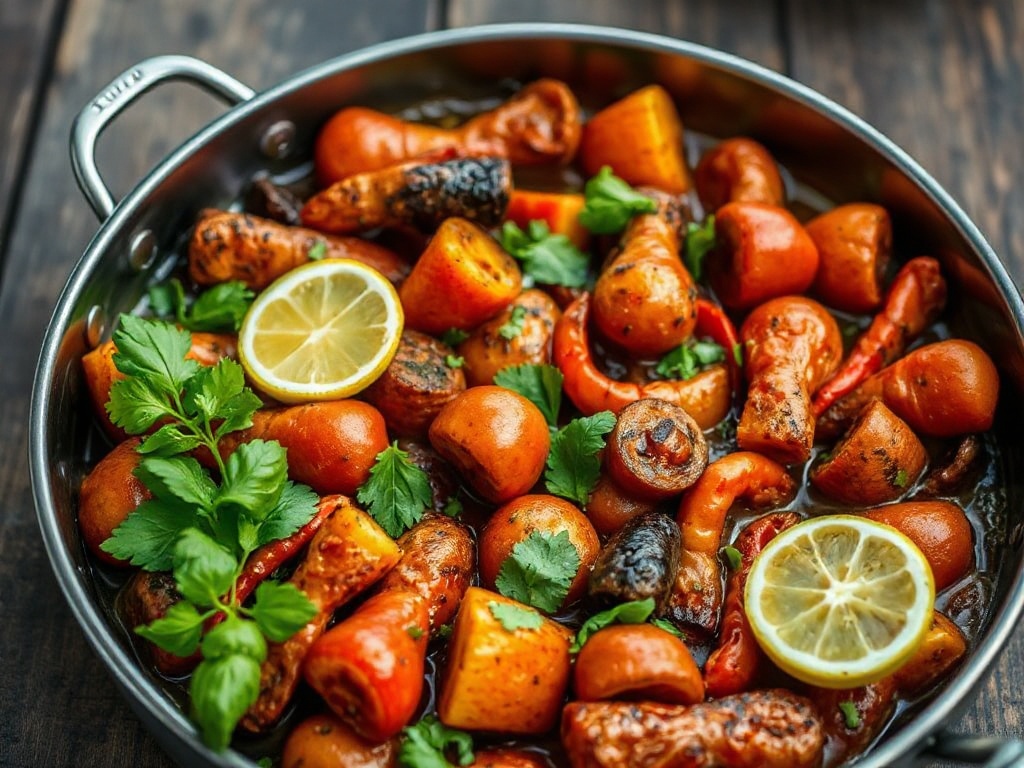
Discover the secrets to crafting a magnificent Spanish paella right in your own kitchen! Paella, a vibrant and iconic dish from Spain, is renowned for its rich flavors, aromatic saffron-infused rice, and the coveted crispy crust known as socarrat. Often perceived as complex, this culinary masterpiece is surprisingly accessible for home cooks with the right guidance. At Easy European Meals, we believe authentic European flavors should be a joy to create, not a challenge. This complete beginner's guide will demystify paella, breaking down each step to help you confidently prepare a delicious, show-stopping Spanish paella that will transport your taste buds straight to the sun-drenched shores of Valencia. Get ready to impress your family and friends with this timeless Mediterranean delight!
What is Paella? A Culinary Journey to Spain's Heart
Paella is more than just a rice dish; it's a symbol of Spanish culture, communal dining, and the warmth of Mediterranean living. Originating in the fields of Valencia, Spain, paella began as a humble farmers' meal, cooked over an open fire with ingredients readily available, such as rice, vegetables, and small game like rabbit or snails. Over centuries, it evolved into the celebrated dish we know today, maintaining its core principles of simple, fresh ingredients expertly combined to create a symphony of flavors. The name "paella" itself refers to the wide, shallow pan in which it's traditionally cooked, a "paellera."
The essence of a great paella lies in several key elements: the specific type of short-grain rice, the use of saffron for its distinctive color and aroma, and the development of the "socarrat." This crispy, caramelized crust that forms at the bottom of the pan is highly prized and considered the pinnacle of a well-made paella. While countless variations exist today, from seafood to mixed meat and vegetable versions, the heart of paella remains its ability to bring people together, sharing a generous pan of fragrant, flavorful rice. It's a dish that embodies the spirit of Spanish hospitality and the rich culinary heritage of the Mediterranean.
Essential Ingredients & Equipment for Your First Paella
Embarking on your paella journey requires understanding a few core components that make this dish uniquely Spanish. Don't worry, many of these are easily found, and some can be substituted without compromising the spirit of the dish. Here's what you'll need to gather:
First, the star of the show: **Paella Rice**. This isn't just any rice; you'll need a short-grain, absorbent variety like Bomba or Calasparra rice. These Spanish rice varieties are crucial because they absorb a significant amount of liquid and flavor without becoming sticky or mushy, while maintaining their individual grain structure. If you can't find Bomba or Calasparra, Arborio rice (used for risotto) can be a decent substitute in a pinch, though it will yield a slightly creamier texture.
Next, the golden touch: **Saffron Threads**. This precious spice gives paella its characteristic golden hue and subtle, floral aroma. A small pinch goes a long way. Good quality saffron is worth the investment for an authentic taste. You'll also need high-quality **Olive Oil**, a staple of Mediterranean cooking, for sautéing and building flavor. A rich, flavorful **Broth** (chicken, vegetable, or fish, depending on your paella type) is essential, as it's the liquid base that cooks the rice and infuses it with depth. Finally, your choice of **Protein and Vegetables** will complete the flavor profile. For a traditional Valencian paella, this would include chicken, rabbit, green beans, and garrofón (a type of flat white bean). For a seafood paella, shrimp, mussels, and calamari are popular. Mixed paellas combine poultry, seafood, and vegetables. Don't forget fresh garlic, tomatoes, and sweet paprika for foundational flavors.
- Paella Pan (Paellera): A wide, shallow, two-handled pan is ideal for even cooking and allowing the "socarrat" to form. While traditional, a large skillet or wide pot with low sides can work for beginners.
- Spanish Rice (Bomba or Calasparra): The specific short-grain rice that absorbs liquid without getting mushy.
- Saffron Threads: Essential for color and authentic flavor.
- Quality Broth: Chicken, vegetable, or fish broth to infuse the rice with deep flavor.
- Fresh Ingredients: Olive oil, garlic, tomatoes, sweet paprika, and your chosen proteins and vegetables.
Your First Paella: Step-by-Step Simplified
Making paella might seem daunting, but by breaking it down into manageable steps, you'll find it incredibly rewarding. This guide focuses on a simplified, yet authentic, approach perfect for beginners.
Step 1: Prepare Your Ingredients (Mise en Place). Before you even turn on the heat, chop all your vegetables, prepare your proteins, and measure out your rice, broth, and spices. Having everything ready to go makes the cooking process smooth and enjoyable. Crush your saffron threads lightly and steep them in a small amount of warm broth for about 10-15 minutes to fully release their color and aroma.
Step 2: Sauté the Aromatics and Protein. Heat a generous amount of olive oil in your paella pan over medium-high heat. If using chicken or rabbit, brown the pieces well on all sides, then push them to the sides of the pan. Add chopped garlic and sauté until fragrant, then add chopped tomatoes (or grated fresh tomatoes for a more traditional touch) and cook until the liquid evaporates and the tomato paste caramelizes slightly. Stir in the sweet paprika, cooking for just about 30 seconds to prevent burning.
Step 3: Introduce the Rice and Broth. Distribute your chosen protein and vegetables evenly across the pan. Add the paella rice, spreading it out evenly in a single layer. Stir the rice gently for a minute or two, coating it with the oil and aromatics – this helps the grains maintain their structure. Now, pour in your warm broth, including the saffron-infused liquid. Give the pan a gentle shake to ensure the rice is submerged, but resist the urge to stir the rice from this point forward.
Step 4: Simmer and Create the Socarrat. Bring the broth to a boil, then reduce the heat to a medium simmer. Let the paella cook undisturbed for about 15-20 minutes, or until most of the liquid has been absorbed and the rice is almost cooked through. Towards the end of the cooking time, you'll want to encourage the formation of the "socarrat." Increase the heat slightly for the last 2-3 minutes, listening for a gentle sizzling sound and smelling a toasted aroma. Be careful not to burn it! You can also carefully peek under the rice with a spoon to check for a golden-brown crust. Once you achieve this, remove the paella from the heat.
Step 5: Rest and Serve. Cover the paella pan loosely with foil or a clean kitchen towel and let it rest for 5-10 minutes. This allows the rice to finish cooking and the flavors to meld beautifully. Serve the paella directly from the pan at the table, encouraging everyone to enjoy a piece of that glorious socarrat. Garnish with fresh lemon wedges, which add a bright, zesty counterpoint to the rich flavors.
Mastering the Art: Tips for Success & Common Pitfalls
While the basic steps are straightforward, a few expert tips can elevate your paella from good to truly great. Avoiding common mistakes will ensure your first paella is a resounding success.
Embrace the "No-Stir" Rule: This is perhaps the most crucial rule for paella. Unlike risotto, you do not stir paella once the broth is added. Stirring releases starch from the rice, making it creamy and preventing the individual grains from cooking perfectly, and crucially, inhibiting the formation of the socarrat. Once the rice and broth are in, let it be.
Heat Management is Key: Begin with medium-high heat to brown your proteins and aromatics, then reduce to a steady simmer once the broth is added. For the final few minutes, a slight increase in heat helps create the socarrat. Listen to your paella; a gentle sizzle is good, a burning smell is not. Adjust your burner as needed to achieve even cooking across the pan.
Quality Ingredients Matter: While you don't need exotic items, using good quality short-grain paella rice, authentic saffron, flavorful broth, and fresh proteins/vegetables will make a noticeable difference in the final taste. Don't skimp on these core components.
Don't Overcrowd the Pan: Paella is designed to cook in a relatively thin layer, which allows for even cooking and the development of the socarrat. If your pan is too small for the amount of ingredients, the rice will steam rather than cook properly, resulting in a soggy paella. When in doubt, use a larger pan or make a smaller batch.
The Art of the Socarrat: This crispy, caramelized layer of rice at the bottom of the pan is a hallmark of a great paella. It's achieved by allowing the paella to cook undisturbed over slightly higher heat at the very end. Listen for the distinct crackling sound and smell a toasty aroma. A gentle scrape with a spoon will reveal its golden-brown glory. Practice makes perfect with this technique!
Rest Your Paella: Once cooked, cover the pan and let the paella rest for 5-10 minutes off the heat. This allows the flavors to meld, the rice to absorb any remaining liquid, and ensures a perfect texture. It's a small step that makes a big difference.
Common Pitfalls to Avoid:
- Too Much Liquid: This leads to mushy rice. Stick to the recommended rice-to-liquid ratio, typically 1 part rice to 2.5-3 parts liquid, but always check your rice package.
- Under-seasoning: Taste your broth before adding the rice and adjust salt as needed. Remember the flavors will concentrate as the liquid reduces.
- Using the Wrong Rice: Long-grain rice will not give you the correct texture or absorb flavors in the same way.
- Burning the Socarrat: Keep a close eye (and ear!) on the paella during the final minutes. It's a fine line between toasted and burnt.
Beyond the Classic: Paella Variations & Serving Suggestions
While the traditional Paella Valenciana (often featuring chicken, rabbit, and green beans) is the original, the beauty of paella lies in its versatility. Once you've mastered the basic technique, you can explore a world of delicious variations, adapting it to your taste and available ingredients. This flexibility is what makes paella a beloved dish across Europe and beyond.
One of the most popular variations is **Paella de Marisco**, or seafood paella. This vibrant version typically includes a medley of fresh seafood such as shrimp, mussels, clams, squid, and sometimes chunks of firm white fish. A fish or seafood broth is essential here to complement the ocean flavors. The cooking method remains largely the same, but the timing for adding different seafood components may vary to ensure they cook perfectly without becoming rubbery.
For those who love a bit of everything, **Paella Mixta** (mixed paella) combines elements of both meat and seafood. Often, it features chicken, chorizo (though chorizo is not traditional in authentic Valencian paella, it's popular in mixed versions outside Valencia), shrimp, and mussels, along with various vegetables. This option offers a rich and complex flavor profile that satisfies diverse palates.
Vegetarians need not miss out! A **Vegetarian Paella** can be incredibly flavorful and satisfying. Load it up with seasonal vegetables like bell peppers, artichoke hearts, asparagus, peas, mushrooms, and broad beans. Use a high-quality vegetable broth and ensure you build a robust flavor base with sofrito (sautéed garlic, onions, and tomatoes) and sweet paprika. Smoked paprika can add a nice depth of flavor reminiscent of traditional meat paellas.
Regardless of the variation you choose, paella is inherently a communal dish, meant to be shared directly from the pan. For serving, always have **fresh lemon wedges** on hand. A squeeze of lemon juice brightens the flavors and adds a zesty counterpoint to the richness of the rice. Accompany your paella with a simple green salad dressed with olive oil and vinegar, and some crusty bread to soak up any delicious juices. A glass of crisp Spanish white wine or a light-bodied red, or even a refreshing sangria, makes the perfect pairing, completing your authentic Spanish dining experience. Enjoy the vibrant flavors and the joy of sharing this wonderful European meal!
Conclusion
Congratulations! You've just taken your first confident steps into the wonderful world of Spanish paella. From understanding its rich Valencian origins to mastering the critical "no-stir" rule and achieving that coveted socarrat, you now possess the knowledge to create this iconic Mediterranean dish. Paella is more than just a recipe; it's an experience, a celebration of fresh ingredients, bold flavors, and communal dining. Don't be afraid to experiment with different proteins and vegetables, making each paella uniquely yours. The beauty of European cuisine, particularly easy Spanish recipes, lies in its ability to bring joy and deliciousness to your table without unnecessary fuss. So, gather your ingredients, fire up your paella pan, and embark on a culinary adventure that promises to delight. Ready to explore more easy European meals? Dive into our collection of French, Italian, and Spanish cooking guides for endless inspiration and bring the flavors of Europe home tonight!
[Master the art of Spanish paella with our complete beginner's guide! Learn essential ingredients, step-by-step cooking, and tips for perfect socarrat. Easy Mediterranean recipes from Easy European Meals.]
Commentaires
Enregistrer un commentaire