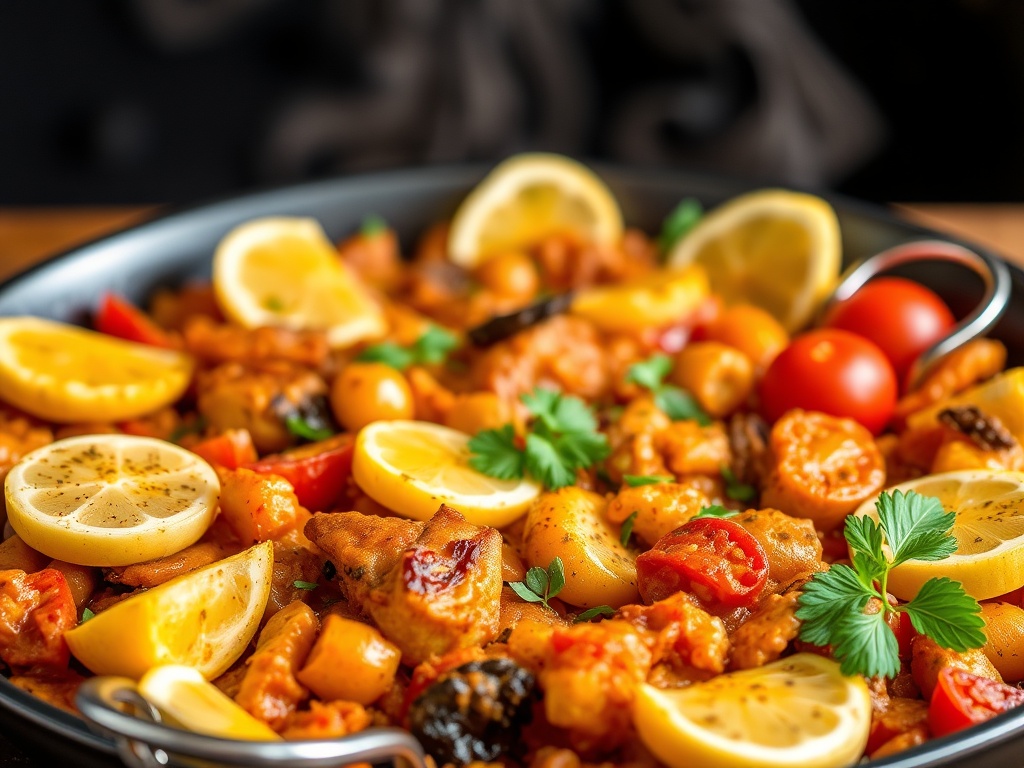
Spanish Paella Complete Beginners Guide: Your First Authentic Taste of Spain
Embark on a delightful culinary journey to Spain right from your kitchen! Spanish Paella, a vibrant and iconic dish, often seems intimidating to first-time cooks, but it doesn't have to be. Here at Easy European Meals, we believe everyone can master this celebrated rice dish. This comprehensive beginner's guide will demystify paella, breaking down its essential components, techniques, and secrets into simple, achievable steps. Get ready to impress your family and friends with a truly authentic taste of Mediterranean cooking, full of rich flavors and a beautiful presentation that speaks of sunny Spanish shores. Let's dive into the world of paella!
What is Paella? A Culinary Icon Explained
At its heart, paella is a traditional Spanish rice dish, cooked in a wide, shallow pan called a "paellera" over an open flame, resulting in a unique texture and flavor profile. Originating in Valencia, the dish traditionally featured ingredients readily available in the region, such as rice, chicken, rabbit, and various beans. Over centuries, paella has evolved, giving rise to numerous regional variations, each boasting its own distinct character. The most famous include Paella Valenciana (the original land-based version), Paella de Marisco (seafood paella), and Paella Mixta (a combination of meat and seafood). What unites them all is the specific short-grain rice, the aromatic saffron lending its golden hue, and the coveted "socarrat"—a crispy, caramelized crust that forms at the bottom of the pan, a true mark of a well-made paella. It's more than just a meal; it's a communal experience, often prepared for gatherings and celebrations, embodying the warmth and generosity of Spanish culture.
Essential Ingredients for Your First Paella
Crafting your first paella requires a thoughtful selection of ingredients, as each plays a crucial role in developing the dish's signature flavor and texture. While variations abound, focusing on these core elements will set you up for success. Don't worry about finding every obscure ingredient; our guide emphasizes accessibility while maintaining authenticity.
- The Right Rice: This is non-negotiable. You need a short-grain, absorbent rice like Bomba or Calasparra. These varieties absorb a large amount of liquid without becoming mushy, crucial for achieving paella's distinct texture and allowing the grains to cook evenly while remaining separate.
- Saffron Threads: The soul of paella's color and aroma. A pinch of good quality saffron, bloomed in a little warm broth, imparts that characteristic golden hue and subtle, earthy fragrance that defines authentic paella. Do not substitute with turmeric or food coloring; the flavor simply won't be the same.
- Quality Broth: The foundation of flavor. Whether chicken, vegetable, or fish broth (depending on your paella type), opt for a homemade or high-quality low-sodium store-bought option. The broth infuses the rice with depth and richness.
- Spanish Olive Oil: Extra virgin olive oil is central to Mediterranean cooking. Use a good quality Spanish olive oil for sautéing your sofrito and proteins, adding a fruity, robust flavor.
- Protein Choices: For a classic Paella Valenciana, chicken thighs (bone-in, skin-on for flavor) and sometimes rabbit are traditional. For seafood paella, shrimp, mussels, clams, and calamari are popular. For beginners, chicken or a mix of chicken and vegetables is an excellent starting point.
- Sofrito Staples: This aromatic base is essential. Finely diced onion, garlic, and grated ripe tomatoes cooked slowly in olive oil create a sweet and savory foundation for the entire dish.
- Smoked Paprika (Pimentón): A touch of sweet or bittersweet smoked Spanish paprika adds depth, color, and a wonderfully smoky flavor that complements the other ingredients beautifully.
- Fresh Lemon Wedges: Served alongside, a squeeze of fresh lemon juice brightens the flavors and adds a zesty finish to the rich paella.
Mastering the Paella Pan (Paellera) and Cooking Method
The paellera, the iconic wide, shallow pan, is more than just a cooking vessel; it's integral to the paella-making process. Its broad surface area allows the rice to cook in a thin layer, promoting even cooking and, most importantly, facilitating the development of the coveted "socarrat." While you can use a large skillet or cast-iron pan in a pinch, a proper paellera truly makes a difference. The cooking method itself follows a structured sequence: first, you build the "sofrito," a flavorful base of sautéed aromatics and sometimes protein. This is the heart of your paella's flavor. Once the sofrito is rich and fragrant, the protein (if using) is browned, and then the star of the show, the short-grain rice, is added and toasted briefly with the other ingredients. This toasting helps the grains maintain their structure. Finally, the hot broth, infused with saffron, is poured in. The key from this point forward is minimal stirring. Paella is not risotto; stirring releases starch, making the rice creamy, which is not desired here. The rice should simmer gently and absorb the liquid, allowing that precious crust to form undisturbed at the bottom. Heat management is crucial to achieve this balance, ensuring the top cooks while the bottom crisps.
Step-by-Step: Your First Chicken & Vegetable Paella Recipe
Let's walk through a simplified, beginner-friendly recipe for a delicious Chicken and Vegetable Paella. This version is forgiving and focuses on core techniques, allowing you to build confidence. Remember, practice makes perfect, and your first paella will be a memorable one!
- Prepare Your Ingredients: Have everything chopped, measured, and ready to go (mise en place). This includes dicing 1 onion, 3 cloves garlic, and grating 2 ripe tomatoes. Cut 1 lb boneless, skinless chicken thighs into 1-inch pieces. Have 1 cup of Bomba rice, 4 cups hot chicken broth (with a pinch of saffron bloomed in it), and 1/2 cup green beans (trimmed) ready.
- Build the Sofrito: Heat 3-4 tablespoons of olive oil in your paellera over medium heat. Add the chicken pieces and brown them well on all sides. Remove and set aside. Add the diced onion to the pan, cooking until softened (about 5-7 minutes). Add the garlic and cook for another minute until fragrant. Stir in the grated tomatoes and a teaspoon of smoked paprika, cooking until the mixture darkens and thickens, about 8-10 minutes. This is your flavorful sofrito.
- Add Rice and Broth: Return the browned chicken to the pan. Add the Bomba rice to the sofrito and stir gently for 1-2 minutes, coating the grains and toasting them slightly. Pour in the hot, saffron-infused chicken broth. Stir once or twice to distribute the ingredients evenly, then resist the urge to stir again! Arrange the green beans on top.
- Simmer and Cook: Bring the paella to a gentle simmer over medium-high heat. Once it's bubbling, reduce the heat to medium-low and let it cook undisturbed for about 15-20 minutes, or until most of the liquid has been absorbed and the rice is almost cooked through.
- Develop the Socarrat: Once the liquid is mostly absorbed, turn the heat up to medium-high for the last 2-3 minutes. Listen for a gentle crackling sound, indicating the formation of the crispy "socarrat" at the bottom. Keep a close eye and nose on it to prevent burning.
- Rest and Serve: Remove the paella from the heat. Cover the pan loosely with foil or a clean kitchen towel and let it rest for 5-10 minutes. This allows the rice to finish cooking and the flavors to meld. Serve directly from the paellera, garnished with fresh lemon wedges. Enjoy your first homemade Spanish paella!
Tips for Paella Perfection: Achieving the Coveted Socarrat
While the steps above provide a solid foundation, a few expert tips can elevate your paella from good to truly exceptional, especially when aiming for that glorious socarrat. Firstly, resist the urge to stir the rice once the broth has been added. Stirring releases starch, which results in a creamy, risotto-like texture, instead of the distinct, separate grains characteristic of paella. The magic happens when the rice is left undisturbed. Secondly, heat management is paramount. Start with a medium-high heat to bring the broth to a boil, then reduce it to a gentle simmer. For the final few minutes, increase the heat again to medium-high to encourage the socarrat to form. You'll hear a subtle crackling sound and smell a toasted aroma – these are your cues! Don't be afraid to gently shift the pan to ensure even heat distribution across the bottom. If you have an outdoor gas burner, it's ideal for this, otherwise, managing it on a stovetop takes a little practice. Lastly, do not overcook the rice. It should be tender but still have a slight bite, known as "al dente." Overcooked paella is mushy and lacks the desired texture. Covering the paella with foil or a towel and letting it rest off the heat for 5-10 minutes allows the residual steam to finish cooking the rice and lets the flavors fully develop before serving. Patience and observation are your best tools for paella perfection.
Conclusion
Congratulations, future paella master! You've taken the first exciting step towards mastering one of Spain's most beloved culinary treasures. From understanding its rich history and essential ingredients to learning the techniques for that perfect socarrat, you now have the knowledge to create a truly memorable meal. Remember, paella is as much about the process and the experience as it is about the final dish. Don't be discouraged if your first attempt isn't absolutely perfect; every paella you make will teach you something new. Embrace the journey, enjoy the aromas filling your kitchen, and savor the communal joy of sharing this wonderful Mediterranean food. Ready to explore more easy European recipes? Dive into our extensive collection at Easy European Meals for more delicious inspiration and continue your culinary adventures today!
Commentaires
Enregistrer un commentaire