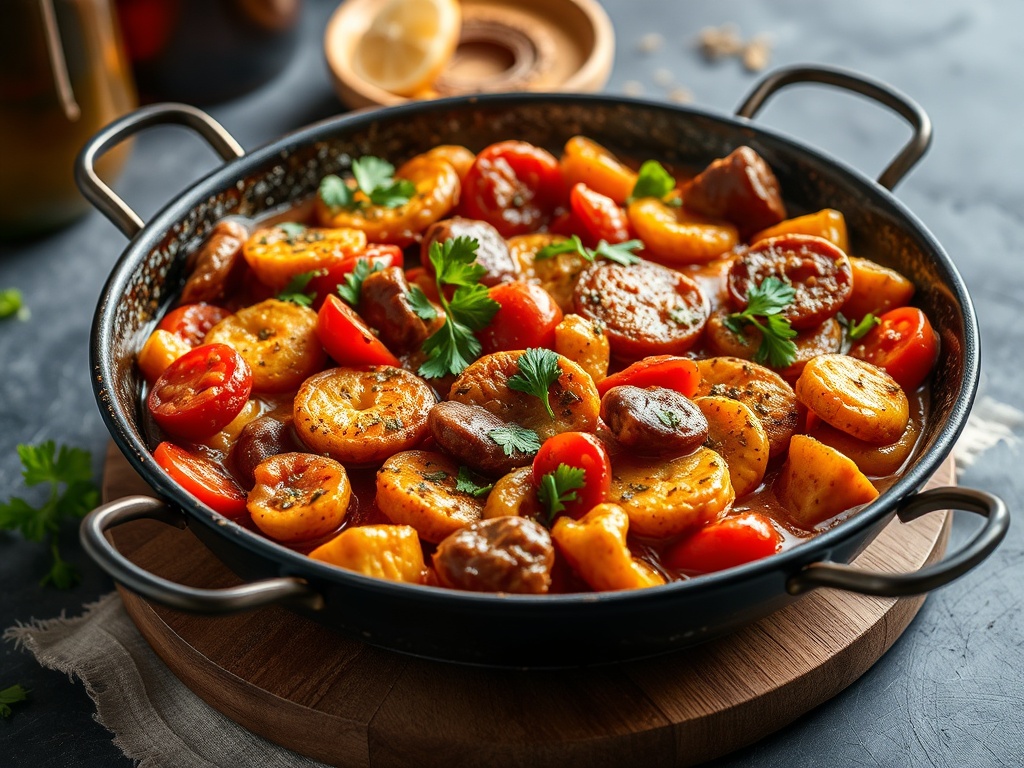
Spanish Paella: The Complete Beginner's Guide to Mastering Spain's Iconic Dish
Paella, the vibrant, aromatic rice dish hailing from Spain's sunny shores, is more than just a meal; it's a celebration of Spanish culture and culinary tradition. With its distinctive golden hue, fragrant saffron, and a delightful mix of fresh ingredients, paella has captured the hearts and palates of food lovers worldwide. Often perceived as complex, the truth is that crafting an authentic paella at home is surprisingly achievable, even for the most novice cook. This complete beginner's guide from Easy European Meals will demystify the process, empowering you to create a show-stopping Spanish paella that tastes like a trip to Valencia. Get ready to embark on a delicious culinary adventure right in your own kitchen!
Understanding the Heart of Paella: Origins and Key Elements
To truly appreciate paella, one must understand its humble beginnings in the sun-drenched region of Valencia, Spain. Originally a farmer's dish cooked over an open fire in the fields, it combined rice with whatever ingredients were readily available, often rabbit, chicken, and local vegetables like green beans and garrofó beans. The word "paella" itself refers to the wide, shallow, two-handled pan in which it's traditionally cooked, not the dish itself – a crucial distinction for purists and a point of pride for Valencians! The heart of any great paella lies in its rice. Short-grain, absorbent varieties like Bomba or Calasparra are paramount, as they soak up the rich broth and flavors without becoming mushy or sticky, maintaining their individual integrity. Equally important is the "socarrat" – the coveted crispy, caramelized layer of rice that forms at the very bottom of the pan. Achieving this golden, slightly chewy crust is a mark of a well-made paella and provides a delightful textural contrast to the tender, flavorful rice above. Mastering these foundational elements is your first step towards paella perfection, ensuring an authentic experience.
Essential Ingredients for Your First Paella
Embarking on your paella journey requires selecting the right ingredients, which are surprisingly simple yet crucial for authentic flavor. Forget exotic, hard-to-find items; the magic lies in quality and balance. The foundation is always a good quality Spanish short-grain rice, such as Bomba or Calasparra, known for its exceptional ability to absorb liquid and flavor without clumping, remaining distinct yet tender. Saffron threads are non-negotiable; these precious stigmas from the crocus flower impart paella's signature golden color and subtle, earthy-floral aroma that is impossible to replicate with any substitute. A robust, high-quality chicken or vegetable broth will elevate your dish significantly, far surpassing store-bought alternatives in depth and richness. Good quality extra virgin olive oil forms the essential base, crucial for building the foundational sofrito and sautéing your chosen proteins. Finally, the fresh, vibrant ingredients you choose, whether succulent seafood, tender chicken, or crisp vegetables, will define the character of your paella. Investing in quality for these core components ensures your paella will sing with authentic Spanish flavor.
- Bomba or Calasparra Rice: The star of the dish, these Spanish short-grain varieties absorb liquid beautifully, expanding without breaking or becoming sticky, ensuring a perfectly textured paella.
- Saffron Threads: Essential for paella's distinctive golden hue and its delicate, unique aroma. Steep a pinch in warm broth before adding for maximum impact.
- High-Quality Broth: Whether chicken, vegetable, or fish, a well-flavored, ideally homemade broth is critical for infusing the rice with deep, savory notes.
- Fresh, Quality Proteins & Vegetables: Depending on your paella type, select the freshest chicken, rabbit, seafood (prawns, mussels, squid), or seasonal vegetables (bell peppers, green beans, artichokes) for superior taste and texture.
The Step-by-Step Method: Building Your Paella Foundation
Creating paella is a layered process, where each step builds upon the last to develop complex, harmonious flavors. Begin by preparing your sofrito, the aromatic base of finely chopped onions, garlic, and grated ripe tomatoes, slowly cooked in a generous amount of good quality olive oil until deeply caramelized and jammy. This foundational mixture is absolutely key to paella's rich, savory taste. Once the sofrito is ready and fragrant, add your chosen protein – perhaps bite-sized pieces of chicken and rabbit for a traditional Valencian paella, or shrimp and mussels for a delightful seafood version – browning them gently to seal in their juices and develop a deeper flavor. Next, introduce the Spanish rice, toasting it gently in the pan for a minute or two, stirring constantly to allow each grain to be thoroughly coated in the flavorful oils and sofrito. This crucial step, known as "nacarado," helps the rice maintain its structure and prevents it from becoming mushy. Finally, pour in the hot broth, infused with saffron, ensuring it covers the rice and ingredients evenly. From this point forward, resist the urge to stir excessively; this is where the magic of the socarrat begins to form.
Cooking Paella to Perfection: The Art of Simmer and Socarrat
The true art of cooking paella lies in mastering the gentle simmer and achieving that coveted, crispy socarrat. Once the hot, saffron-infused broth is added to the pan, bring the paella to a robust, rolling boil for about 10 minutes over medium-high heat. This initial vigorous cooking allows the liquid to reduce quickly, concentrating the flavors and starting the cooking process for the rice. After this initial boil, reduce the heat to low or medium-low, depending on your stove, and let it gently simmer for another 10-15 minutes, or until most of the liquid has been absorbed by the rice and the grains are tender but still have a slight bite. Crucially, do not stir the rice during this stage. Stirring releases starch, which can make the paella gummy and prevent the formation of the glorious socarrat. In the final few minutes, once the liquid is almost gone, increase the heat slightly for about 1-2 minutes to encourage that crispy, caramelized crust to form at the bottom of the pan. Listen for a gentle crackling sound and smell a toasted aroma – that’s your socarrat developing! Remove from heat, cover the paella loosely with foil or a clean kitchen towel, and let it rest for 5-10 minutes before serving. This resting period allows the flavors to meld further and the rice to finish cooking perfectly.
Variations and Serving Suggestions: Beyond the Classic
While the classic Paella Valenciana, with its combination of chicken, rabbit, and local beans, is a revered masterpiece, the true beauty of paella lies in its incredible versatility, allowing for endless delicious variations to suit every palate. For seafood lovers, Paella de Marisco (Seafood Paella) is an absolute must-try, featuring an array of fresh prawns, succulent mussels, tender squid, and sweet clams, all cooked in a rich, aromatic fish broth. For those who can't decide between land and sea, Paella Mixta beautifully combines the best of both worlds, blending chicken, pork, and various seafood into one harmonious dish. Vegetarians need not feel left out; Paella de Verduras (Vegetable Paella) is a vibrant and incredibly flavorful option, packed with seasonal vegetables like artichokes, tender asparagus, colorful bell peppers, green beans, and even mushrooms, cooked in a robust vegetable broth. No matter the variation you choose, the core paella cooking technique remains essentially the same. When serving, paella is traditionally brought directly to the table in its iconic paella pan, placed in the center for everyone to gather around and share. Garnish with fresh lemon wedges, which offer a bright, zesty counterpoint, and a sprinkle of freshly chopped parsley for freshness. It’s a communal dish, perfect for sharing with family and friends, truly embodying the warm, convivial spirit of Spanish dining and creating unforgettable memories.
Conclusion
Embarking on your paella-making adventure is a delightful culinary journey that connects you directly to the heart of Spain. From understanding its rich Valencian origins and selecting the finest, freshest ingredients to mastering the delicate art of the sofrito and achieving that coveted socarrat, you now possess the knowledge and confidence to create an authentic and truly delicious Spanish paella. Remember, paella is more than just a dish; it's an experience meant to be shared, a vibrant centerpiece that brings people together around a table. Don't be intimidated; embrace the process, experiment with fresh, local ingredients, and savor the rich, layered flavors you've created. So, grab your paella pan, gather your loved ones, and bring a taste of sunny Spain to your kitchen today. For more easy European recipes and cooking tips, visit Easy European Meals and continue your culinary explorations!
Commentaires
Enregistrer un commentaire