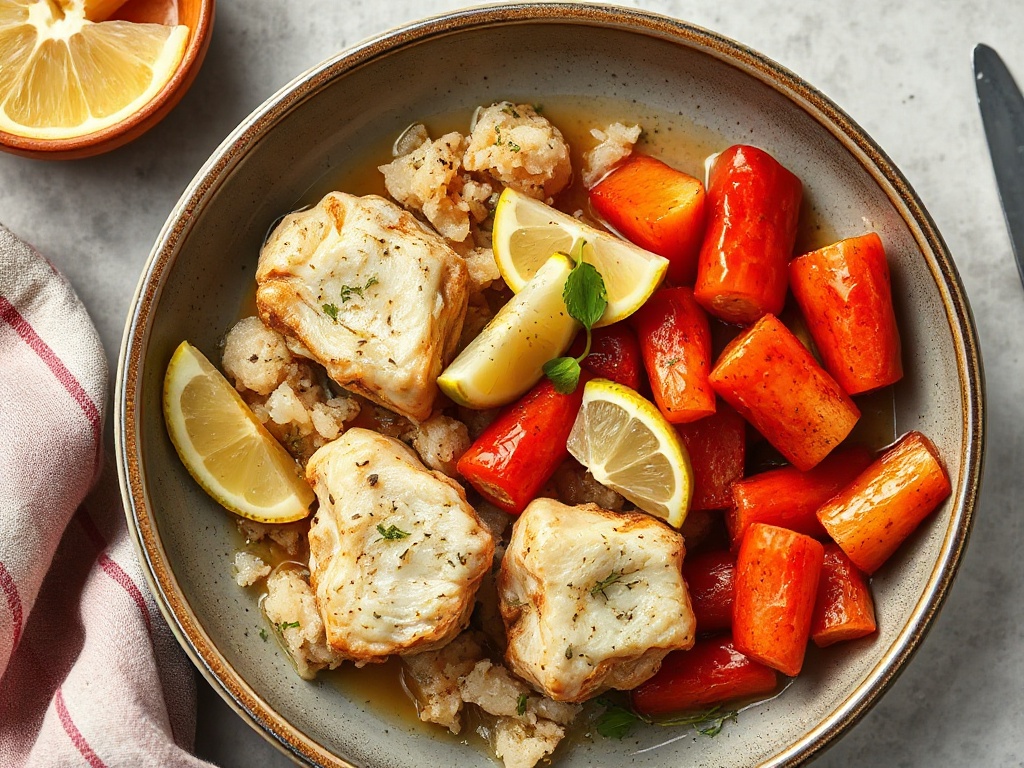
Savor the Sea: Exploring Easy Portuguese Bacalhau Salt Cod Recipes
Portugal, a nation with an unrivaled maritime history, boasts a culinary landscape deeply influenced by its relationship with the ocean. Among its most iconic and beloved ingredients is bacalhau, or salt cod. Far from being just a fish, bacalhau is a cultural cornerstone, a symbol of Portuguese identity, and a staple found on tables from bustling Lisbon eateries to quiet family homes in the Alentejo. For many, the idea of cooking with salt cod might seem daunting, conjuring images of complex preparations. However, fear not! Easy European Meals is here to demystify this incredible ingredient, guiding you through simple yet authentic Portuguese bacalhau recipes that bring the rich flavors of the Atlantic right to your kitchen, proving that delicious European cuisine can be both accessible and incredibly rewarding.
The Enduring Legacy of Bacalhau in Portuguese Cuisine
The story of bacalhau in Portugal is one of fascinating paradox and enduring tradition. Despite Portugal's vast coastline, the cold-water codfish (Gadus morhua) that produces bacalhau is not native to its waters. Instead, it was discovered by Portuguese navigators exploring the North Atlantic in the 15th century. The ingenious method of salting and drying cod allowed for its preservation, making it an invaluable food source for long voyages and, crucially, for inland communities far from the sea. This preservation technique transformed a simple fish into a versatile ingredient that could be stored for extended periods without refrigeration, making it accessible to all social strata and solidifying its place in the national diet. Over centuries, bacalhau became intertwined with Portuguese culture, tradition, and even religious observances, particularly during Lent when meat was forbidden. It's often said there are more bacalhau recipes than days in the year, a testament to its incredible adaptability and the Portuguese people's culinary creativity. From simple grilled preparations to elaborate festive dishes, bacalhau remains at the heart of Portuguese gastronomy, a delicious link to its rich history and a testament to its ingenious culinary heritage. Understanding its journey from a preserved staple to a national treasure truly enhances the appreciation of every bite.
Mastering the Art of Desalting Bacalhau for Perfect Results
Before you can embark on your delicious bacalhau cooking adventure, there's one crucial step that cannot be overlooked: desalting the cod. This process is fundamental, transforming the rigid, intensely salty dried fish into tender, flavorful flakes ready for culinary magic. Proper desalting ensures your final dish is perfectly balanced, avoiding an overpowering saltiness that would mask the delicate flavors of the cod itself. While it requires patience and a bit of foresight, the process is straightforward and well worth the effort. Think of it as an essential preliminary step, much like preparing fresh pasta or curing olives. The goal is to rehydrate the fish while gradually drawing out the excess salt, leaving just enough to enhance its natural taste. The thickness of your bacalhau pieces will dictate the desalting time, with thicker cuts needing longer soaks. By following these simple guidelines, you'll unlock the true potential of this magnificent ingredient, setting the stage for authentic and incredibly tasty Portuguese meals. Don't rush this stage; it's the foundation of every great bacalhau dish.
- Choose the Right Cut: Bacalhau comes in various cuts, from thick loins (lombos) to thinner pieces (postas) or shredded (desfiado). Thicker cuts require longer desalting times, typically 48-72 hours, while thinner pieces might only need 24-36 hours. Ensure you have the appropriate cut for your chosen recipe.
- Cold Water Immersion: Place the bacalhau, skin-side up (if applicable), in a large bowl or container. Cover it completely with plenty of very cold water. The cold water helps to slowly extract the salt without cooking the fish. Avoid using warm water, as this can prematurely cook the fish and alter its texture.
- Frequent Water Changes: This is the most critical step. Change the water every 6-8 hours, or at least 2-3 times a day. Each time you change the water, gently rinse the bacalhau under cold running water to remove any surface salt. Fresh water constantly pulls more salt from the fish.
- Refrigerate and Test: Always keep the bacalhau submerged in water in the refrigerator throughout the desalting process. This prevents spoilage. Before cooking, tear off a small piece and taste it. It should be pleasantly salty, not overwhelmingly so. If it's still too salty, continue soaking for a few more hours, changing the water once more.
Bacalhau à Brás: A Beloved Classic Made Easy
Bacalhau à Brás stands as one of Portugal's most universally adored bacalhau dishes, celebrated for its comforting simplicity and incredible flavor profile. This iconic recipe, believed to have originated in a tavern in Lisbon run by a chef named Brás, perfectly exemplifies how humble ingredients can combine to create something truly extraordinary. It's a fantastic entry point for anyone new to cooking with bacalhau, offering a delightful balance of textures and tastes that appeal to nearly every palate. The beauty of Bacalhau à Brás lies in its quick preparation once the cod is desalted, making it an ideal weeknight meal or a crowd-pleasing dish for casual entertaining. It masterfully blends shredded salt cod with thinly fried potato sticks, sautéed onions, and scrambled eggs, all brought together with a generous drizzle of olive oil. The result is a wonderfully moist and savory scramble, often garnished with fresh parsley and black olives, adding a burst of freshness and a briny counterpoint. Each spoonful offers a harmonious blend of tender cod, crispy potatoes, and creamy egg, creating a deeply satisfying experience. This dish is not just food; it's a warm embrace, a taste of authentic Portuguese comfort that is surprisingly easy to achieve in your own kitchen. Serve it immediately, allowing the aromas to fill your home with the essence of Portuguese cooking.
Bacalhau com Natas: Creamy Comfort in Every Bite
For those who appreciate rich, creamy textures and deeply satisfying flavors, Bacalhau com Natas (Cod with Cream) is an absolute must-try. This beloved Portuguese casserole is a true testament to the versatility of bacalhau, transforming it into a luxurious and incredibly comforting dish that’s perfect for family gatherings or a special weekend meal. It’s a dish that embodies warmth and indulgence, making it a firm favorite across Portugal and beyond. The preparation involves layering tender, flaked bacalhau with crispy fried potato cubes, sautéed onions, and a luscious, creamy béchamel sauce often enriched with more cream. The entire concoction is then baked until golden brown and bubbly, creating an irresistible aroma that promises a memorable culinary experience. The interplay of textures is key here: the softness of the cod, the slight crispness of the potatoes, and the velvety smoothness of the sauce create a symphony on the palate. While it sounds decadent, the flavors remain balanced, allowing the natural sweetness of the cod and onions to shine through. Bacalhau com Natas is more than just a meal; it's an experience, offering a hearty and satisfying embrace of Portuguese comfort food. Pair it with a simple green salad to cut through the richness, and prepare to be utterly charmed by this easy yet elegant European recipe.
Beyond the Classics: Exploring Other Easy Bacalhau Ideas
While Bacalhau à Brás and Bacalhau com Natas are undeniably iconic and fantastic starting points, the world of Portuguese bacalhau recipes extends far beyond these beloved classics, offering a myriad of other easy and delicious preparations. Once you've mastered desalting, the possibilities for incorporating this versatile ingredient into your cooking are virtually limitless, showcasing the incredible depth of Portuguese and Mediterranean cuisine. Consider Bacalhau à Lagareiro, a wonderfully rustic dish where large pieces of desalted cod are roasted in the oven with plenty of garlic-infused olive oil and "batatas a murro" (punched potatoes), which are boiled then lightly crushed and roasted until golden. The simplicity of this preparation allows the quality of the ingredients to truly shine, resulting in a robust and flavorful meal. Another approachable option is Bacalhau Assado no Forno, a straightforward baked bacalhau often prepared with sliced onions, bell peppers, and tomatoes, creating a vibrant and lighter option that's bursting with fresh Mediterranean flavors. For a delightful appetizer or snack, Pastéis de Bacalhau (codfish cakes) are small, savory fritters made from a mixture of shredded cod, mashed potatoes, onion, and parsley, then deep-fried until golden and crispy. While perhaps a tiny bit more involved than a simple scramble, they are incredibly rewarding and a staple at any Portuguese celebration. Exploring these variations not only expands your culinary repertoire but also deepens your appreciation for the ingenuity and deliciousness of Portuguese cooking, proving that bacalhau can truly be enjoyed in countless easy and delightful ways.
Conclusion
From its storied past as a preserved staple for intrepid navigators to its current status as a national culinary icon, Portuguese bacalhau holds a unique and revered place in the heart of European cuisine. We've journeyed through the essential art of desalting, a crucial step that unlocks its incredible flavor, and explored easy-to-follow recipes like the comforting Bacalhau à Brás and the creamy indulgence of Bacalhau com Natas. These dishes, along with other simple preparations, demonstrate that cooking with salt cod doesn't have to be intimidating; it can be an accessible and immensely rewarding experience. By embracing bacalhau, you're not just preparing a meal; you're connecting with centuries of culinary tradition and bringing a taste of authentic Portugal to your table. So, don't hesitate to embark on your own bacalhau adventure. Explore more Easy European Meals recipes, share your delicious creations, and continue to dive deeper into the rich, diverse, and utterly delightful tapestry of European cuisine!