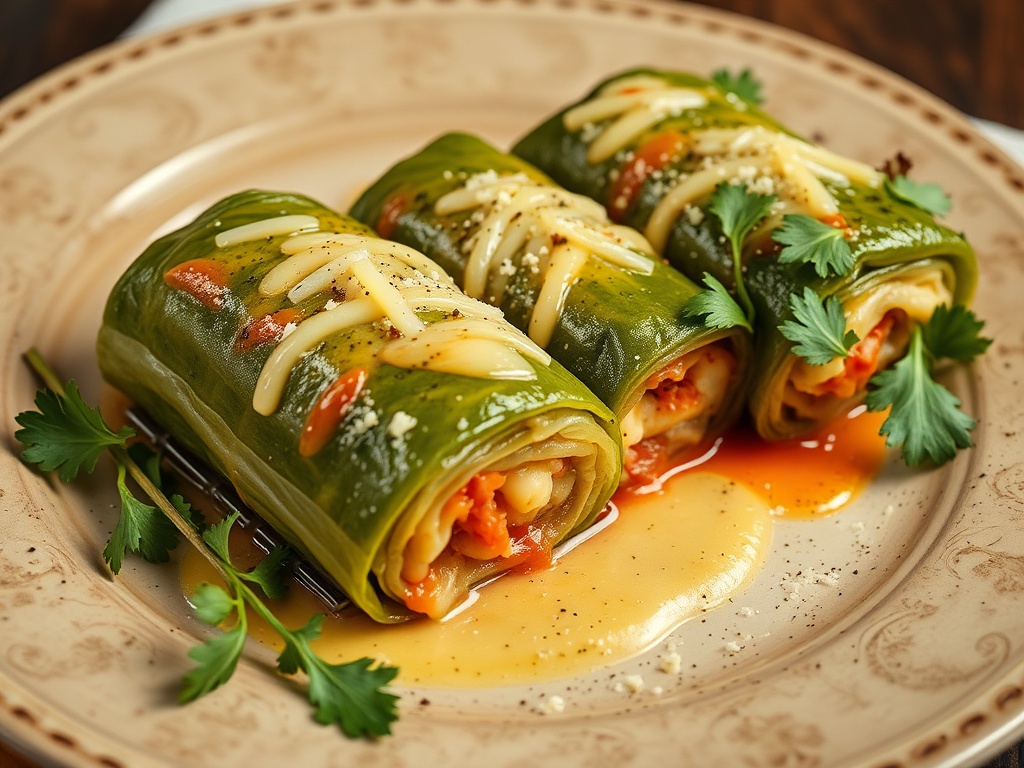
Romanian Sarmale: The Ultimate Stuffed Cabbage Rolls for Your European Table
Embark on a culinary journey to the heart of Eastern Europe with one of Romania's most beloved and iconic dishes: Sarmale. These delectable stuffed cabbage rolls are a testament to comforting, slow-cooked perfection, embodying the warmth of Romanian hospitality and the richness of its culinary heritage. Often gracing festive tables and family gatherings, Sarmale are more than just a meal; they're a celebration of tradition, flavor, and togetherness. At Easy European Meals, we believe that authentic European cuisine, from French and Italian classics to Spanish tapas and Mediterranean delights, should be accessible and enjoyable for every home cook. Join us as we unravel the secrets to crafting these savory parcels, proving that even a dish as storied as Sarmale can be an easy and rewarding addition to your recipe repertoire.
The Heart of Romanian Hospitality: What Makes Sarmale Special?
Sarmale are, without a doubt, the quintessential dish of Romanian cuisine, a culinary cornerstone that resonates with profound cultural significance. Imagine succulent minced pork (though beef, veal, or a mix are also common), fragrant rice, and aromatic herbs meticulously wrapped in tender, pickled cabbage leaves, then slow-cooked to perfection in a rich, tangy sauce. This isn't just food; it's an experience, a symbol of family, tradition, and joyous celebration. Whether it's Christmas, Easter, New Year's Eve, or a simple Sunday lunch, Sarmale inevitably takes center stage, its mere presence evoking a sense of warmth and belonging. The magic lies in the slow cooking process, which allows the flavors to meld and deepen, transforming humble ingredients into a dish of extraordinary depth and comfort. Each bite offers a harmonious balance of savory meat, slightly tart cabbage, and a subtle sweetness from the cooking liquid, making it an irresistible highlight of any European meal.
A Culinary Journey: Tracing the Origins and Variations of Stuffed Cabbage
While Sarmale holds a special place in Romanian hearts, the concept of stuffed cabbage rolls boasts a fascinating and extensive history, with roots stretching across Eastern Europe, the Balkans, and even into the Middle East. This beloved dish is a testament to culinary exchange and adaptation, often attributed to the Ottoman Empire's influence, where "dolma" (stuffed vegetables) traditions flourished. The idea of wrapping a savory filling in leaves was a practical and delicious way to prepare meals with readily available ingredients. Over centuries, various cultures embraced and localized the concept, leading to a rich tapestry of stuffed cabbage variations, each reflecting regional tastes and available produce. This widespread popularity underscores the universal appeal of comfort food, proving that a simple, hearty dish can transcend borders and become a cherished part of diverse culinary landscapes.
- Turkish Dolma: Often made with vine leaves (sarma means "to wrap" in Turkish) or various vegetables, with fillings that can be meat-based or vegetarian (rice, herbs, pine nuts, currants).
- Polish Gołąbki: Typically featuring fresh cabbage leaves, a filling of ground meat (pork, beef, or a mix) and rice, simmered in a tomato-based sauce.
- Hungarian Töltött Káposzta: Similar to Romanian Sarmale, often using sauerkraut and smoked meat, with a richer, often paprika-infused sauce.
- Scandinavian Kåldolmar: A sweeter version, sometimes including lingonberry jam, reflecting the regional culinary preferences and influences from Swedish history.
Mastering the Art of Sarmale: A Step-by-Step Guide for Home Cooks
Creating authentic Romanian Sarmale might seem daunting at first glance, but with a clear, step-by-step approach, it transforms into an incredibly rewarding cooking experience perfect for any home chef looking to expand their European recipe repertoire. The secret to an easy Sarmale recipe lies in preparation and patience, allowing the slow cooking to do most of the work. Begin by carefully separating the leaves of a pickled cabbage head; if using fresh cabbage, blanch them until pliable. For the filling, combine ground pork (or your preferred mix), parboiled rice, finely chopped onions, and a generous seasoning of salt, pepper, and dried thyme, sometimes a touch of paprika. The magic happens in the rolling: place a spoonful of filling near the stem end of a cabbage leaf, fold in the sides, and roll tightly into a neat parcel. Layering is crucial for flavor and even cooking; start with a bed of shredded cabbage and smoked bacon at the bottom of a large pot, arrange the Sarmale snugly, add more shredded cabbage, and cover with a liquid typically made from tomato juice, water, or even a bit of borș (fermented wheat bran liquid for tang). Simmer on low heat for several hours, allowing the flavors to deepen and the cabbage to become incredibly tender. This slow process ensures each Sarmale is bursting with savory goodness, making it an ideal easy European meal that tastes like it came straight from a Romanian grandmother's kitchen.
The Perfect Pairing: What to Serve with Your Authentic Sarmale
Serving Romanian Sarmale is an art form in itself, and the traditional accompaniments are just as integral to the experience as the dish itself. To truly appreciate the rich, complex flavors of these stuffed cabbage rolls, consider pairing them with elements that complement their savory depth and tangy notes. The most classic accompaniment is undoubtedly mămăligă, a creamy, golden cornmeal porridge similar to Italian polenta. Its mild flavor and soft texture provide a wonderful contrast to the robust Sarmale, acting as a perfect canvas to soak up the delicious sauce. Another essential is a dollop of fresh smântână, Romania's rich and tangy sour cream, which adds a refreshing creaminess that cuts through the richness of the meat and balances the tartness of the pickled cabbage. For those who enjoy a little heat, a side of hot peppers (ardei iuți) is a must, offering a delightful kick that awakens the palate. To complete your authentic European meal, consider a glass of dry red Romanian wine, such as a Fetească Neagră, which pairs beautifully with the hearty flavors. Alternatively, a shot of traditional țuică (plum brandy) before the meal is a common Romanian custom, believed to stimulate the appetite. These pairings elevate the Sarmale from a mere dish to a full, immersive culinary experience, reflecting the generous spirit of European dining.
Beyond the Classic: Creative Twists and Modern Takes on Sarmale
While the classic Romanian Sarmale recipe is deeply cherished, its versatility allows for exciting creative twists and modern adaptations, making it an even more accessible and personalized easy European meal. For those looking to experiment, consider varying the meat in the filling; a mix of beef and pork offers a richer flavor, while ground chicken or turkey can make for a lighter alternative without sacrificing taste. Vegetarian and vegan versions are increasingly popular, replacing meat with hearty mushrooms, lentils, rice, and finely chopped vegetables, seasoned with plenty of smoked paprika for depth. The choice of cabbage also offers flexibility: while pickled cabbage is traditional for its tangy zest, fresh blanched cabbage leaves can be used, requiring a slightly longer cooking time and perhaps a touch more acidity in the sauce. Modern cooking techniques also come into play; for busy weeknights, an Instant Pot or slow cooker can dramatically reduce cooking time while still achieving that fall-apart tender perfection. Experiment with different herbs like dill or parsley, or add a smoky note with a hint of liquid smoke or smoked paprika in the filling. The sauce itself can be customized with different tomato bases, a splash of red wine, or even a touch of sweetness from grated carrots. These adaptations prove that while tradition is valued, Sarmale remains a dynamic dish, open to contemporary interpretations that cater to diverse tastes and dietary preferences, continuing its legacy as a beloved and adaptable European culinary treasure.
Conclusion
Romanian Sarmale stuffed cabbage rolls stand as a heartwarming testament to the enduring appeal of traditional European cuisine. More than just an easy European meal, they represent a rich tapestry of history, culture, and communal joy, embodying the very essence of comfort food. From the tangy embrace of pickled cabbage to the savory depth of its slow-cooked filling, each parcel tells a story of generations gathering around a shared table. Whether you're a seasoned chef or just beginning your culinary journey with Easy European Meals, mastering Sarmale is a rewarding experience that connects you to the vibrant flavors of Eastern Europe. We encourage you to embrace the process, savor the aromas, and share this magnificent dish with your loved ones. Explore the delicious world of European cooking, from French and Italian classics to Spanish tapas and Mediterranean delights, and let Sarmale be your next unforgettable culinary adventure. Discover more easy recipes and authentic flavors at Easy European Meals!
<!--
Commentaires
Enregistrer un commentaire