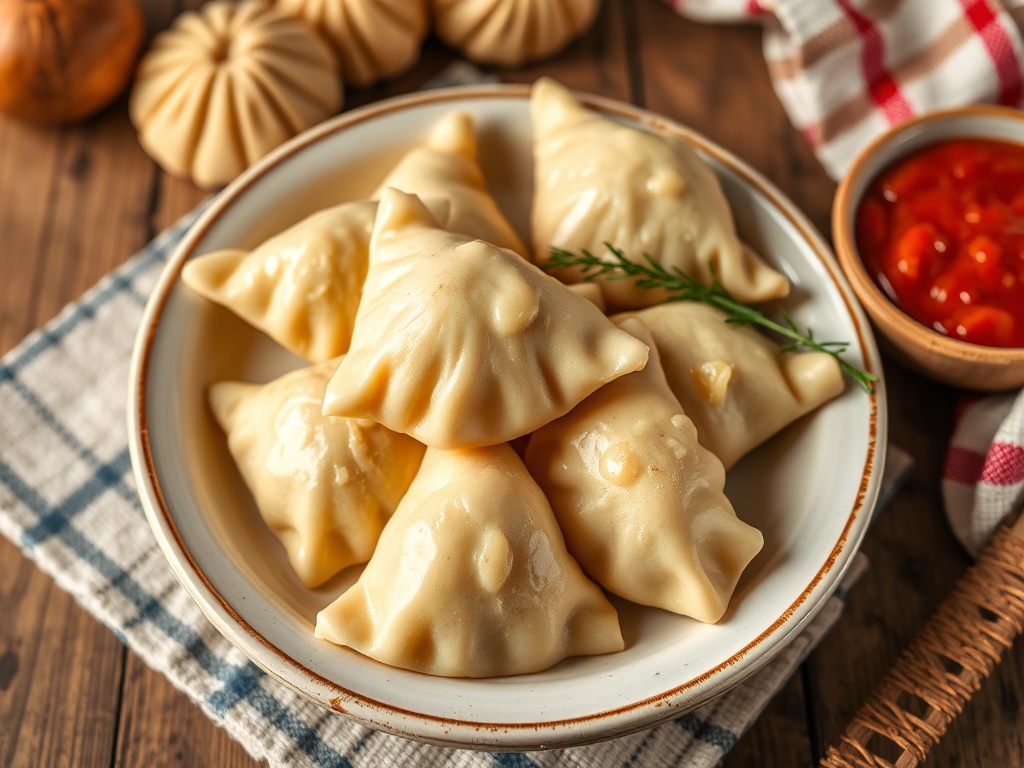
Polish Pierogi: The Ultimate Guide to Traditional Dumplings
Embark on a culinary journey to the heart of Eastern Europe with one of Poland's most cherished and iconic dishes: pierogi. These delightful, crescent-shaped dumplings, filled with an array of savory or sweet ingredients, have captivated palates for centuries. More than just a meal, pierogi represent comfort, tradition, and the warmth of Polish hospitality. Whether you're a seasoned chef or a curious home cook eager to explore the rich tapestry of European cuisine, understanding the art of pierogi-making is a rewarding experience. From their humble origins to their versatile fillings and perfect preparation, we're diving deep into what makes these traditional Polish dumplings an enduring favorite across the globe.
A Rich History: The Journey of Pierogi Through Time
The story of pierogi is as rich and comforting as the dumplings themselves, tracing its roots back to medieval times. While their exact origin is debated, with some theories pointing to China via the Silk Road and others to medieval Italy, pierogi undoubtedly found their true home and identity in Poland and other Eastern European countries. Legend has it that Saint Hyacinth of Poland introduced pierogi to the region in the 13th century, after the Tatars invaded and destroyed crops, leaving the people with little to eat. He supposedly prayed, and a miraculous harvest followed, from which the first pierogi were made. Regardless of their precise inception, these dumplings quickly became a staple, deeply woven into the fabric of Polish culture, celebrated during holidays, family gatherings, and everyday meals. They even have a Polish saying: "Co za pierogi!" (Oh, what pierogi!) which is an exclamation of delight or surprise, much like "Oh my goodness!"
The Art of the Dough: A Recipe for Perfection
The foundation of any great pierog is its dough – a simple yet crucial element that determines the dumpling's texture and overall appeal. Achieving a tender, pliable, and easy-to-work-with dough is key to creating perfect pierogi. While the ingredients are minimal, the technique is paramount. The ideal pierogi dough should be soft enough to roll thin without tearing, yet sturdy enough to hold its filling and withstand boiling. It’s a delicate balance that comes with practice, but understanding the basic principles will set you on the path to success. The quality of your flour, the temperature of your water, and the thoroughness of your kneading all play vital roles in developing the gluten structure that gives the dough its characteristic elasticity. A well-rested dough is also essential, allowing the gluten to relax and making it much easier to roll out evenly.
- **All-Purpose Flour:** Use a good quality all-purpose flour for the best balance of protein and starch, ensuring a tender yet robust dough.
- **Warm Water or Milk:** Opt for warm water or a mix of water and milk; warmth helps activate the gluten and makes the dough more pliable.
- **Egg (Optional):** Some recipes include an egg for added richness and a slightly firmer texture, while others stick to a simple flour and water base.
- **Thorough Kneading and Resting:** Knead the dough until smooth and elastic, then let it rest for at least 30 minutes, covered, to relax the gluten before rolling.
A World of Fillings: From Savory Classics to Sweet Delights
One of the most captivating aspects of pierogi is the incredible versatility of their fillings. This is where Polish culinary creativity truly shines, offering an astonishing array of options that cater to every taste and season. Traditionally, fillings are categorized into savory and sweet, each with its own beloved variations. The most iconic savory filling is undoubtedly "pierogi ruskie" (Ruthenian pierogi), a delectable blend of mashed potatoes, farmer's cheese (twaróg), and sautéed onions – a true comfort food staple. Other popular savory choices include kapusta z grzybami (sauerkraut and mushroom), often served during Wigilia (Christmas Eve), or fillings with seasoned ground meat (pork or beef), and even spinach and feta for a modern twist. Sweet pierogi, often enjoyed as a dessert or a light meal, feature seasonal fruits like blueberries (pierogi z jagodami), cherries, or strawberries, as well as a sweet farmer's cheese filling, sometimes enhanced with vanilla or lemon zest. The secret to a truly exceptional pierogi lies in the generous and well-seasoned filling, creating a harmonious balance with the delicate dough.
Mastering the Fold: Shaping and Cooking Techniques
Once your dough is perfectly prepared and your fillings are ready, the next step is the art of shaping and cooking the pierogi. This stage is where precision meets patience, transforming simple ingredients into edible works of art. Begin by rolling out your rested dough thinly, typically to about 1/8 inch thickness, ensuring an even consistency across the sheet. Use a round cookie cutter or the rim of a glass to cut out uniform circles, usually 2-3 inches in diameter. Place a spoonful of your chosen filling in the center of each circle, being careful not to overfill. Then, fold the dough over the filling to create a half-moon shape, gently pressing the edges together to seal. For a traditional look and extra security, crimp the edges with your fingers or the tines of a fork. This not only seals the pierogi but also adds a charming, rustic aesthetic. Once shaped, the pierogi are ready for their first cook: boiling. Drop them gently into a large pot of salted boiling water, ensuring not to overcrowd the pot. They are cooked when they float to the surface, typically taking 2-3 minutes. After boiling, many prefer to pan-fry their pierogi in butter until golden brown and slightly crispy, adding another layer of texture and flavor that is simply irresistible.
Serving Suggestions and Modern Twists
Traditional pierogi, fresh from the pot or pan, are often served simply, allowing the rich flavors of the dough and filling to shine. The most classic accompaniments include a generous dollop of cool sour cream (śmietana), crispy fried onions, or savory bacon bits (skwarki) rendered until perfectly golden. A drizzle of melted butter is also a non-negotiable for many, adding a luxurious richness that elevates every bite. For sweet pierogi, a sprinkle of sugar, a touch of cinnamon, or a dollop of sweetened cream makes for a delightful finish. While tradition holds strong, modern culinary trends have inspired exciting new takes on pierogi. Chefs are experimenting with fusion fillings, incorporating international flavors like spicy chorizo, goat cheese and sun-dried tomatoes, or even sweet potato and kale. The toppings, too, have evolved, with options ranging from fresh herb pestos to balsamic glazes. Pierogi are also fantastic for meal prepping; they freeze beautifully, allowing you to enjoy a taste of Poland whenever the craving strikes. They pair wonderfully with other Polish staples like a hearty bowl of borscht or a side of smoked kielbasa, making them a versatile centerpiece for any European-inspired meal.
Conclusion
From their humble beginnings to their place as a beloved symbol of Polish culinary heritage, pierogi offer a truly comforting and versatile dining experience. These traditional dumplings, whether savory or sweet, embody the essence of home cooking and shared meals, making them a perfect addition to any exploration of European cuisine. The journey of making pierogi, from crafting the perfect dough to mastering the fold and choosing delightful fillings, is a rewarding one that connects you directly to centuries of tradition. Whether you stick to the time-honored potato and cheese or venture into more contemporary creations, pierogi are a testament to simple ingredients transforming into something truly extraordinary. We encourage you to try your hand at making these delicious dumplings or seek them out at your local Polish deli or restaurant. Dive deeper into the delightful world of European flavors and find more easy, authentic recipes on Easy European Meals today!
Commentaires
Enregistrer un commentaire