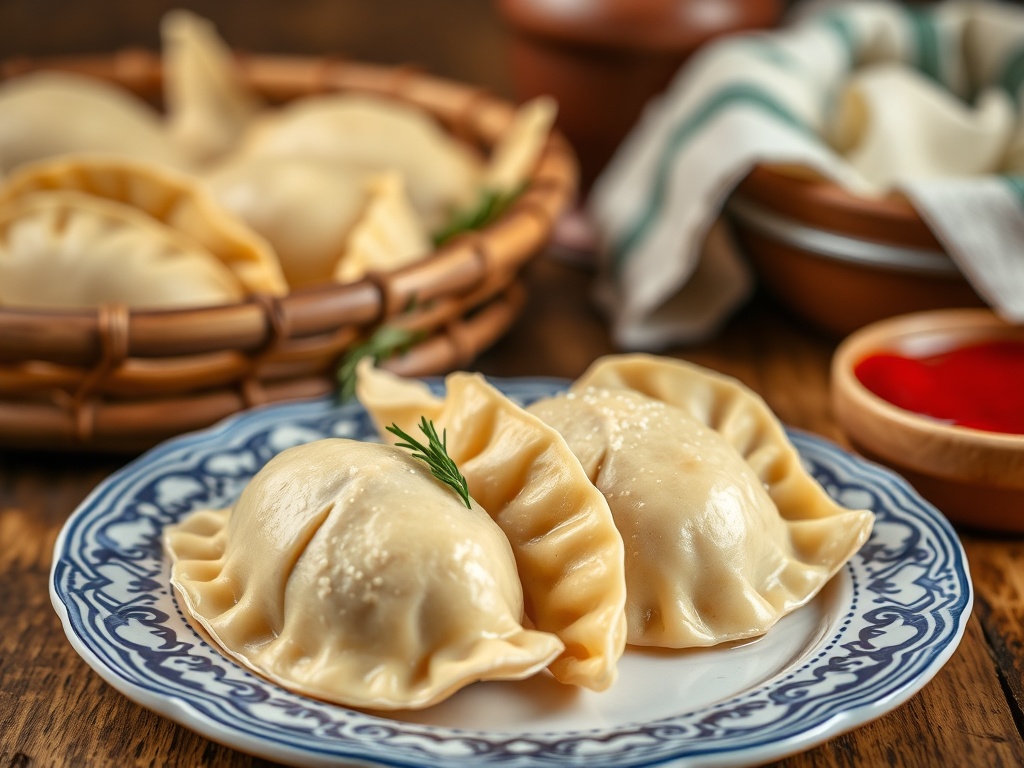
Polish Pierogi: Traditional Dumplings You Must Try
Embark on a delightful culinary journey to the heart of Poland with one of its most cherished and iconic dishes: pierogi. These humble yet incredibly versatile dumplings are more than just food; they are a symbol of Polish hospitality, tradition, and comfort. Whether filled with savory potatoes and cheese, hearty meats, tangy sauerkraut, or sweet seasonal fruits, pierogi offer a taste experience that transcends generations. This article from Easy European Meals will guide you through the fascinating history, diverse fillings, and step-by-step process of crafting these traditional dumplings right in your own kitchen, inviting you to discover the magic of Polish cooking.
A Culinary Journey Through Time: The Rich History of Pierogi
The origins of pierogi, much like many beloved comfort foods, are steeped in a blend of folklore and historical migration. While often considered quintessentially Polish, the concept of filled dumplings has roots stretching across Central and Eastern Europe, and even further east into Asia. Some culinary historians suggest that pierogi were introduced to Poland from the East, possibly via Ruthenia (modern-day Ukraine and Belarus), during the 13th century. Legend has it that Saint Hyacinth of Poland brought pierogi to Krakow after visiting Kyiv, where he encountered these delectable parcels. He is said to have fed the hungry with pierogi during a famine, solidifying their place in Polish hearts and kitchens.
Initially, pierogi were often reserved for special occasions and holidays, with specific fillings corresponding to different celebrations. For instance, meat-filled pierogi were popular during winter festivals, while fruit pierogi were a summer delight. Over centuries, they transitioned from a festive treat to an everyday staple, evolving with regional ingredients and tastes. The name "pierogi" itself is the plural form of "pieróg," a diminutive of "pir," an Old Slavic word meaning "feast" or "pie." This linguistic connection further emphasizes their historical role as a celebratory dish. Today, pierogi are a testament to Poland's enduring culinary heritage, cherished for their adaptability and the warmth they bring to any table, a true staple of European cuisine.
A World of Flavor: Exploring Diverse Pierogi Fillings
One of the most captivating aspects of pierogi is their incredible versatility, largely owing to the vast array of fillings they can embrace. From rich and savory to sweet and fruity, there’s a pierogi filling to suit every palate and occasion. The choice of filling often dictates the serving style, transforming the humble dumpling into a hearty main course, a delightful side dish, or even a tempting dessert. Understanding the traditional fillings is key to appreciating the full spectrum of this Polish culinary masterpiece, showcasing the creativity inherent in simple European meals.
- Ruskie (Potato and Cheese): Arguably the most famous and beloved savory pierogi, "Ruskie" pierogi are filled with a creamy mixture of boiled potatoes, farmer's cheese (twaróg), and often caramelized onions. Despite the name, which means "Ruthenian," this filling is a Polish classic, known for its comforting and satisfying taste.
- Kapusta z Grzybami (Sauerkraut and Mushroom): A staple during Christmas Eve (Wigilia) and Lent, this filling combines tangy fermented cabbage with earthy wild mushrooms, typically dried porcini. The robust flavors create a wonderfully aromatic and deeply savory experience, embodying traditional Polish cooking.
- Mięsne (Meat): For those who prefer a heartier option, meat-filled pierogi are a popular choice. The filling usually consists of finely ground cooked beef, pork, or a mixture, often seasoned with onions, garlic, and spices. These are particularly satisfying and make for a substantial meal.
- Owocowe (Sweet Fruit): A summer delight, fruit pierogi are often filled with seasonal berries such as blueberries, cherries, strawberries, or plums. Served with a sprinkle of sugar, a dollop of sour cream, or sweet cream, they transform into a delicious dessert or a sweet breakfast treat, a refreshing departure from savory options.
The Art of the Dough: Crafting Perfect Pierogi from Scratch
The foundation of any exceptional pierogi lies in its dough. A truly great pierogi dough is tender, pliable, and resilient enough to encase the fillings without tearing, yet delicate enough to melt in your mouth. Achieving this balance requires attention to simple ingredients and a bit of technique. The beauty of homemade pierogi is that you have complete control over the texture, ensuring a truly authentic and satisfying experience, a hallmark of traditional European recipes.
The basic ingredients for pierogi dough are remarkably simple: all-purpose flour, warm water (sometimes a mix of water and milk), an egg, and a pinch of salt. Some recipes may also include a touch of oil or butter for added richness and elasticity. The key is to knead the dough until it is smooth, elastic, and no longer sticky. This process develops the gluten, which is crucial for achieving that desirable soft chewiness. After kneading, the dough must be allowed to rest, typically for 20-30 minutes, covered. This resting period allows the gluten to relax, making the dough much easier to roll out thinly without shrinking back, and resulting in a more tender final product. Resist the urge to add too much flour during kneading or rolling, as this can lead to tough pierogi. The goal is a dough that is soft to the touch, yet firm enough to hold its shape. Mastering the dough is the first and most crucial step towards creating perfect homemade Polish pierogi, a skill that translates beautifully to other European dumpling traditions as well.
From Flat to Fantastic: Mastering the Pierogi Filling and Shaping Technique
Once your dough is perfectly rested and your chosen filling is ready, the next exciting step is to transform these components into the iconic half-moon dumplings. This stage requires a bit of patience and practice, but the satisfaction of seeing your handmade pierogi take shape is immensely rewarding. The technique for filling and shaping is consistent regardless of the filling, making it a skill you can easily master for all varieties.
Begin by dividing your rested dough into manageable portions. On a lightly floured surface, roll out one portion of dough very thinly, aiming for a thickness of about 1/8 inch (3-4 mm). The thinner the dough, the more delicate your pierogi will be, but ensure it's not so thin that it tears easily. Use a round cookie cutter, a drinking glass, or even a knife to cut out circles of dough, typically 2-3 inches (5-7.5 cm) in diameter. Re-roll any scraps until all the dough is used. Take one dough circle in your hand or lay it flat on the work surface. Place a small spoonful of your chosen filling in the center of the circle, being careful not to overfill, as this makes sealing difficult. Moisten the edges of the dough circle with a little water using your fingertip – this acts as a glue. Carefully fold the dough over the filling to create a half-moon shape, gently pressing the edges together to seal. For a classic look and extra security, crimp the edges with the tines of a fork. Place the shaped pierogi on a lightly floured surface or baking sheet, ensuring they don't touch each other to prevent sticking. Continue this process until all your dough and filling are used, marveling at the growing collection of these delightful, handcrafted European dumplings.
The Grand Finale: Cooking and Serving Your Homemade Pierogi
With your beautiful, freshly shaped pierogi ready, the final stage is to cook them to perfection and present them with traditional accompaniments. The primary cooking method for pierogi is boiling, which renders them tender and delicious. However, a subsequent pan-frying step is often employed to add a desirable crispy texture and deeper flavor, elevating them beyond simple boiled dumplings, a common practice in many European cuisines.
To boil pierogi, bring a large pot of salted water to a rolling boil. Carefully drop the pierogi into the boiling water, a few at a time, making sure not to overcrowd the pot. They will sink initially. Once they float to the surface, reduce the heat to a gentle simmer and cook for another 2-3 minutes, depending on the thickness of your dough and the type of filling. They should be tender but not mushy. Using a slotted spoon, remove the cooked pierogi from the water and drain them well. At this point, they can be served directly, but for an even more delightful experience, many prefer to pan-fry them. Heat a little butter or oil in a skillet over medium heat. Add the boiled pierogi and fry them until they are golden brown and slightly crispy on both sides. This step adds a wonderful textural contrast and enhances their savory notes.
Traditional toppings vary based on the filling. Savory pierogi are often served with caramelized onions, crispy bacon bits (skwarki), a dollop of cool sour cream (śmietana), or a sprinkle of fresh dill. Sweet pierogi are typically enjoyed with a dusting of powdered sugar, a spoonful of sour cream, or a drizzle of melted butter. Whether as a main course, a side dish, or a sweet treat, homemade pierogi are a truly satisfying and authentic taste of Polish tradition, a wonderful addition to any easy European meal.
Conclusion
Polish pierogi are far more than just dumplings; they are a culinary emblem, a delicious testament to centuries of tradition, family gatherings, and the comforting flavors of Eastern Europe. From their humble beginnings to their diverse fillings and meticulous preparation, each pierogi tells a story of heritage and heartwarming meals. Mastering the art of making pierogi from scratch, from the perfect dough to the ideal filling and cooking technique, is a rewarding experience that connects you directly to the rich tapestry of Polish cuisine. We hope this guide has inspired you to roll up your sleeves and bring the authentic taste of Poland into your kitchen. Explore the joy of these traditional dumplings and discover countless other easy European recipes to expand your culinary horizons at Easy European Meals!
Commentaires
Enregistrer un commentaire