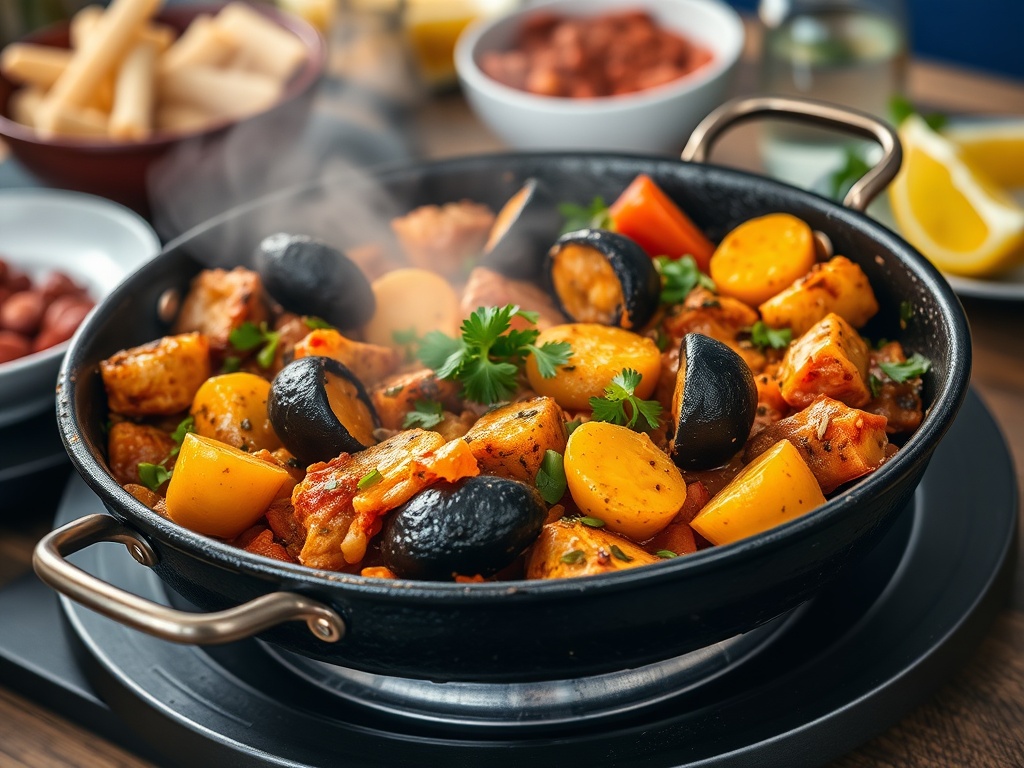
Mastering Spanish Paella: The Ultimate Beginner's Guide to Authentic Flavor
Embark on a culinary adventure to the heart of Spain right from your kitchen! Spanish paella, with its vibrant colors, aromatic saffron, and delightful mix of flavors, is more than just a dish; it's a celebration. While its reputation might seem daunting to a novice cook, creating an authentic paella is surprisingly achievable with the right guidance. Here at Easy European Meals, we believe everyone deserves to experience the joy of preparing and sharing traditional European cuisine. This comprehensive beginner's guide will demystify the art of paella, breaking down each step into simple, manageable instructions, ensuring your first attempt is not just edible, but truly spectacular. Get ready to impress your family and friends with a taste of sunny Spain!
The Heart of Paella: Understanding Its Origins and Varieties
To truly appreciate paella, it's essential to understand its humble beginnings and rich history. Originating in the Valencia region of eastern Spain, paella was traditionally a farmer's lunch, cooked outdoors over an open fire. The word "paella" itself refers to the wide, shallow pan in which it's cooked, rather than the dish itself, emphasizing the importance of this specific cooking vessel. The original Paella Valenciana features local ingredients like rice, rabbit, chicken, green beans, and sometimes snails, flavored with saffron and rosemary. Over time, regional variations emerged, adapting to available ingredients. Paella de Marisco, or seafood paella, is popular along the coast, boasting an array of shrimp, mussels, and calamari. Then there's Paella Mixta, a fusion that combines meats and seafood, often found in tourist areas. While the purists might debate the authenticity of certain ingredients, for a beginner, the key is to grasp the core cooking technique and the philosophy behind it: a single-pan rice dish where ingredients are cooked together, allowing their flavors to meld beautifully. Focus on mastering the basics, and you can then explore the vast world of paella variations with confidence.
Essential Ingredients for Your First Paella
Crafting a truly authentic and delicious paella begins with selecting the right ingredients. While the temptation might be to throw everything into the pan, a beginner's paella benefits from a focused selection of high-quality components. The foundation of any great paella is its rice. You cannot substitute just any rice; short-grain varieties like Bomba or Calasparra are crucial. These Spanish rices absorb liquid evenly without becoming mushy, holding their shape beautifully and providing the perfect texture. Saffron, often called "red gold," is non-negotiable for that characteristic golden hue and delicate floral aroma that defines paella. Don't skimp on this; a small amount goes a long way. Good quality extra virgin olive oil, preferably Spanish, will provide a rich base for your sofrito. A robust, flavorful broth – whether chicken, vegetable, or seafood – is vital, as it's the primary liquid absorbed by the rice, infusing every grain with flavor. Finally, for your first paella, keep your protein simple: chicken thighs and green beans are an excellent, accessible choice that echoes the traditional Valencian style without overwhelming you with too many components. A well-made sofrito of grated tomatoes, garlic, and onion will form the aromatic heart of your dish.
- Bomba or Calasparra rice is a must for its superior absorption and texture.
- Saffron threads are essential for authentic color, aroma, and flavor.
- High-quality Spanish extra virgin olive oil provides a rich, foundational taste.
- A robust, flavorful broth (chicken, vegetable, or seafood) is key to deep flavor.
Choosing Your Paella Pan and Other Tools
The paella pan, or "paellera," is more than just cookware; it's an integral part of the paella-making process and contributes significantly to the dish's success. Its wide, shallow design allows the rice to cook in a single, thin layer, ensuring even cooking and maximizing the surface area for the coveted "socarrat" – the crispy, caramelized crust that forms at the bottom of the pan. When choosing a paellera, consider its size; a 14-inch pan is generally suitable for 2-4 servings, while larger parties will require a bigger pan. Carbon steel pans are traditional and excellent heat conductors, but require seasoning and careful maintenance to prevent rust. Stainless steel options are easier to care for but may not develop socarrat as effectively. Non-stick paella pans are available, though less traditional. Beyond the pan, a few other tools will make your paella journey smoother: a sturdy wooden spoon for stirring the sofrito and distributing ingredients (but remember, minimal stirring once the rice is in!), a grater for preparing fresh tomatoes for the sofrito, and a reliable heat source that can distribute heat evenly across the entire base of your paella pan. A dedicated paella burner is ideal for larger pans, but a large stovetop burner or even an outdoor grill can work for smaller ones. Investing in the right tools sets the stage for a perfect paella experience.
Step-by-Step Guide: Crafting Your First Paella
Now, let's get to the exciting part: cooking! Follow these steps carefully, and you'll be on your way to a delicious paella. First, prepare your sofrito. Heat a generous amount of olive oil in your paella pan over medium heat. Sauté finely chopped onion until translucent, then add minced garlic and cook for another minute until fragrant. Stir in grated fresh tomatoes and cook down until the mixture thickens and deepens in color, about 10-15 minutes, stirring occasionally. This is the flavor base of your paella. Next, sear your protein. Push the sofrito to the sides of the pan and add your chicken pieces (if using). Brown them well on all sides, then mix them with the sofrito. Add any hard vegetables like green beans and cook for a few minutes. Now, for the rice: sprinkle your Bomba or Calasparra rice evenly over the entire pan, stirring it gently for a minute to toast it lightly and coat it in the flavorful oil and sofrito. This helps prevent sticking. Sprinkle in your saffron threads, which you've ideally steeped in a little hot broth beforehand to extract maximum color and flavor. Finally, pour in your hot broth. Distribute the rice and other ingredients evenly across the pan, ensuring everything is submerged. This is the crucial moment: do NOT stir the rice from this point forward. Let it simmer gently over medium-low heat for about 15-20 minutes, allowing the liquid to be absorbed and the rice to cook undisturbed. Towards the end, increase the heat slightly for a few minutes to develop the coveted socarrat, listening for a gentle crackling sound. Remove from heat, cover with foil or a clean kitchen towel, and let it rest for 5-10 minutes before serving. This resting period allows the flavors to meld and the rice to finish cooking perfectly.
Tips for Paella Perfection and Common Pitfalls to Avoid
Achieving paella perfection involves a few key techniques and knowing what to avoid. The most critical rule for beginners is: do not stir the rice once the broth has been added. Unlike risotto, paella rice should not be creamy; stirring releases starch, resulting in a gloopy texture and preventing the formation of the desirable socarrat. Always use hot broth; adding cold broth will shock the rice, lowering the pan's temperature and disrupting the cooking process. Ensure even heat distribution across your paella pan, especially if using a large pan on a standard stovetop burner. Rotate the pan occasionally if needed. Developing the socarrat is an art: towards the end of the cooking process, after most of the liquid has been absorbed, increase the heat slightly for 2-3 minutes. Listen for a gentle sizzling or crackling sound, which indicates the rice at the bottom is caramelizing. Be careful not to burn it; a quick peek with a spoon can confirm its golden-brown crispness. Don't rush the process; paella is a dish that rewards patience and attention. Measure your broth carefully; too much liquid will result in soggy rice, while too little will leave it undercooked. While you can adjust seasoning in the broth, avoid adding salt directly to the rice during cooking. Finally, don't be afraid to experiment after your first successful attempt. Paella is a versatile dish, and part of the joy is discovering your favorite combination of ingredients.
Conclusion
Congratulations! You've navigated the essential steps to creating your very own authentic Spanish paella. From understanding its Valencian roots and selecting the perfect short-grain rice to mastering the art of the sofrito and achieving that irresistible socarrat, you now possess the knowledge to bring this iconic European dish to life. Paella is more than just a meal; it's an experience – a vibrant, flavorful centerpiece that invites sharing and celebration. Don't let the initial complexity deter you; with practice and this guide, you'll soon be crafting paellas that transport everyone at your table straight to Spain. The joy of cooking and sharing such a rich culinary tradition is immeasurable. So, gather your ingredients, fire up your paella pan, and embark on this delicious journey. Explore more easy European recipes and share your paella creations with us at EasyEuropeanMeals.com!
Commentaires
Enregistrer un commentaire