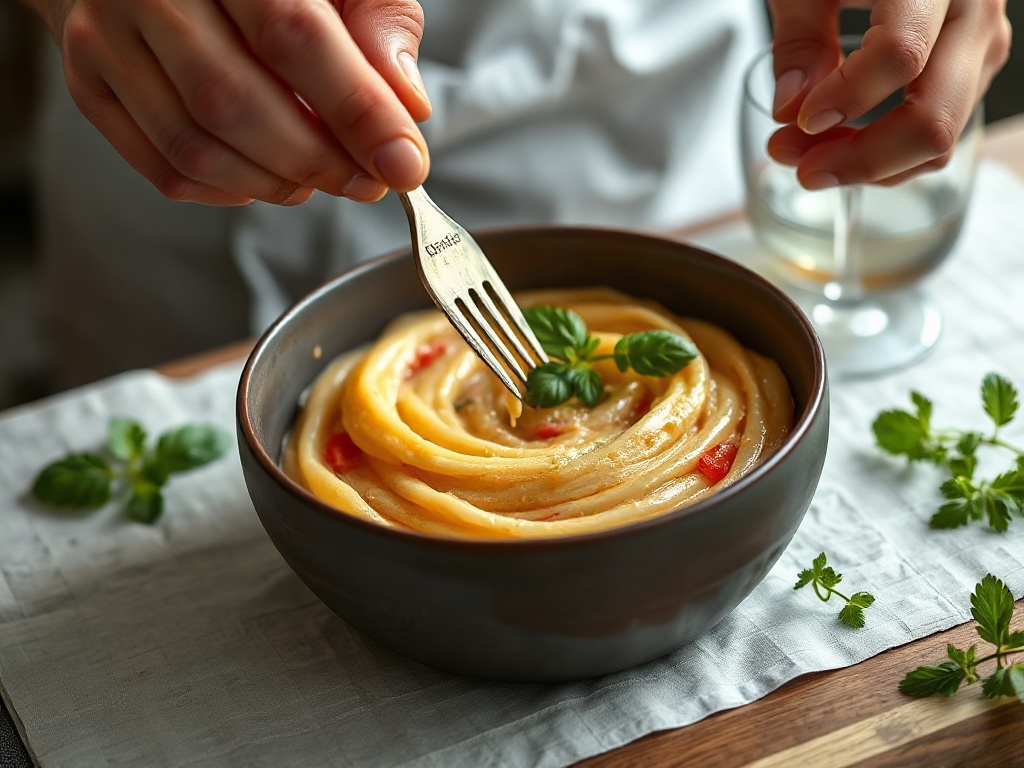
Italian Risotto Secrets to Perfection
Risotto, a hallmark of Italian culinary artistry, stands as a testament to the country's love for comfort and flavor. Often perceived as a daunting dish reserved for professional chefs, its creamy, al dente texture and rich taste are, in fact, achievable in any home kitchen with a few key insights. From the northern plains where it originated to the tables of gourmands worldwide, risotto captivates with its versatility and heartwarming appeal. This guide from Easy European Meals will demystify the process, unveiling the essential secrets that transform simple ingredients into a truly perfect Italian risotto, allowing you to master this beloved Mediterranean staple with confidence and flair.
The Foundation: Choosing the Right Rice
The journey to an impeccable risotto begins not with a technique, but with the fundamental choice of rice. Unlike your everyday long-grain varieties, risotto demands specific short to medium-grain rice types renowned for their high starch content and ability to absorb liquid without turning mushy. The three champions of risotto are Arborio, Carnaroli, and Vialone Nano. Arborio, the most widely available, has large, plump grains that are forgiving and deliver a wonderfully creamy texture. Carnaroli, often hailed as the "king of risotto rice," boasts higher starch content and a firmer grain, making it less prone to overcooking and yielding a superior al dente bite and creaminess. Vialone Nano, a smaller, rounder grain, absorbs liquid exceptionally well and cooks faster, making it ideal for delicate seafood risottos. Each variety possesses a unique characteristic that contributes to the signature creamy, yet slightly resistant, core that defines a truly authentic risotto. Selecting the right rice is the crucial first step in building a masterpiece, dictating both the texture and the cooking experience. Opting for quality rice ensures that your efforts in the kitchen are rewarded with the desired luxurious consistency, making it a non-negotiable secret to success.
Building Flavor: Soffritto and Toasting
With the rice selected, the next critical phase involves laying down the foundational flavors, starting with the soffritto and the often-overlooked step of toasting the rice. Soffritto, the aromatic base of many Italian dishes, typically involves finely diced onion (and sometimes a whisper of celery and carrot, though often omitted for classic risotto) gently sautéed in olive oil or butter until translucent and sweet. This slow caramelization releases incredible depth without browning, providing a mellow, savory backdrop. Following this, the raw rice is added directly to the pan and toasted. This crucial step, known as "tostatura," involves stirring the rice for a few minutes over medium heat until the grains become translucent around the edges but remain opaque in the center. Toasting seals the grain, preventing it from breaking down too quickly and allowing it to absorb liquid more evenly, thereby contributing to the desired al dente texture. It also imparts a subtle, nutty flavor that adds complexity to the final dish. Skipping this step can lead to a sticky, less defined risotto. Mastering the soffritto and tostatura ensures that every grain is perfectly prepared to soak up the subsequent liquids, contributing layers of taste and texture from the very beginning.
- Gently sauté aromatic vegetables like finely diced onion in olive oil or butter until soft and translucent, never browned.
- Add the raw risotto rice to the pan and stir continuously over medium heat for 2-3 minutes.
- Listen for a subtle, nutty aroma to emerge from the toasted grains, indicating they are ready for the next step.
- Observe the grains; they should become translucent at the edges while retaining a small, opaque core.
The Liquid Gold: Broth and Wine
The quality of your liquid ingredients, particularly the broth, is paramount to a truly exceptional risotto. Think of the broth as the lifeblood of your dish, infusing every grain with flavor. Using a high-quality, homemade chicken or vegetable broth is always recommended, as store-bought versions can sometimes lack depth or contain excessive sodium. The secret here is not just the quality, but also the temperature. The broth must be kept warm, simmering gently in a separate pot, throughout the entire cooking process. Adding cold broth would shock the rice, lowering the pan's temperature and hindering the even absorption and release of starch, ultimately affecting the risotto's creamy consistency. Equally important is the addition of wine, typically a dry white wine like Pinot Grigio or Sauvignon Blanc. Added after the rice has been toasted, the wine serves several purposes: it deglazes the pan, lifting any flavorful bits stuck to the bottom, and its acidity brightens the dish, adding a layer of complexity and cutting through the richness. It’s crucial to allow the wine to evaporate completely, ensuring only its essence remains and no raw alcohol flavor persists. This thoughtful layering of warm, flavorful broth and aromatic wine is what transforms simple rice into a deeply satisfying and nuanced culinary experience, showcasing the true essence of Italian cooking.
The Stirring and Adding: Patience is Key
The act of stirring and gradually adding broth is where the magic of risotto truly unfolds, demanding patience and a rhythmic approach. While the myth of constant, vigorous stirring persists, the reality is a more balanced technique. Consistent, gentle stirring is necessary to encourage the rice grains to rub against each other, releasing their starch and creating that characteristic creamy texture. However, over-stirring can break the grains, leading to a gluey consistency, while insufficient stirring can result in uneven cooking and less creaminess. The key is to add the warm broth one ladleful at a time, allowing each addition to be almost fully absorbed by the rice before adding the next. This gradual process ensures the rice cooks evenly, absorbs flavor deeply, and slowly builds its creamy texture. Each time the liquid is absorbed, the rice signals its readiness for more, creating a beautiful dance between the grains and the broth. Maintain a steady, medium heat to ensure a gentle simmer, allowing the rice to cook without boiling too aggressively. Towards the end of the cooking time, typically around 15-20 minutes, taste the rice frequently. It should be al dente – tender yet with a slight bite in the center – and suspended in a rich, flowing sauce, what Italians call "all'onda," or wavy. This careful, measured approach is the cornerstone of a perfectly cooked risotto, proving that good things truly do come to those who wait.
Mantecatura: The Creamy Finish
The final, glorious secret to perfect Italian risotto is a technique known as mantecatura, which translates to "beating in" or "creaming." This step is where the risotto achieves its ultimate creamy, luxurious texture and rich flavor. Once the rice has reached its al dente stage and is "all'onda," remove the pan from the heat immediately. This is crucial because adding butter and cheese to boiling risotto would melt them too quickly and incorporate them unevenly. For mantecatura, you'll typically incorporate a generous knob of cold, unsalted butter (cubed helps it melt faster) and a substantial amount of freshly grated Parmigiano-Reggiano cheese. Some recipes might also call for mascarpone or other soft cheeses depending on the desired richness. Stir these ingredients vigorously into the risotto off the heat. The cold butter emulsifies with the starch and remaining liquid, creating an incredibly smooth and velvety texture, while the Parmigiano-Reggiano adds a deep, umami-rich flavor. After incorporating, cover the pan and let the risotto rest for 2-3 minutes. This resting period allows the flavors to meld and the risotto to settle into its perfect consistency. Finally, give it one last stir before serving. The result should be a risotto that flows beautifully on the plate, not a solid mound, bursting with flavor and an irresistible creaminess that is truly the hallmark of Italian culinary excellence. This last step is non-negotiable for achieving restaurant-quality results in your home kitchen.
Conclusion
Mastering Italian risotto is a culinary journey that rewards patience, attention to detail, and a deep appreciation for quality ingredients. By understanding the secrets behind choosing the right rice, building a flavorful base with soffritto and tostatura, nurturing it with warm, high-quality broth and a splash of wine, and finally, perfecting the creamy finish with mantecatura, you can transform a seemingly complex dish into an approachable and utterly delicious reality. Each step plays a vital role in creating that signature creamy texture and profound depth of flavor that defines an authentic Italian risotto. No longer a mystery, these techniques empower you to bring a piece of Italy to your dining table. So, gather your ingredients, embrace the process, and prepare to impress yourself and your loved ones with a risotto that speaks volumes of your culinary prowess. We encourage you to try these secrets with your next meal! Explore more easy European recipes and cooking tips right here at Easy European Meals.
Commentaires
Enregistrer un commentaire