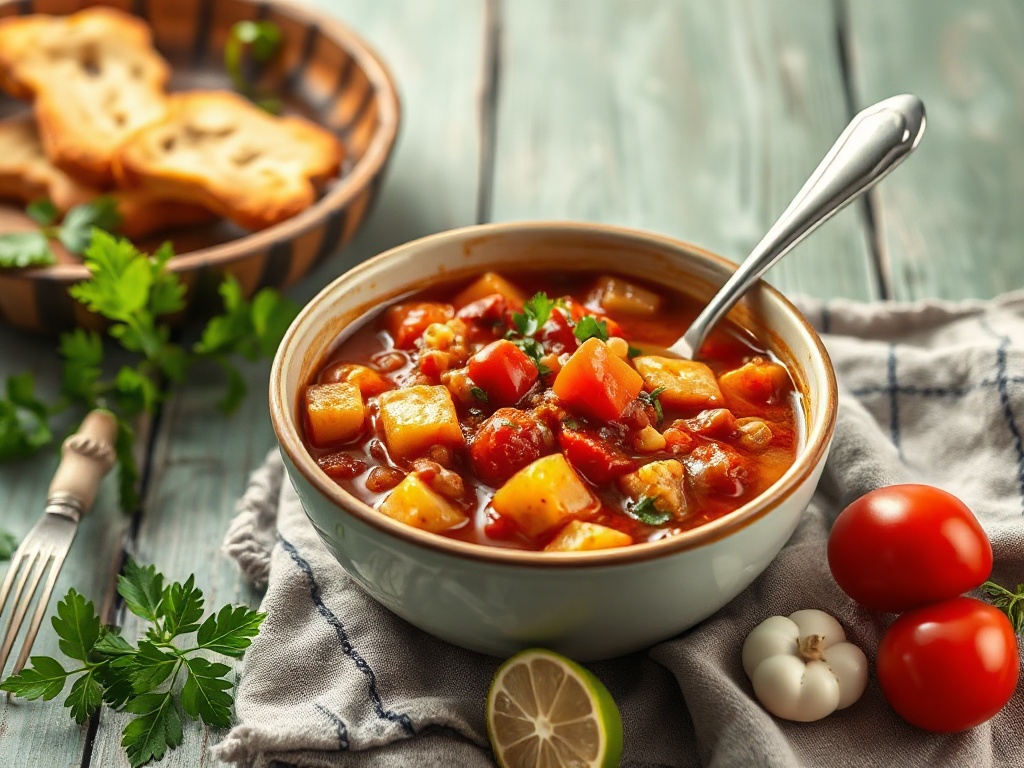
Hungarian Goulash: A Warming European Beef Stew for Easy Meals
Dive into the comforting embrace of Hungarian Goulash, a quintessential European dish that perfectly embodies the spirit of hearty, flavourful cooking. Far more than just a stew, goulash is a culinary journey to the heart of Hungary, renowned for its rich paprika-infused broth and tender, melt-in-your-mouth beef. Ideal for chilly evenings or a satisfying family meal, this classic recipe promises warmth and robust flavour without complicated steps. Get ready to discover how Easy European Meals brings the authentic taste of Hungarian Goulash right to your kitchen, proving that delicious European cuisine can indeed be simple and accessible for every home cook.
The Heart of Hungarian Cuisine: A Culinary Journey Through Goulash
Hungarian Goulash, or "Gulyás" as it's known in its homeland, stands as a proud cornerstone of Hungarian gastronomy, a dish deeply woven into the nation's cultural fabric. Its origins trace back to the nomadic Magyar shepherds who cooked their meat in kettles over open fires, giving rise to a simple yet profoundly satisfying meal. Over centuries, this humble shepherd's stew evolved, incorporating the vibrant spice that would become its defining characteristic: paprika. Hungary’s unique climate and soil are perfect for cultivating this mild to fiery red pepper, and it’s no exaggeration to say that paprika is to Hungarian cooking what olive oil is to Mediterranean food or garlic is to French and Italian dishes – utterly indispensable. This rich history imbues every spoonful of goulash with a sense of tradition and authenticity, offering a taste of European heritage that transcends borders. It's a testament to how simple ingredients, combined with time-honoured techniques, can create a dish of profound depth and flavour, making it a beloved staple not just in Hungary, but across the globe as a symbol of comforting European cuisine.
Unpacking the Goulash: Key Ingredients and Their Role in Flavor
The magic of Hungarian Goulash lies in its carefully selected, yet surprisingly simple, ingredients. Each component plays a crucial role in building the dish's signature deep, savoury flavour and comforting texture. The foundation is always quality beef, typically a cut like chuck or stewing beef, chosen for its ability to become incredibly tender after a long, slow simmer. Onions are another non-negotiable, providing a sweet, aromatic base when slowly caramelised, which then melds beautifully with the star of the show: Hungarian paprika. This isn't just any paprika; it's the soul of the dish, offering sweetness, warmth, and that iconic red hue. While many versions exist, sweet Hungarian paprika is usually the main player, often complemented by a touch of hot paprika for a gentle kick. Caraway seeds and marjoram add subtle earthy and herbaceous notes, distinguishing goulash from other European stews. Finally, a good quality beef broth or water, along with optional vegetables like carrots and potatoes, complete this wholesome and deeply satisfying meal, ensuring every bite is a harmonious blend of authentic European tastes.
- Quality Beef Cuts for Tenderness: Opt for well-marbled chuck roast or beef stew meat. These cuts, rich in collagen, break down beautifully during slow cooking, resulting in incredibly tender, flavourful morsels that melt in your mouth, forming the hearty core of your goulash.
- The Magic of Hungarian Paprika: This isn't just a spice; it's the heart and soul of authentic goulash. Use high-quality Hungarian sweet paprika for its vibrant colour and rich, mellow flavour. A dash of hot paprika can be added for those who prefer a gentle warmth, but always add it off the heat to prevent bitterness.
- Sautéed Onions: The Flavor Base: Don't rush the onions. Slowly caramelizing a generous amount of chopped onions until golden brown creates a sweet, aromatic foundation. This crucial step extracts their natural sugars, providing a depth of flavour that is essential for a truly authentic Hungarian goulash, setting the stage for the other ingredients.
- Optional Vegetables for Heartiness: While traditionally a meat and onion dish, many recipes incorporate root vegetables like diced carrots and potatoes. Added later in the cooking process, they absorb the rich, paprika-infused broth, making the goulash even more substantial and a complete one-pot meal, reminiscent of other comforting European stews.
Beyond the Basics: Regional Variations and Modern Twists
While the image of a rich, paprika-laden beef stew is universally associated with Hungarian Goulash, the truth is that "goulash" can encompass a fascinating spectrum of dishes even within Hungary. The most significant distinction lies between what Hungarians call *gulyás* (a thinner, soup-like dish, often with small noodles or dumplings) and *pörkölt* (a thicker, stew-like preparation, more akin to what many outside Hungary consider goulash). Then there's *székelygulyás*, a hearty variation featuring sauerkraut and sour cream, offering a tangy counterpoint to the rich meat. These regional differences highlight the dynamic nature of European cuisine, where local ingredients and traditions shape culinary expressions. Modern cooks, while respecting tradition, have also found ways to adapt goulash for contemporary kitchens. Slow cookers and Instant Pots have become popular tools, reducing active cooking time while still achieving that slow-simmered tenderness. Chefs might experiment with different cuts of meat, add a touch of red wine (a common practice in French and Italian stews), or even introduce smoky elements. The beauty lies in retaining the soul of goulash – its warmth, its paprika, its comforting depth – while allowing for personal touches that make it an easy and adaptable dish for any European meal plan, blending the best of old-world charm with modern convenience.
Crafting Your Easy Hungarian Goulash: Step-by-Step Simplicity
Creating an authentic Hungarian Goulash might sound intimidating, but it’s surprisingly straightforward, relying more on patience than complex techniques. The process begins with the careful sautéing of a generous amount of chopped onions until they are deeply golden and translucent, forming the flavour bedrock. Next, bite-sized pieces of beef are browned to lock in their juices and develop a rich, savoury crust. This is a crucial step, adding significant depth to the final stew. The magic truly happens when the Hungarian paprika is added – crucially, off the heat or with the pan cooled slightly. This prevents the paprika from burning, which can turn it bitter, ensuring its sweet, vibrant notes shine through. A splash of liquid, usually beef broth, is then added, followed by the browned beef. The mixture is brought to a gentle simmer, and this is where patience becomes your best friend. The goulash is slow-cooked for several hours, allowing the beef to become incredibly tender and the flavours to meld and deepen beautifully. Optional vegetables like carrots and potatoes can be added during the last hour or so of cooking, ensuring they are perfectly tender but not mushy. This largely hands-off approach makes goulash an ideal candidate for easy weeknight dinners or leisurely weekend cooking, promising a deeply satisfying European meal with minimal fuss.
Serving Suggestions and Pairings: Completing Your European Meal
A perfectly crafted Hungarian Goulash deserves an equally thoughtful presentation to complete the authentic European dining experience. The most classic accompaniment is *nokedli*, small Hungarian egg dumplings similar to German spaetzle, which are perfect for soaking up the rich, paprika-infused sauce. However, if nokedli feels like an extra step, mashed potatoes, creamy polenta (a nod to Italian comfort), or even wide egg noodles make excellent substitutes, providing a comforting base for the stew. For a simple yet satisfying option, a crusty loaf of European bread – think a rustic French baguette or an Italian ciabatta – is ideal for mopping up every last drop of the flavourful gravy. A dollop of sour cream or crème fraîche on top of each serving adds a delightful creamy tang, cutting through the richness of the stew and enhancing its overall flavour profile. To balance the hearty main course, a simple side salad with a light vinaigrette can provide a refreshing contrast. When it comes to beverages, a robust Hungarian red wine, such as an Egri Bikavér (Bull's Blood) or a full-bodied Cabernet Sauvignon, complements the rich beef and paprika beautifully. Alternatively, a dark, malty European beer would also be an excellent pairing, elevating your easy European meal into a truly memorable feast. Sharing this warm, flavourful goulash with loved ones is more than just a meal; it's an experience, a taste of European hospitality brought right to your table.
Conclusion
Hungarian Goulash stands as a testament to the enduring appeal of traditional European cuisine: hearty, flavourful, and deeply comforting. From its humble origins as a shepherd's meal to its status as a national treasure, goulash offers a rich tapestry of history and taste. Its warming embrace, achieved through tender beef and the vibrant magic of Hungarian paprika, makes it an ideal dish for any season, bringing a touch of Central European charm to your table. We’ve explored its key ingredients, regional nuances, and how its preparation, though simple, yields profound flavour. Embracing goulash in your culinary repertoire is an invitation to savour a delicious, accessible piece of European heritage. Discover more easy European recipes and culinary adventures that bring the world's best flavours to your home. Explore EasyEuropeanMeals.com for your next delicious journey!