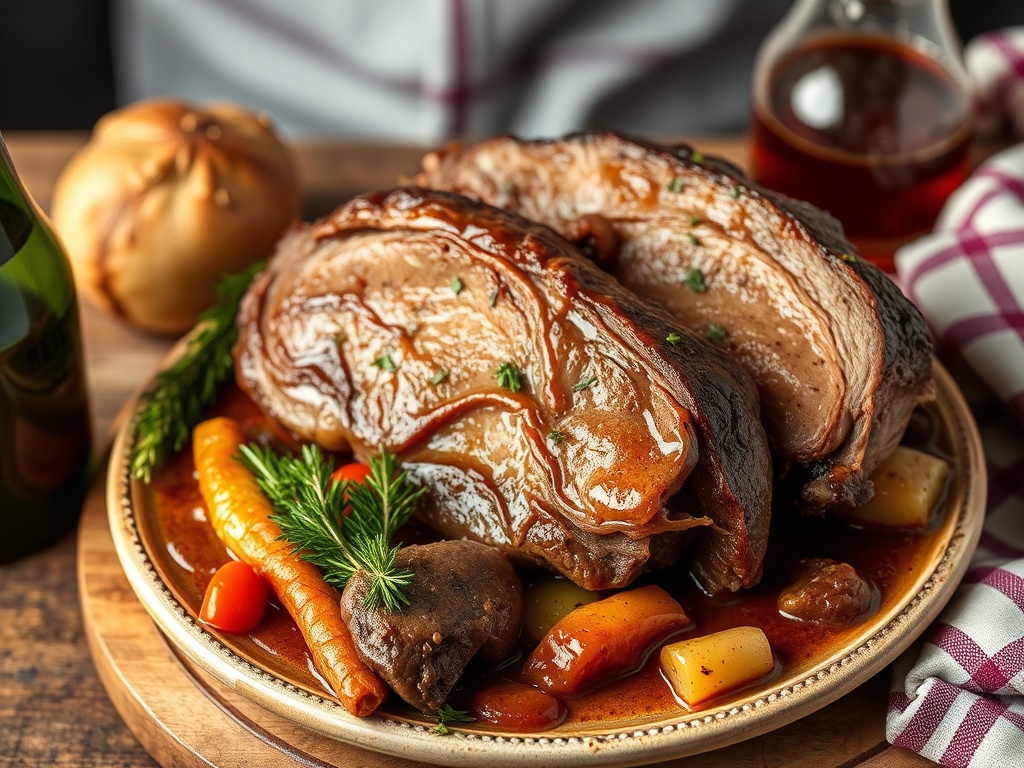
German Sauerbraten Authentic Pot Roast
Embark on a culinary journey to the heart of Germany with Sauerbraten, a timeless classic that embodies comfort and tradition. This authentic pot roast is renowned for its unique sweet, sour, and savory flavor profile, a result of a lengthy marinating process in a vinegar-based liquid infused with aromatic spices. Far from a simple Sunday roast, Sauerbraten is a celebration of slow cooking and rich heritage, transforming humble cuts of beef into an incredibly tender and flavorful masterpiece. If you're looking to explore the depth of European cuisine, particularly the hearty dishes Germany is famous for, mastering Sauerbraten is a truly rewarding experience that promises a memorable meal.
The History and Regionality of Sauerbraten
Sauerbraten, meaning "sour roast," boasts a fascinating history deeply rooted in practical culinary techniques. Originating centuries ago, possibly as a method to preserve meat before refrigeration, the vinegar marinade not only tenderized tougher cuts but also extended their shelf life. Legend even suggests that Julius Caesar brought the practice of marinating meat in wine to Germany. Over time, this preservation method evolved into a beloved dish, becoming a staple of German festive meals and family gatherings. Its reputation as a national dish is well-deserved, reflecting a rich culinary heritage passed down through generations.
The beauty of Sauerbraten also lies in its regional diversity. While the core concept remains consistent, each region adds its unique twist. The Rhineland version, perhaps the most famous, often incorporates raisins and a distinct thickening agent like gingerbread or gingersnaps into the gravy, lending a delightful sweet-sour balance. Swabian Sauerbraten might feature different spices or a simpler gravy, while Bavarian styles could lean on local dark beers for depth. Exploring these regional nuances reveals the creativity and adaptability of German cooking, inviting home cooks to experiment and find their personal favorite interpretation of this magnificent pot roast.
Understanding the Key Ingredients and Marinade
The heart and soul of an authentic German Sauerbraten lie in its extraordinary marinade. This isn't just a simple flavoring agent; it's a transformative elixir that tenderizes the meat and infuses it with the characteristic tangy, sweet, and savory notes that define the dish. Selecting the right ingredients for this marinade is paramount to achieving that unmistakable Sauerbraten flavor profile. The careful balance of acidity, aromatics, and spices works synergistically over several days to break down the meat fibers and impart deep, complex flavors that are impossible to replicate with a quick soak. Understanding each component's role is key to mastering this traditional European pot roast.
Beyond the marinade, the choice of meat is equally important. While traditionally, tougher cuts of beef were used, modern recipes often call for lean beef such as top round, bottom round, rump roast, or even venison, which benefits greatly from the long marination and slow braising process. The goal is a piece of meat that, after cooking, is incredibly tender and easily falls apart. This combination of thoughtful ingredient selection and patient preparation is what elevates Sauerbraten from a mere pot roast to a truly iconic dish in the German culinary canon.
- Type of Vinegar and its Role: Red wine vinegar or apple cider vinegar are commonly used, providing the essential acidity that tenderizes the meat and contributes to the signature "sour" element of Sauerbraten.
- Essential Aromatic Vegetables: Sliced onions, carrots, and celery are fundamental. They infuse the marinade with a sweet, earthy base that complements the vinegar and spices, building layers of flavor.
- Key Spices for Authentic Flavor: Bay leaves, juniper berries, whole peppercorns, and cloves are indispensable. These spices provide a warm, fragrant, and slightly piquant backdrop that is crucial to Sauerbraten's distinct taste.
- Ideal Cuts of Meat for Tenderness: Beef top round, bottom round, or rump roast are excellent choices. Their leanness and texture benefit immensely from the long marination and slow braising, ensuring a melt-in-your-mouth tenderness.
The Art of Marinating: Patience is a Virtue
The marinating process is arguably the most crucial step in preparing an authentic Sauerbraten, demanding patience and foresight. This isn't a quick overnight soak; for true flavor development and tenderization, the beef needs to luxuriate in its aromatic bath for a minimum of three days, and ideally up to ten days. During this extended period, the acidic components of the marinade work tirelessly to break down the connective tissues in the meat, transforming what might otherwise be a tough cut into an incredibly succulent and fork-tender roast. This slow infusion also allows the complex flavors of the vinegar, herbs, and spices to penetrate deeply into every fiber of the beef, ensuring a consistent and profound taste throughout.
To ensure a successful marination, several best practices should be followed. Always use a non-reactive container, such as a glass dish, ceramic bowl, or a food-grade plastic bag, to prevent any metallic flavors from leaching into the marinade. Submerge the meat completely in the marinade, adding a little water if necessary to cover it fully. It's also vital to turn the meat daily to ensure even exposure to the marinade on all sides. Storing the container in the refrigerator throughout the marination period is essential for food safety. This commitment to patience during marination is what truly distinguishes an authentic Sauerbraten, laying the foundation for its renowned depth of flavor and exquisite tenderness.
Cooking Sauerbraten to Perfection: From Sear to Simmer
Once the lengthy marination is complete, the cooking process for Sauerbraten transitions to the braising stage, a method designed to further tenderize the meat and build an incredible depth of flavor. The first critical step is searing the marinated beef. Before searing, pat the meat thoroughly dry to ensure a beautiful, golden-brown crust. Searing the beef in hot oil or fat on all sides creates a Maillard reaction, developing rich, complex flavors and aromas that will contribute significantly to the final dish. This initial browning also helps to lock in juices, although the subsequent slow braising is the primary method for tenderization.
After searing, the braising liquid comes into play. The strained marinade, often supplemented with beef broth, red wine, or even a touch of water, forms the base of this liquid. The seared meat is then returned to the pot, covered with the braising liquid, and brought to a gentle simmer. The key to perfect Sauerbraten is low and slow cooking, whether in a heavy-bottomed pot on the stovetop or, more commonly, in the oven. This gentle heat allows the meat to slowly break down, becoming incredibly tender and succulent over several hours. The long, moist cooking environment ensures that every fiber of the beef is infused with the rich, tangy flavors from the marinade, resulting in a pot roast that truly melts in your mouth and embodies the comforting essence of German cuisine.
Crafting the Signature Gravy and Serving Suggestions
The magnificent Sauerbraten isn't complete without its signature gravy, which is arguably as famous and beloved as the pot roast itself. This rich, tangy, and subtly sweet sauce is created directly from the braising liquid, capturing all the complex flavors infused during the long cooking process. After removing the tender beef from the pot, the braising liquid is strained to remove any solids, leaving behind a flavorful base. The magic then happens as this liquid is thickened and balanced. Traditional German methods often employ crushed gingerbread or gingersnaps, which not only thicken the gravy but also add a unique sweet, spicy, and slightly savory depth that is characteristic of Rhineland Sauerbraten. Alternatively, a roux made from flour and butter, or a cornstarch slurry, can be used for thickening.
Achieving the perfect balance of flavors in the gravy is an art. It should be tangy from the vinegar, slightly sweet from any added sugar or gingerbread, and savory from the meat juices and aromatics. A final taste test and adjustment with a pinch of sugar, a splash more vinegar, or a touch of salt and pepper will ensure perfection. Once the gravy is smooth and luscious, it’s ready to be served generously over slices of the incredibly tender Sauerbraten. Traditional accompaniments are essential for a complete German meal. Potato dumplings (Knödel) or spaetzle are ideal for soaking up the rich gravy, while braised red cabbage (Rotkohl) offers a vibrant, sweet-tart contrast. A side of applesauce or stewed apples can also provide a refreshing counterpoint, completing an unforgettable Easy European Meal that transports you straight to Germany.
Conclusion
Creating authentic German Sauerbraten is a journey that celebrates patience, tradition, and the profound flavors of European cuisine. From the meticulous multi-day marination that tenderizes and infuses the meat, to the slow braising that brings it to melt-in-your-mouth perfection, and finally, the crafting of its iconic tangy-sweet gravy, every step contributes to a truly magnificent dish. Sauerbraten is more than just a pot roast; it's a testament to the art of slow cooking, transforming simple ingredients into a complex and comforting masterpiece that truly represents the heart of German culinary heritage. Its unique flavor profile, combining sour, sweet, and savory notes, makes it an unforgettable meal that’s perfect for family gatherings or a special Sunday dinner. We encourage you to embark on this rewarding culinary adventure and bring the taste of Germany into your home. Discover more easy European recipes and explore the rich tapestry of French, Italian, and Spanish cooking on Easy European Meals!
Commentaires
Enregistrer un commentaire