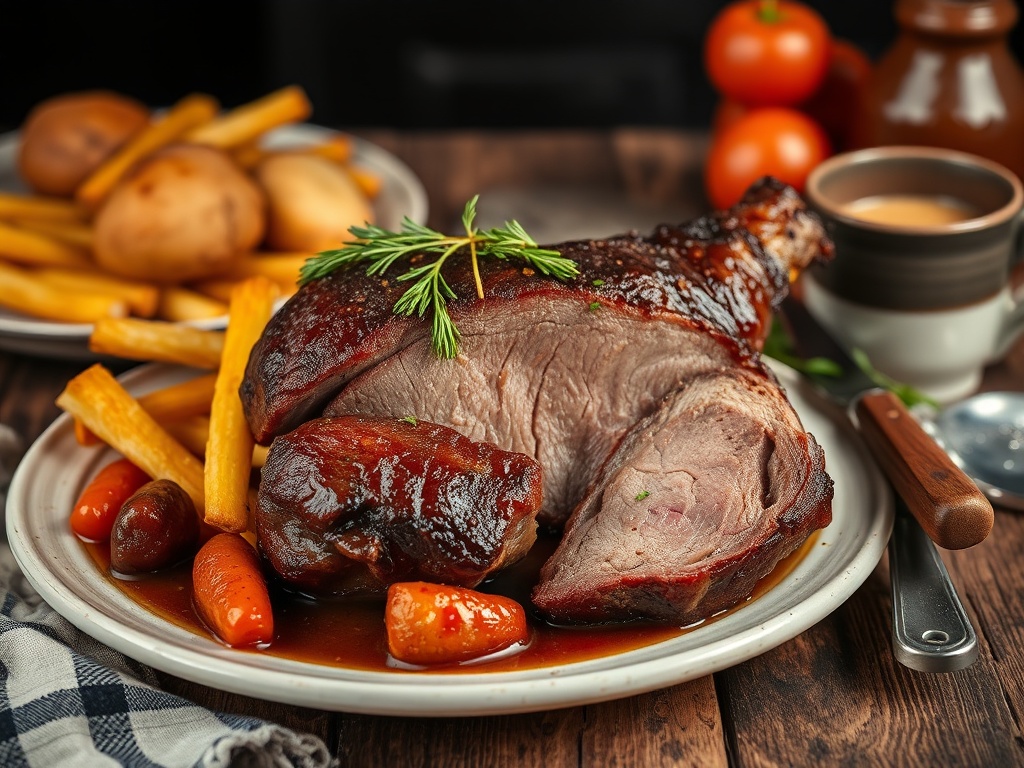
German Sauerbraten: Authentic Pot Roast Perfection for Your Table
Embark on a culinary journey to the heart of Germany with Sauerbraten, a dish renowned for its incredible depth of flavor and melt-in-your-mouth tenderness. More than just a pot roast, Sauerbraten is a celebration of patience and tradition, transforming humble cuts of beef into a masterpiece through a unique marination process. Often perceived as complex, we're here to demystify this iconic European comfort food, proving that an authentic German Sauerbraten is well within reach for any home cook. Prepare to impress your family and friends with a dish that perfectly balances savory, sweet, and tangy notes, creating an unforgettable dining experience right in your own kitchen.
The Heart of German Cuisine: What is Sauerbraten?
Sauerbraten, literally translating to "sour roast," is a quintessential German pot roast, celebrated across the country for centuries. At its core, it's a dish where a large cut of meat, traditionally beef, is marinated for several days in a mixture of vinegar, water, and an array of aromatic spices and vegetables. This prolonged soak is the secret to its distinctive tangy flavor and incredibly tender texture, as the acid in the marinade works to break down the meat fibers. Historically, this method served a dual purpose: preserving meat before refrigeration was common and tenderizing tougher, more economical cuts. While beef is the most common choice today, variations using venison, lamb, or even pork can also be found, each offering a unique twist on this beloved classic.
The beauty of Sauerbraten lies in its regional diversity. From the Rhineland's version, often sweetened with raisins and gingersnaps, to the more robust, earthy flavors of Bavarian Sauerbraten, each region boasts its own cherished interpretation. Regardless of the specific nuances, the essence remains the same: a deeply flavorful, fall-apart tender roast bathed in a rich, complex gravy that is utterly irresistible. It’s a dish that embodies German culinary heritage, offering a taste of tradition that resonates with warmth and comfort, making it a perfect centerpiece for family gatherings or a special weekend meal.
The Essential Ingredients for a Traditional Sauerbraten
Crafting an authentic German Sauerbraten begins with selecting the right ingredients. The success of this dish hinges on a few key components that work in harmony to create its signature flavor profile. Firstly, the meat itself is paramount. While any sturdy beef roast can work, leaner cuts such as top round, bottom round, or rump roast are traditionally preferred because they hold up well to the long marination and slow braising, becoming incredibly tender without falling apart too quickly. Chuck roast is also a popular choice for its marbling, which contributes to a rich, succulent finish.
The marinade is where the magic truly happens, a vibrant blend of red wine vinegar and water providing the essential acidity. This liquid base is infused with a medley of whole spices, including fragrant bay leaves, pungent peppercorns, aromatic juniper berries, and warm cloves, alongside sliced onions, carrots, and celery, which impart a foundational sweetness and depth. Finally, the iconic sauce requires a special touch: crushed gingersnaps (Lebkuchen) or sometimes even molasses or sugar, which not only thicken the gravy but also introduce a unique sweet-spicy counterpoint to the tang of the vinegar. Some regional recipes also incorporate raisins, adding another layer of sweetness and complexity. Paying attention to these foundational elements ensures a Sauerbraten that is both traditional and truly unforgettable.
- High-quality beef roast, such as top round, rump, or chuck, chosen for its ability to become incredibly tender.
- Red wine vinegar, the cornerstone of the marinade, providing the characteristic tang and tenderizing properties.
- Aromatic whole spices, including bay leaves, black peppercorns, juniper berries, and cloves, for deep flavor infusion.
- Crushed gingersnaps (Lebkuchen) or a similar sweet-spicy cookie, essential for thickening and enriching the final gravy.
The Marination Process: A Symphony of Flavors
The marination phase is arguably the most critical step in preparing a truly authentic Sauerbraten, transforming a simple cut of beef into a deeply flavorful and incredibly tender roast. This isn't a quick process; it demands patience, typically requiring the meat to soak for anywhere from three to ten days in the refrigerator. During this extended period, the acidic marinade works its wonders, slowly breaking down the tough connective tissues in the beef, resulting in that coveted melt-in-your-mouth texture. Beyond tenderization, the marinade infuses the meat with a complex tapestry of flavors – the sharp tang of vinegar, the subtle sweetness of vegetables, and the warm, earthy notes of the spices.
To prepare the marinade, combine red wine vinegar, water, sliced onions, carrots, celery, bay leaves, peppercorns, juniper berries, and cloves in a pot. Bring this mixture to a boil, then immediately remove it from the heat and allow it to cool completely. This crucial cooling step prevents the meat from cooking prematurely. Once cool, place the beef roast in a non-reactive container – a glass dish, ceramic crock, or a large zip-top bag works perfectly – and pour the cooled marinade over it, ensuring the meat is fully submerged. If it's not completely covered, you might need to add a bit more vinegar and water in the correct ratio. Turn the meat daily to ensure even marination, making sure every inch of the roast is exposed to the flavorful liquid. This commitment to patience is what truly elevates Sauerbraten from a simple pot roast to a culinary masterpiece, allowing a symphony of flavors to slowly permeate the meat.
Braising to Perfection: Cooking Your Sauerbraten
Once the marination period is complete and your beef is thoroughly infused with flavor and tenderness, it's time for the braising stage, where the Sauerbraten truly comes to life. Begin by removing the beef from the marinade, patting it thoroughly dry with paper towels. Reserve the marinade and vegetables. A dry surface is crucial for achieving a beautiful, rich brown crust, which adds another layer of deep, savory flavor to the final dish. In a heavy-bottomed Dutch oven or large oven-safe pot, heat a tablespoon or two of oil over medium-high heat. Sear the beef on all sides until it's deeply browned and caramelized. This browning process, known as the Maillard reaction, creates hundreds of new flavor compounds that will enhance the entire dish.
After searing, remove the meat from the pot and set it aside. Add the strained vegetables from the marinade to the pot, sautéing them until softened and lightly browned, scraping up any delicious browned bits from the bottom of the pan. Deglaze the pot with a portion of the strained marinade liquid, bringing it to a simmer and allowing it to reduce slightly. Return the seared beef to the pot, nestling it among the vegetables. Pour in enough of the remaining strained marinade to come halfway up the sides of the roast. Cover the pot tightly and transfer it to a preheated oven, typically around 325°F (160°C). The slow, gentle heat of the oven, combined with the moist environment, will continue to tenderize the meat over several hours, ensuring a fall-apart texture. Baste the roast periodically to keep it moist and infuse it further with the braising liquid, ensuring a succulent and flavorful result.
Crafting the Signature Sauerbraten Sauce and Serving Suggestions
The sauce is the crowning glory of any Sauerbraten, a rich, tangy, and subtly sweet gravy that perfectly complements the tender meat. Once your Sauerbraten is cooked to perfection and resting, carefully remove the roast from the pot. Strain all the braising liquid and vegetables through a fine-mesh sieve, pressing down on the solids to extract every last drop of flavorful juice. Discard the spent vegetables, as their flavors have been fully imparted into the liquid. Transfer the strained liquid to a saucepan and bring it to a simmer over medium heat. This is where the magic of the gingersnaps comes into play.
Crush several gingersnap cookies (Lebkuchen for an even more authentic touch) into a fine powder and gradually whisk them into the simmering sauce. The gingersnaps not only act as a natural thickener but also lend a unique sweet, spicy, and slightly molasses-like flavor that is characteristic of traditional Sauerbraten. Continue to simmer and whisk until the sauce reaches your desired consistency – thick enough to coat the back of a spoon, but still pourable. Taste and adjust the seasoning, adding a pinch of sugar if it's too tart, or a splash more vinegar if it needs an extra zing. Slice the rested Sauerbraten against the grain and serve generously drizzled with this incredible sauce. Traditional accompaniments for Sauerbraten include hearty potato dumplings (Knödel), buttery spaetzle, sweet-tart braised red cabbage (Rotkohl), and often a side of applesauce, creating a truly authentic and satisfying German meal that celebrates balance and rich, comforting flavors.
Conclusion
German Sauerbraten is more than just a meal; it's an experience, a journey into the heart of European culinary tradition that rewards patience with unparalleled flavor. From the meticulous marination to the slow braising and the creation of its signature tangy-sweet sauce, every step contributes to a dish that is both complex and comforting. This authentic pot roast, with its tender beef and rich gravy, is a testament to the art of transforming simple ingredients into something extraordinary. Whether you're a seasoned cook or new to German cuisine, mastering Sauerbraten offers immense satisfaction and a truly impressive dish for any occasion. It’s a taste of history, a warm hug on a plate, and a recipe that will undoubtedly become a cherished favorite in your repertoire. Ready to embark on your own German culinary adventure? Visit Easy European Meals for more authentic European recipes and cooking tips!
Commentaires
Enregistrer un commentaire