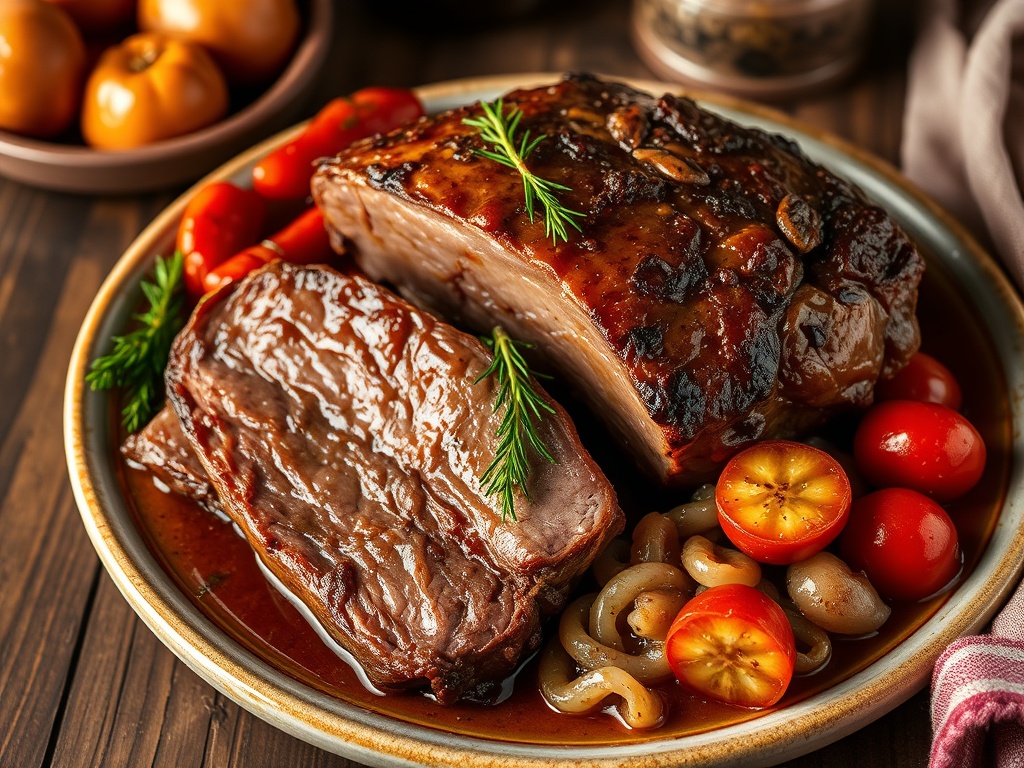
German Sauerbraten: Authentic Pot Roast for Easy European Meals
Embark on a culinary journey to the heart of Germany with Sauerbraten, a dish that epitomizes rich tradition and comforting flavors. This authentic German pot roast is more than just a meal; it's a testament to patience and a celebration of robust, savory, and surprisingly tangy tastes. Often considered a staple of German cuisine, Sauerbraten boasts a unique profile thanks to its distinctive marinating process in a blend of vinegar, spices, and vegetables. While its name, meaning "sour roast," might suggest a sharp flavor, the slow cooking and thoughtful preparation transform it into a tender, deeply flavored masterpiece with a harmonious balance of sweet, sour, and savory notes. Discover how this beloved European comfort food, though seemingly elaborate, can be an accessible and incredibly rewarding addition to your home cooking repertoire with Easy European Meals.
What Makes Sauerbraten So Special? A Culinary Journey
Sauerbraten stands out in the world of pot roasts due to its singular preparation method, which begins days before the actual cooking. The very essence of Sauerbraten lies in its lengthy marination, where a cut of beef, traditionally, is submerged in a brine of vinegar, water, aromatic vegetables like onions and carrots, and a medley of spices including bay leaves, juniper berries, peppercorns, and cloves. This acidic bath serves multiple crucial purposes: it tenderizes tougher cuts of meat over several days, infuses the beef with a profound depth of flavor, and sets the stage for the dish's signature tangy profile. The marinade is not merely a tenderizer; it's the foundation upon which the complex taste of Sauerbraten is built. Regional variations abound, from the sweet and sour Rhine-style Sauerbraten, often incorporating raisins and gingerbread, to the more robust Bavarian versions, each offering a slightly different interpretation of this classic. This fascinating blend of acidity, sweetness, and spice creates a dish that is both hearty and elegantly complex, making it a true highlight of German culinary heritage.
The Essential Ingredients for a Perfect Sauerbraten
Crafting an authentic Sauerbraten requires a thoughtful selection of ingredients, each playing a vital role in developing its signature flavor and texture. The core of the dish begins with the right cut of meat, traditionally a tougher cut of beef that benefits immensely from the long marination and slow braising process. Beyond the meat, the complexity of Sauerbraten truly unfolds through its unique marinade and the clever additions to its accompanying gravy. Understanding these key components is the first step towards mastering this beloved German classic, ensuring a dish that is both tender and brimming with its characteristic tangy-sweet and savory notes. From the foundational vinegar to the surprising sweetening agents, every ingredient contributes to the final, unforgettable experience of this European comfort food.
- Meat: Opt for beef top round, bottom round, or chuck roast. These cuts are ideal for slow cooking as they become incredibly tender after marinating and braising. While beef is traditional, some regional variations or personal preferences might use lamb or venison.
- Marinade Base: A robust blend of red wine vinegar and water forms the acidic backbone. This is enhanced with whole spices like bay leaves, juniper berries, black peppercorns, and cloves, along with aromatic vegetables such as sliced onions, carrots, and celery, which infuse the meat with deep, earthy flavors.
- Flavor Enhancers (for sauce): This is where Sauerbraten gets its unique sweet and savory balance. Crushed gingerbread cookies (Lebkuchen), raisins, apple butter, or a touch of brown sugar are often added to the gravy, providing a rich sweetness that perfectly complements the marinade's tang.
- Thickener: A roux made from butter and flour, or a cornstarch slurry, is typically used to achieve the desired luscious consistency for the gravy, ensuring it clings beautifully to the tender meat and side dishes.
The Art of Marinating: Patience is a Virtue
The marinating phase is arguably the most critical step in preparing Sauerbraten, a process that demands patience but rewards with unparalleled flavor and tenderness. This isn't a quick soak; it's a multi-day commitment that transforms a simple cut of meat into something extraordinary. To begin, a flavorful marinade is prepared by combining red wine vinegar, water, sliced onions, carrots, celery, and a robust selection of whole spices like bay leaves, juniper berries, black peppercorns, and cloves. This mixture is often brought to a boil and then completely cooled before the meat is introduced. The chosen cut of beef—be it top round or chuck roast—is then fully submerged in this aromatic liquid, ensuring every part is exposed to the tenderizing and flavor-infusing properties of the marinade. The meat must marinate in the refrigerator for a minimum of three days, and often up to ten days, requiring daily turning to ensure even saturation. This extended period allows the acidity of the vinegar to slowly break down the tough muscle fibers, resulting in an incredibly tender roast, while the spices and vegetables permeate the meat, building the complex, tangy, and aromatic foundation that is characteristic of an authentic Sauerbraten. Rushing this step would compromise the very essence of the dish.
Cooking Sauerbraten: From Sear to Simmer
Once the extensive marinating period is complete, the actual cooking of the Sauerbraten begins, transforming the deeply flavored meat into a fork-tender masterpiece. The first crucial step is to remove the beef from the marinade, pat it thoroughly dry, and then sear it vigorously on all sides in a heavy-bottomed pot or Dutch oven. This browning process is vital, as it creates a rich, caramelized crust on the meat, locking in juices and developing complex flavors through the Maillard reaction that will contribute significantly to the final dish. After searing, the reserved marinade, along with the vegetables and spices, is often strained and added to the pot, deglazing the pan and capturing all those delicious browned bits. Additional liquid, such as beef broth, might be included to ensure the meat is adequately covered for braising. The pot is then covered tightly and transferred to a low-temperature oven or simmered gently on the stovetop. This slow, moist-heat cooking method, typically lasting for several hours (often 3-4 hours or more, depending on the cut and size of the meat), is essential for further tenderizing the beef until it can be easily shredded with a fork. It’s during this long, gentle simmer that the flavors meld and deepen, creating the comforting aroma and taste that define authentic German Sauerbraten.
Crafting the Iconic Sauerbraten Gravy
The rich, complex gravy accompanying Sauerbraten is as celebrated as the tender meat itself, serving as the perfect culmination of all the flavors developed throughout the cooking process. Once the Sauerbraten is cooked to perfection and removed from the pot, the braising liquid, laden with the essence of the marinade, beef drippings, and softened vegetables, becomes the foundation for this iconic sauce. The liquid is typically strained to remove solids, creating a smooth base. It is at this stage that the "secret ingredients" often come into play, distinguishing Sauerbraten gravy from a standard pot roast sauce. Crushed gingerbread cookies (Lebkuchen), raisins, or a dollop of apple butter are commonly incorporated, adding a unique sweetness and depth that perfectly balances the tangy notes from the vinegar. These ingredients melt into the sauce, contributing to its color and body. To achieve the desired luscious consistency, a roux made from butter and flour, or a cornstarch slurry, is whisked into the simmering liquid. The gravy is then gently cooked until it thickens to a velvety texture, allowing its myriad flavors—sweet, sour, savory, and aromatic—to harmonize beautifully. Adjusting the seasoning to achieve that perfect balance is key, resulting in a gravy that elevates the entire Sauerbraten experience, making every bite truly memorable.
Conclusion
German Sauerbraten is much more than a traditional pot roast; it's a culinary masterpiece that embodies the rich heritage and comforting flavors of European cuisine. From its unique multi-day marinating process to the slow braising and the creation of its iconic tangy-sweet gravy, every step contributes to a dish of remarkable depth and tenderness. While it requires patience and a bit of planning, the effort is undeniably rewarded with an unforgettable meal that brings warmth and satisfaction to any table. Sauerbraten is a true testament to how simple ingredients, thoughtfully prepared, can transform into an extraordinary dining experience. We encourage you to embrace the challenge and savor the incredible flavors of this authentic German classic in your own kitchen. Visit Easy European Meals for more authentic European recipes and cooking tips, and start your next culinary adventure today!
<!--
Commentaires
Enregistrer un commentaire