Exploring the Rich Flavors of Portuguese Bacalhau: Traditional Salt Cod
Introduction to the world of Portuguese cuisine is incomplete without mentioning
Bacalhau, the traditional salt cod that has been a staple in Portuguese kitchens for centuries. This beloved dish has a rich history, and its preparation and consumption are deeply rooted in the country's culture and traditions. In this article, we will delve into the world of
Portuguese Bacalhau, exploring its origins, preparation methods, and the various ways it is enjoyed throughout the country.
A Brief History of Bacalhau
The history of
Bacalhau in Portugal dates back to the 15th century, when the country's fishermen would venture into the North Atlantic to catch cod. The fish was then preserved in salt to make it last longer, and this preservation method gave birth to the
salt cod that is still widely used in Portuguese cuisine today. Over time,
Bacalhau became an integral part of Portuguese cuisine, with various regions developing their own unique ways of preparing and enjoying the dish.
Preparing Bacalhau: A Traditional Art
Preparing
Bacalhau is an art that requires patience, skill, and attention to detail. The process begins with the selection of the finest
salt cod, which is then soaked in water to remove excess salt. The cod is then shredded or flaked, depending on the desired texture, and mixed with a variety of ingredients such as onions, garlic, and potatoes. The mixture is then shaped into patties or cakes, which are fried until golden brown and crispy.
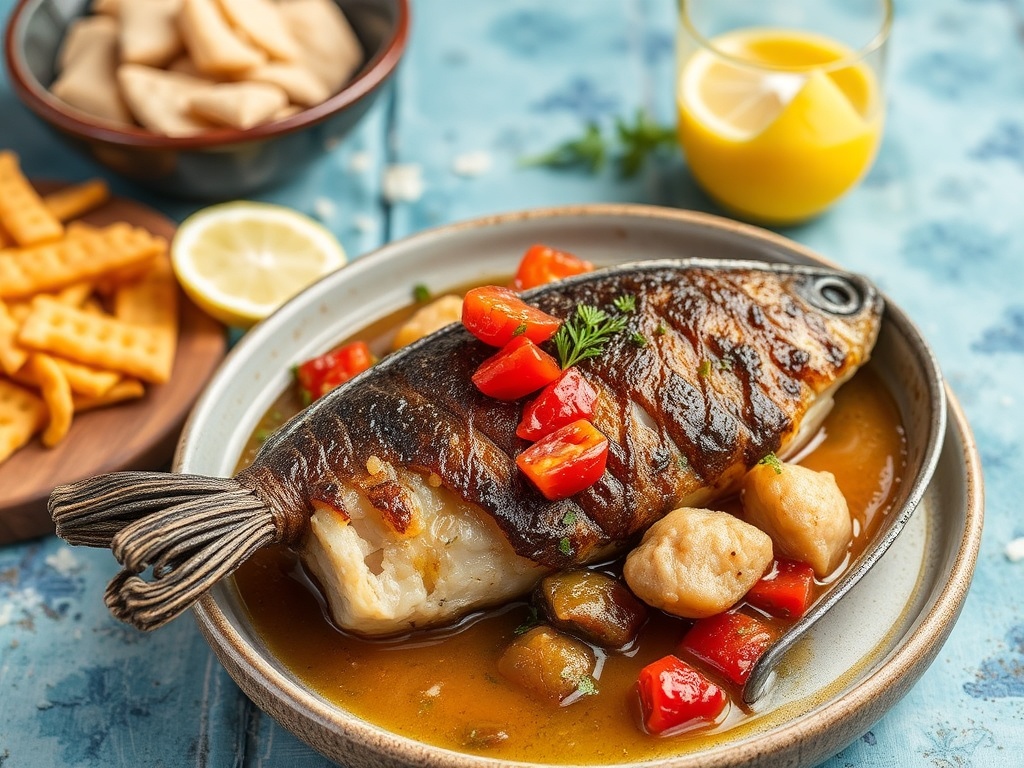
Bacalhau can also be baked or grilled, and it is often served with a side of boiled potatoes, rice, or vegetables.
Regional Variations of Bacalhau
One of the fascinating aspects of
Bacalhau is the numerous regional variations that exist throughout Portugal. Each region has its own unique way of preparing
Bacalhau, reflecting the local ingredients, traditions, and cultural influences. For example, in the north of Portugal,
Bacalhau is often served with a rich and creamy sauce, while in the south, it is typically grilled and served with a side of boiled potatoes and vegetables. Some of the most popular regional variations of
Bacalhau include:
- Bacalhau à Brás: A classic Lisbon-style dish made with shredded cod, onions, potatoes, and scrambled eggs.
- Bacalhau com Natas: A rich and creamy dish from the north of Portugal, made with cod, potatoes, and a creamy sauce.
- Bacalhau Grelhado: A simple yet flavorful dish from the Algarve region, made with grilled cod, boiled potatoes, and vegetables.
The Cultural Significance of Bacalhau
Bacalhau is more than just a dish in Portuguese cuisine; it is a cultural icon that reflects the country's history, traditions, and values. The dish is often served on special occasions such as Christmas, Easter, and New Year's Eve, and it is a staple at family gatherings and social events. The preparation and consumption of
Bacalhau are also deeply rooted in Portuguese folklore, with various myths and legends surrounding the dish. For example, it is believed that
Bacalhau has healing properties, and it is often served to people who are recovering from illness or injury.
Bacalhau in Modern Portuguese Cuisine
While
Bacalhau remains a traditional and beloved dish in Portuguese cuisine, it has also evolved over time to incorporate modern flavors and ingredients. Many contemporary Portuguese chefs are experimenting with new ways of preparing
Bacalhau, such as using different types of cod, adding unique spices and herbs, and incorporating international flavors and techniques. This fusion of traditional and modern flavors has resulted in a new generation of
Bacalhau dishes that are both innovative and delicious.
Conclusion
In conclusion,
Portuguese Bacalhau is a dish that embodies the rich flavors, traditions, and cultural heritage of Portugal. Whether it is prepared in a traditional or modern way,
Bacalhau remains a beloved and iconic dish that is deeply rooted in Portuguese cuisine and culture. For
European food lovers,
Bacalhau is a must-try dish that offers a unique and unforgettable culinary experience.
Commentaires
Enregistrer un commentaire