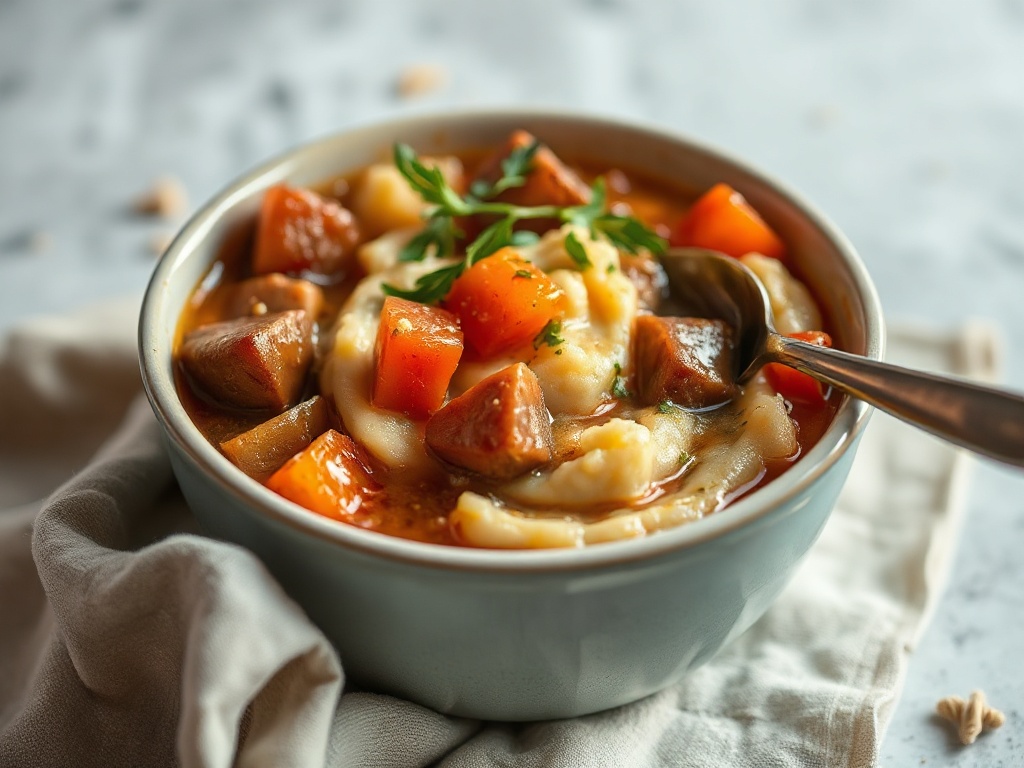
Dutch Stamppot: The Ultimate Comforting Mashed Potato
In the vast tapestry of European cuisine, certain dishes stand out not just for their flavor, but for the profound sense of warmth and tradition they evoke. Among these cherished culinary gems is Dutch Stamppot, a quintessential comfort food from the Netherlands. This humble yet incredibly satisfying dish perfectly embodies the spirit of easy European meals: simple ingredients transformed into something extraordinary. Imagine creamy mashed potatoes expertly blended with hearty vegetables, creating a filling and flavorful meal that has graced Dutch tables for centuries. Whether you're seeking a hearty winter warmer or an accessible introduction to Dutch food, Stamppot offers a delightful journey into the heart of Northern European cooking, proving that true culinary joy often lies in the simplest of preparations.
What is Stamppot? A Glimpse into Dutch Culinary Heritage
Stamppot, literally translating to "mash pot," is far more than just mashed potatoes; it’s a celebration of simplicity, sustenance, and Dutch ingenuity. At its core, Stamppot consists of mashed potatoes combined with one or more vegetables, often served with a generous dollop of gravy and accompanied by smoked sausage (rookworst) or bacon. This dish traces its origins back to the working-class households of the Netherlands, where efficient, economical, and filling meals were paramount. It was born out of a need to make the most of seasonal produce and readily available staples, turning humble root vegetables and potatoes into a robust, energy-rich meal. Over centuries, it evolved from a necessity into a beloved national dish, symbolizing the Dutch values of practicality and hearty enjoyment. Every forkful tells a story of tradition, of families gathered around a warm table, and of the enduring appeal of food that truly nourishes the soul. It’s a testament to how easy recipes, deeply rooted in history, can continue to captivate and comfort generations, standing as a proud cornerstone of European cuisine.
The Anatomy of Stamppot: Essential Ingredients and Variations
The beauty of Stamppot lies in its straightforward ingredients and remarkable versatility, allowing for numerous delicious variations that cater to different tastes and seasons. The foundation is always potatoes, typically a floury variety like Russets or Maris Pipers, which mash up beautifully to create a creamy base. To this, a crucial element of the Stamppot is added: the vegetables. These are cooked, often steamed or boiled, and then "stamped" or mashed together with the potatoes, along with butter and a splash of milk or cream for extra richness. While the basic technique remains constant, the choice of vegetable defines the specific type of Stamppot. A good quality smoked sausage, known as rookworst, is the traditional accompaniment, adding a deep, smoky flavor that perfectly complements the earthy vegetables. However, crispy fried bacon bits or even meatballs can also be served. Understanding these core components and their variations is key to appreciating this authentic Dutch food.
- Boerenkoolstamppot (Kale Stamppot): Perhaps the most iconic, this version features kale, giving the dish a slightly bitter, robust flavor that pairs wonderfully with the creamy potatoes and rich sausage. It's a true winter classic.
- Hutspot (Carrot and Onion Stamppot): A vibrant and slightly sweeter Stamppot made with carrots and onions, often with bay leaves added during cooking for an aromatic depth. This variant is especially popular in autumn.
- Zuurkoolstamppot (Sauerkraut Stamppot): For those who appreciate a tangy kick, sauerkraut is mashed into the potatoes. The fermented cabbage provides a bright contrast to the richness, making it a distinctly flavorful option.
- Andijviestamppot (Endive Stamppot): Using raw or lightly wilted endive, this Stamppot offers a fresh, slightly bitter edge. The texture is often a bit lighter due to the less cooked vegetable, perfect for a lighter yet still hearty meal.
Crafting Your Own Stamppot: A Step-by-Step Guide
Creating your own authentic Dutch Stamppot is a wonderfully rewarding experience, showcasing just how easy European recipes can be while delivering maximum flavor and comfort. The process is straightforward, making it an ideal choice for both novice and experienced cooks. Start by selecting approximately 1.5 kg of floury potatoes; peel them and cut them into evenly sized chunks to ensure consistent cooking. Place the potatoes in a large pot, cover with cold water, add a pinch of salt, and bring to a boil. Cook until fork-tender, usually around 15-20 minutes. While the potatoes are cooking, prepare your chosen vegetables. For Boerenkoolstamppot, you’ll need about 500g of fresh kale, washed and finely chopped. Add the kale to the boiling potatoes for the last 10 minutes of their cooking time, allowing them to soften together. Once both are tender, drain them thoroughly, ensuring no excess water remains, as this can make your Stamppot watery. Return the pot to the stove over low heat for a minute to dry out any remaining moisture. Now for the mashing: add a generous knob of butter (around 50-70g) and about 100-150ml of warm milk or cream to the pot. Using a potato masher, begin to mash the potatoes and kale together until they reach a creamy, smooth consistency, with some texture from the kale remaining. Season generously with salt, freshly ground black pepper, and a pinch of freshly grated nutmeg – this spice is surprisingly essential and adds a classic Dutch touch. Stir everything together until well combined. Serve immediately, creating a well in the center of your Stamppot mound for a pool of rich gravy, and pair with a succulent smoked sausage (rookworst) or crispy bacon. This easy recipe promises a truly hearty and satisfying Dutch meal.
Beyond the Basics: Modern Twists and Pairings
While traditional Stamppot is a masterpiece of simplicity, its robust foundation lends itself beautifully to modern twists and creative pairings, pushing the boundaries of this classic Dutch comfort food. For those looking to experiment, consider incorporating different root vegetables like parsnips or celery root alongside the traditional choices for added depth and complexity. Sweet potatoes can also be partially substituted for regular potatoes, lending a subtle sweetness and vibrant color. Elevate the flavor profile with fresh herbs; finely chopped parsley, chives, or even a hint of thyme stirred into the mash can introduce a fresh, aromatic dimension. Spices, too, can play a role beyond nutmeg; a touch of smoked paprika or a pinch of white pepper can add a gentle warmth. For a richer, more indulgent Stamppot, consider folding in some grated Gouda or aged cheddar cheese, allowing it to melt into the warm mash for a truly decadent experience. Vegetarian and vegan adaptations are also increasingly popular. Plant-based milks and butters work perfectly for the mash, while smoked tofu, tempeh, or a rich mushroom gravy can replace the traditional meat accompaniments. Don't limit your protein pairings to just rookworst; consider serving Stamppot with pan-seared chicken, slow-cooked beef stew, or even a flavorful lentil loaf for a meat-free option. As for beverages, a crisp Dutch beer or a dry white wine provides an excellent counterpoint to the dish's richness. These modern approaches ensure that Stamppot remains a versatile and exciting part of easy European meals, appealing to a wide range of palates and dietary preferences while staying true to its comforting roots.
Stamppot in the European Context: Simple Pleasures, Global Appeal
Stamppot, while distinctly Dutch, resonates deeply within the broader context of European cuisine, sharing common threads with various comfort foods across the continent. It stands as a prime example of how many European nations have perfected the art of creating profoundly satisfying meals from humble, local ingredients. Think of Irish Colcannon, a similar mashed potato dish blended with cabbage or kale, or the German Eintopf, a hearty one-pot stew often featuring potatoes and vegetables. Even French Aligot, a rich, cheesy mashed potato, shares the same comforting essence. These dishes all speak to a shared culinary heritage where practicality meets deliciousness, where the warmth of a meal is as important as its flavor. Stamppot's appeal lies in its straightforwardness, making it an excellent representation of easy European recipes that don't compromise on taste or nutritional value. It's a dish that transcends borders, celebrated for its ability to provide warmth on a cold day, to bring families together, and to offer a sense of grounding and tradition. For anyone exploring the diverse and rich landscape of European food, Stamppot serves as a beautiful entry point into the simple, wholesome pleasures that define much of the continent's cooking. It reinforces the idea that some of the best culinary experiences are born from basic ingredients and a touch of regional culinary wisdom, making it a perfect example of the hearty and accessible dishes Easy European Meals aims to celebrate.
Conclusion
Dutch Stamppot truly embodies the heart of European comfort food: simple, hearty, and incredibly satisfying. This traditional Dutch mashed potato and vegetable dish offers a delightful blend of earthy flavors and creamy textures, proving that easy recipes can deliver profound culinary joy. Whether you opt for the classic Boerenkoolstamppot with kale, the sweet notes of Hutspot, or the tangy zest of Zuurkoolstamppot, you’re experiencing a piece of Dutch culinary heritage that has nourished and comforted generations. Its versatility allows for endless customization, making it perfect for any palate or occasion, from a quick weeknight dinner to a festive gathering. Stamppot is more than just food; it’s an invitation to savor the warmth and tradition that defines so much of European cuisine. We encourage you to bring this wonderful Dutch classic into your own kitchen and discover its comforting magic. For more inspiring and easy European recipes, be sure to explore the diverse offerings on Easy European Meals!
[Discover Dutch Stamppot, a hearty, easy-to-make mashed potato and vegetable dish. Learn its history, variations, and how to create this comforting European classic at home with our simple recipe guide.]
Commentaires
Enregistrer un commentaire