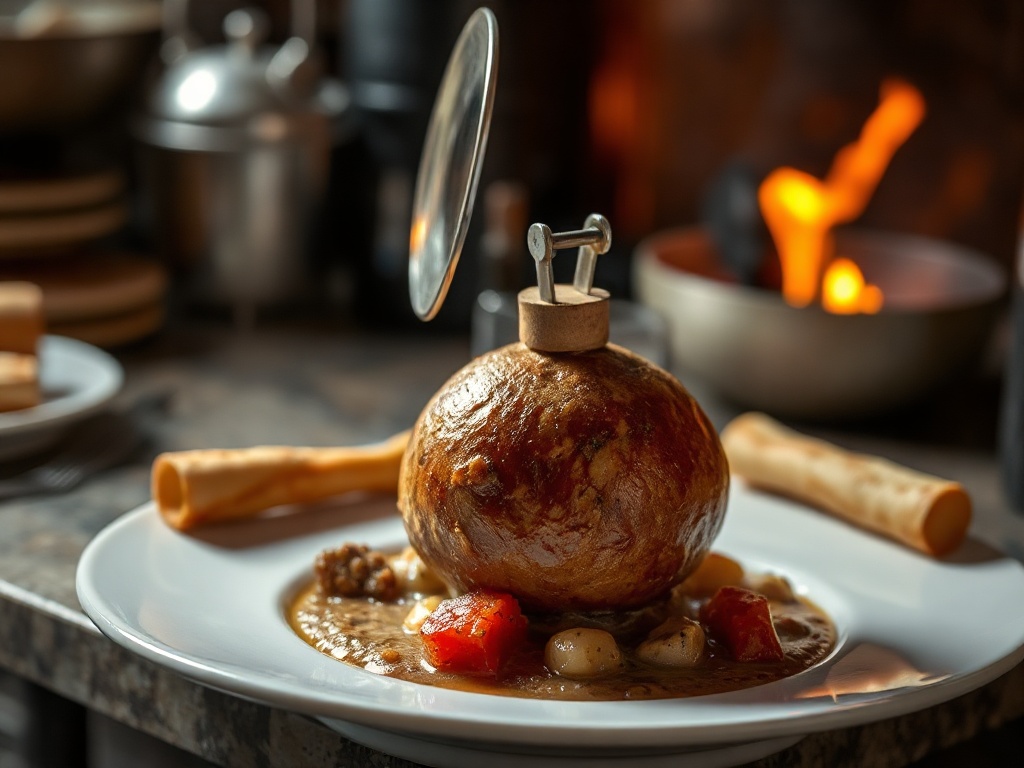
Croatian Peka: The Ultimate Slow-Cooked Feast Under the Bell
Embark on a culinary journey to the sun-drenched shores of Croatia, where a dish of unparalleled tenderness and flavor awaits: Peka. This traditional method of slow-cooking, often translated as "under the bell," is more than just a meal; it's an ancient ritual, a celebration of simple ingredients transformed into something extraordinary. Forget complicated techniques; Peka embodies the essence of Mediterranean cooking – patient preparation leading to unbelievably rich tastes. If you’re a fan of succulent meats and perfectly roasted vegetables, prepared with minimal fuss but maximum flavor, then exploring the magic of Croatian Peka is a must for your Easy European Meals repertoire.
What is Peka? Unveiling a Culinary Tradition
Peka refers both to the bell-shaped cast-iron lid and the exquisite dish prepared beneath it. Deeply rooted in the culinary heritage of Dalmatia and other regions of Croatia, this method dates back centuries, embodying a timeless approach to food preparation. Imagine an open hearth, where glowing embers gently heat the heavy iron bell, creating a miniature oven. Underneath, a robust combination of meat (often lamb, veal, or octopus), potatoes, and other seasonal vegetables slowly braises in its own juices, infused with aromatic herbs and a touch of white wine. The beauty of Peka lies in its simplicity and the profound flavors it yields. It's a testament to the power of slow cooking, transforming humble ingredients into a gastronomic masterpiece that speaks volumes of Croatian tradition and hospitality.
The Magic Behind the Bell: Why Peka is So Special
The unique charm of Peka lies in its ingenious cooking environment. The heavy cast-iron bell, often covered with hot coals, creates a perfectly sealed, self-basting chamber. This setup ensures that heat radiates evenly from all directions – from the coals above and below, and from the bell itself. This consistent, gentle heat works wonders on the ingredients, breaking down tough fibers in meats and allowing vegetables to caramelize without burning. The moisture released during cooking is trapped within the bell, creating a steamy environment that keeps everything incredibly tender and juicy. This continuous self-basting action means minimal intervention is required, allowing the flavors to meld and deepen over several hours, resulting in a dish that is both rustic and remarkably refined.
- Unparalleled Tenderness: The slow, even heat ensures meats fall off the bone and vegetables become melt-in-your-mouth soft.
- Flavor Infusion: Ingredients cook together, allowing their essences to combine and create a wonderfully complex, harmonious taste.
- Moisture Retention: The sealed environment under the bell traps steam, keeping everything incredibly juicy and preventing dryness.
- Rustic Authenticity: It offers a truly traditional Croatian experience, a taste of history and genuine Mediterranean culinary art.
Choosing Your Peka: Lamb, Octopus, Veal, and More
While the Peka method remains consistent, the stars of the dish can vary, offering a delightful range of flavors to explore. The most iconic and widely beloved Peka features lamb. Slow-cooked lamb Peka is a revelation, with the meat becoming incredibly tender and infused with garlic, rosemary, and the rich juices of accompanying potatoes. For those drawn to the sea, Octopus Peka is a coastal delicacy, particularly popular along the Adriatic. The octopus, often marinated, cooks down to a succulent, almost creamy texture, absorbing the flavors of olive oil, white wine, and herbs. Veal Peka offers another hearty option, delivering a rich, satisfying experience. Beyond these, chicken, pork, or even a mixed meat Peka are not uncommon. The beauty is in the versatility: potatoes are almost always present, joined by carrots, onions, bell peppers, and often a splash of local white wine, all bathed in generous amounts of quality Croatian olive oil.
Crafting Your Own Peka: A Step-by-Step Guide (Simplified for Home Cooks)
While the authentic Peka experience requires a specialized bell and an open hearth, you can recreate the spirit and delicious results in your home kitchen with a heavy Dutch oven or a large, oven-safe pot with a tight-fitting lid. The key is low and slow cooking. Start by preparing your chosen meat, cutting it into large pieces. Season generously with salt, pepper, garlic, fresh rosemary, and a bay leaf, then drizzle with good quality olive oil. If using lamb or veal, a short marinade in white wine can enhance flavor. Arrange the meat in your pot, surrounding it with chunks of potatoes, carrots, onions, and bell peppers. Add a splash of white wine and a little water or broth. Cover tightly and place in a preheated oven at a low temperature, around 300-325°F (150-160°C). Allow it to cook for 3-4 hours, or until the meat is fork-tender and the vegetables are caramelized and soft. Stir once or twice during cooking, ensuring nothing sticks and all ingredients are basking in the delicious juices. The patience invested will be amply rewarded with an incredibly flavorful and comforting meal.
The Peka Experience: Serving and Savoring
The moment of unveiling a Peka is truly part of its magic. Whether it's lifted from glowing embers or removed from your home oven, the aroma that escapes is nothing short of intoxicating. The meat, falling off the bone, gleams with its rich juices, while the vegetables are perfectly tender and slightly browned. Serving Peka is typically a rustic affair. The contents are often brought directly to the table in the cooking vessel, inviting diners to help themselves. Accompany this hearty dish with nothing more than a simple, crusty bread to soak up every last drop of the flavorful sauce, and perhaps a fresh, crisp green salad to cut through the richness. A glass of robust local Croatian red wine, such as Plavac Mali, or a refreshing white like Malvazija, perfectly complements the meal. Peka is designed for sharing, a communal feast that brings people together, fostering conversation and creating cherished memories around the table – a true embodiment of the joy of European dining.
Conclusion
Croatian Peka stands as a magnificent testament to the beauty of slow food and traditional Mediterranean cooking. It’s a dish that transcends mere sustenance, offering a deeply satisfying culinary experience rooted in history and flavor. From the tender, succulent meats to the perfectly roasted vegetables, all infused with aromatic herbs and olive oil, Peka embodies the warmth and generosity of Croatian hospitality. Whether you’re fortunate enough to experience it authentically in a Dalmatian konoba or recreate its essence in your own kitchen, Peka promises an unforgettable meal. We encourage you to explore this incredible dish and discover why it remains a cherished staple of European cuisine. For more easy European recipes and culinary inspiration, keep exploring Easy European Meals!
Commentaires
Enregistrer un commentaire