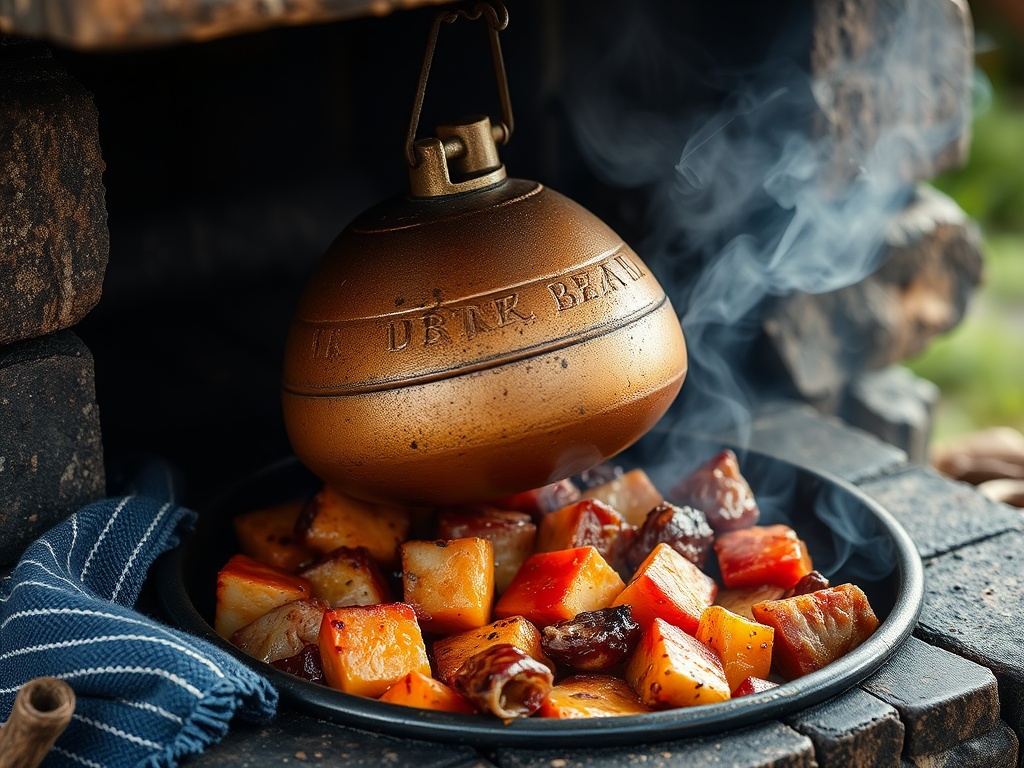
Croatian Peka: Slow-Cooked Perfection Under the Bell
Step into the heart of Croatian culinary tradition and discover Peka, a method of cooking that transcends a mere recipe to become a truly unforgettable experience. Imagine succulent meats or tender octopus, alongside hearty vegetables, slow-cooked for hours under a heavy, bell-shaped lid, traditionally nestled in the embers of an open fire. This ancient technique, known as "peka" or "ispod sača" (under the bell), yields dishes of unparalleled tenderness, depth of flavor, and comforting warmth. It's a testament to the simple yet profound magic of slow European cooking, bringing families and friends together over a meal that embodies the very essence of Croatian hospitality and the rich tapestry of Mediterranean cuisine. Prepare to unlock the secrets of this cherished dish and bring a piece of the Adriatic to your own table.
What is Peka? The Heart of Croatian Cuisine
Peka is more than just a dish; it's a cooking philosophy, a historical practice, and the name of the distinctive bell-shaped lid itself. At its core, Peka represents a time-honored Croatian cooking method where ingredients – most commonly lamb, veal, chicken, or octopus, along with potatoes and other vegetables – are slowly baked in a shallow metal dish, covered by a heavy, bell-shaped dome (the *sač*). This entire assembly is then placed directly into the hot embers of a fireplace or outdoor hearth, with more hot coals piled on top of the bell. This ancient technique, practiced across Dalmatia and other parts of Croatia for centuries, ensures an incredibly even distribution of heat, creating a self-basting environment that locks in moisture and infuses every component with a rich, smoky aroma. The result is meat so tender it falls off the bone, vegetables caramelized to perfection, and a harmonious blend of flavors that speaks volumes of Croatia's rustic, authentic culinary heritage. It’s a foundational element of their gastronomy, celebrated for its simplicity and the extraordinary depth of flavor it imparts.
The Magic of the Peka Bell: How It Works
The ingenuity of the Peka cooking method lies primarily in its unique apparatus: the *sač*. This heavy, cast-iron or earthenware bell, often accompanied by a shallow tray or pan, acts as a miniature, self-contained oven. The process begins by preparing your chosen ingredients – perhaps marinated cuts of lamb or veal, an octopus, or a mixture of potatoes, carrots, and onions – in the pan. Once seasoned, the *sač* is placed directly over the ingredients, sealing them within. Then, the magic truly begins: hot coals, usually from a wood fire, are carefully arranged around the base of the *sač* and, crucially, piled on top of the bell. This creates an all-encompassing, radiant heat source. The heavy lid not only prevents moisture and aromatic steam from escaping but also reflects heat downwards, creating a consistent, gentle cooking environment. This slow, even cooking over several hours allows tough cuts of meat to break down into succulent tenderness, while vegetables become wonderfully soft and caramelized, absorbing all the rich juices and smoky nuances. It's a testament to ancient wisdom, transforming simple ingredients into a culinary masterpiece.
- Traps moisture and steam, ensuring meat remains incredibly tender and juicy, preventing it from drying out.
- Creates a natural convection oven effect, cooking food evenly from all sides without constant turning.
- Imparts a unique, subtle smoky aroma and flavor from the coals, enhancing the depth of the dish.
- Infuses flavors deeply into all ingredients as they braise and roast slowly in their own juices.
Choosing Your Peka: Meat, Seafood, and Veggies
One of Peka's most beautiful attributes is its remarkable versatility, allowing cooks to create a diverse range of dishes suited to various tastes and occasions. While the method remains consistent, the star ingredients can vary widely. For meat lovers, Janjetina pod pekom (lamb Peka) and Teletina pod pekom (veal Peka) are perhaps the most iconic, celebrated for their fall-off-the-bone tenderness and rich, savory flavors, often enhanced with olive oil, garlic, rosemary, and a splash of white wine. Chicken Peka also offers a lighter, yet equally flavorful, alternative. Seafood enthusiasts, particularly along Croatia's stunning Adriatic coast, will often gravitate towards Hobotnica pod pekom (octopus Peka), where the octopus becomes incredibly tender and flavorful, complemented by potatoes and a medley of Mediterranean herbs. Beyond the main protein, potatoes are an almost universal accompaniment, absorbing the rich juices and becoming wonderfully soft and savory. Bell peppers, onions, carrots, and sometimes zucchini are also commonly added, contributing color, texture, and additional layers of flavor to this hearty, communal dish. The key, as with all excellent European cooking, lies in selecting fresh, high-quality ingredients that can shine through the slow cooking process.
Bringing Peka Home: Adapting for Your Kitchen
While the traditional Peka experience with its open fire and heavy *sač* is undeniably authentic, don't despair if you lack the outdoor setup! The essence of Peka – slow, even, moist cooking – can be wonderfully replicated in a standard home kitchen with a few clever adaptations. The most effective substitute is a heavy-duty Dutch oven or a large, oven-safe casserole dish with a tight-fitting lid. The thick walls and heavy lid of a Dutch oven mimic the heat retention and self-basting properties of the *sač*. To achieve Peka-like results, preheat your oven to a low temperature, typically between 300-325°F (150-160°C). Place your prepared ingredients into the Dutch oven, cover tightly, and cook for an extended period – often 3 to 4 hours, or even longer for larger cuts of meat. The key is patience; the low and slow approach is what tenderizes the meat and allows flavors to meld beautifully. You can even place a heavy, oven-safe plate or lid on top of your main lid to further press down and create a tighter seal, enhancing the steam retention. While you won't get the authentic smoky flavor of an open fire, the resulting dish will still be incredibly tender, juicy, and packed with the rustic flavors of the Mediterranean, proving that the spirit of Peka can truly thrive in any kitchen.
Serving Peka: A Taste of Croatian Hospitality
Serving Peka is an event in itself, embodying the generous spirit of Croatian hospitality and the joy of shared European meals. When the *sač* is finally lifted, revealing the glistening, tender contents, a collective sigh of anticipation usually fills the air. The dish is typically brought directly to the table in its cooking vessel, still warm and fragrant, ready for communal enjoyment. The rich, savory aromas of the slow-cooked meat or seafood, mingled with the earthy sweetness of the potatoes and vegetables, are utterly irresistible. Peka is a hearty, complete meal on its own, but it pairs beautifully with simple accompaniments that allow its flavors to shine. A crusty loaf of fresh bread is essential for soaking up the delicious juices, and a crisp, undressed green salad provides a refreshing counterpoint to the richness of the main dish. Of course, no Croatian meal is complete without a glass of local wine – a robust red from Dalmatia or Istria will perfectly complement the deep flavors of a meat Peka, while a crisp white wine would be ideal with seafood. Eating Peka is an experience designed for lingering, for conversation, and for savoring every tender, flavorful bite, truly connecting you to the heart of Mediterranean culture and its appreciation for slow, meaningful food.
Conclusion
Croatian Peka is more than just a recipe; it's a culinary journey rooted in tradition, patience, and the profound joy of sharing an exceptional meal. This ancient method of slow-cooking under the bell transforms simple, fresh ingredients into a symphony of flavors and textures, delivering unparalleled tenderness and depth. Whether you're savoring succulent lamb, delicate octopus, or a medley of caramelized vegetables, Peka stands as a testament to the timeless appeal of unhurried, heartfelt cooking that defines much of European and Mediterranean cuisine. It reminds us that some of the greatest culinary treasures are found in the simplest, most time-honored techniques. So, embrace the spirit of Peka – whether through traditional means or a home kitchen adaptation – and discover a dish that will undoubtedly become a cherished part of your own cooking repertoire. For more easy European recipes and delightful culinary adventures, be sure to explore Easy European Meals!
Commentaires
Enregistrer un commentaire