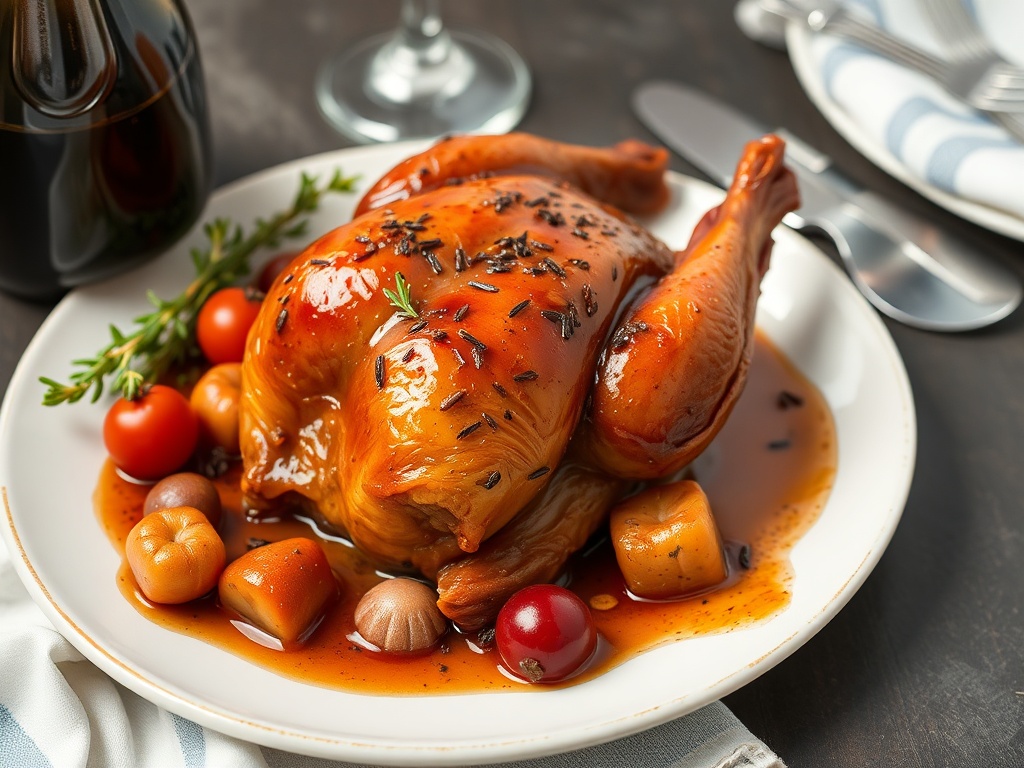
Classic French Coq au Vin Simple
Embark on a culinary journey to the heart of France with one of its most beloved and iconic dishes: Coq au Vin. This rustic yet elegant chicken stew, braised in red wine with bacon, mushrooms, and aromatics, embodies the soul of French country cooking. Often perceived as complex, we at Easy European Meals are here to demystify this classic, showing you how to prepare a "Classic French Coq au Vin Simple" that’s bursting with rich, comforting flavors without the fuss. Get ready to impress your family and friends with an authentic taste of European cuisine that’s surprisingly easy to master.
Unraveling the History of Coq au Vin
Coq au Vin, literally "rooster with wine," boasts a heritage as rich and deep as its flavor profile. Its origins are deeply rooted in French peasant cooking, where ingenuity transformed tough, older roosters into tender, succulent meals. Before refrigeration, wine was a practical and flavorful tenderizer, infusing the meat with robust character during long, slow braises. While legends sometimes link its invention to Julius Caesar during his conquest of Gaul, it's more accurately a testament to generations of French cooks who perfected the art of making delicious meals from humble ingredients.
Over centuries, Coq au Vin evolved from a necessity to a celebrated dish, with regional variations emerging across France. The most famous, Coq au Vin de Bourgogne, uses red Burgundy wine, bacon lardons, button mushrooms, and pearl onions, setting the standard for the classic version we adore today. Other regions boast their own twists, such as Coq au Vin Jaune from the Jura region, made with a distinct yellow wine, or Coq au Riesling, a lighter white wine version from Alsace. However, it was arguably Julia Child, the legendary American chef, who cemented Coq au Vin's place in the global culinary lexicon, introducing its comforting allure to countless home cooks through her seminal work, "Mastering the Art of French Cooking." Her approachable methods made this quintessential French dish accessible, transforming it from a restaurant staple to a beloved family meal around the world. Today, it remains a timeless symbol of French culinary ingenuity and comfort, proving that the best dishes often come from the simplest, most heartfelt traditions.
The Essential Ingredients for a Simple Coq au Vin
Creating a truly magnificent Coq au Vin doesn't require an exhaustive list of exotic ingredients, but rather a careful selection of quality components that sing in harmony. The beauty of this dish lies in the transformation of simple, fresh produce and proteins into something extraordinary. For our "Classic French Coq au Vin Simple," we focus on the core elements that deliver maximum flavor with minimal fuss.
First and foremost, the chicken. While traditionally made with a rooster, modern versions thrive on bone-in, skin-on chicken pieces – thighs and drumsticks are preferred for their rich flavor and ability to remain moist during long braising. The bones contribute depth to the sauce, and the skin, once seared, adds a beautiful texture and renders delicious fat. Next, the star of the sauce: red wine. Don't reach for the cheapest bottle; choose a dry red wine you would genuinely enjoy drinking. A good quality Pinot Noir, Burgundy, Merlot, or even a robust Côtes du Rhône will provide the perfect backbone for your stew. This isn't just a cooking liquid; it's the very soul of the dish. Bacon or lardons are crucial for building the foundational flavors; rendering them slowly creates a beautiful fat for cooking and crispy bits for garnish. You'll also need classic French aromatics like onions (pearl onions are traditional, but chopped yellow onions work perfectly), fresh garlic, and perhaps a few carrots for sweetness and depth. Fresh mushrooms, such as button or cremini, add an earthy counterpoint, while fresh herbs like thyme and bay leaf infuse the dish with their fragrant essence. While optional, a splash of good brandy for deglazing can add another layer of complexity. Finally, good quality chicken stock and a little flour for thickening the sauce will round out your ingredient list.
- Quality Wine is Key: Choose a dry red wine that you genuinely enjoy drinking, as its flavor will define the entire dish.
- Don't Skimp on Browning: Deeply browning the chicken and bacon creates foundational layers of rich, savory flavor through the Maillard reaction.
- Fresh Herbs Make a Difference: Opt for fresh thyme and parsley; their vibrant aromas elevate the overall taste significantly.
- Sauté Mushrooms Separately: For perfectly browned, flavorful mushrooms, always sauté them in a separate pan rather than overcrowding the main pot.
Mastering the Steps: Your Easy Coq au Vin Method
Creating a "Classic French Coq au Vin Simple" is less about complex techniques and more about patient, sequential steps that build flavor layer by layer. The beauty of this dish lies in its methodical approach, leading to an incredibly rewarding culinary experience. Let's break down the process into easy-to-follow stages.
Begin with mise en place – gather and prepare all your ingredients before you start cooking. Chop your onions, garlic, and carrots; slice your mushrooms; measure out your wine and stock. This preparation makes the cooking process smooth and enjoyable. First, in a large Dutch oven or heavy-bottomed pot, render your bacon or lardons over medium heat until crispy. Remove the bacon with a slotted spoon and set aside, leaving the rendered fat in the pot. Next, pat your chicken pieces thoroughly dry – this is crucial for achieving a beautiful, deep brown sear. Season the chicken generously with salt and pepper, then brown it in batches in the bacon fat until deeply golden on all sides. Don't overcrowd the pan, as this will steam the chicken instead of searing it. Remove the browned chicken and set aside.
In the same pot, add your chopped onions and carrots, sautéing them until softened and lightly caramelized, scraping up all the delicious brown bits (fond) from the bottom of the pan. Add the minced garlic and cook for another minute until fragrant. If using, pour in the brandy and, if you're feeling adventurous, carefully ignite it to burn off the alcohol (ensure good ventilation and stand back!). Otherwise, simply let it cook down for a minute. Then, pour in the red wine, scraping the bottom of the pot vigorously to release all the flavorful fond. Bring the wine to a simmer and let it reduce slightly. Add the chicken stock, bay leaf, and fresh thyme, then return the browned chicken pieces to the pot, ensuring they are mostly submerged in the liquid. Bring the stew to a gentle simmer, then cover the pot and cook slowly for 45-60 minutes, or until the chicken is fork-tender.
While the chicken braises, sauté your mushrooms in a separate pan with a little butter until they are golden brown and have released their moisture. Once the chicken is cooked, remove it from the pot. If your sauce is too thin, you can thicken it by making a flour slurry (flour mixed with cold water) or a beurre manié (equal parts softened butter and flour kneaded together) and whisking it into the simmering sauce until it reaches your desired consistency. Return the chicken and sautéed mushrooms to the pot, gently stirring to coat everything in the rich sauce. Taste and adjust the seasoning with salt and pepper as needed. Finally, let the Coq au Vin rest off the heat for 10-15 minutes before serving; this allows the flavors to meld and deepen beautifully. Garnish with fresh parsley and the reserved crispy bacon bits for a truly unforgettable meal.
Tips for Success: Elevating Your Coq au Vin
While Coq au Vin is a dish of comforting simplicity, a few expert tips can transform your "Classic French Coq au Vin Simple" from good to truly extraordinary. These insights, gleaned from generations of European cuisine mastery, focus on maximizing flavor and ensuring a perfect result every time.
Firstly, don't overcrowd the pan when browning your chicken or bacon. Overcrowding lowers the temperature of the pan, leading to steamed ingredients rather than beautifully caramelized ones. Work in batches if necessary, ensuring each piece gets a deep, golden crust. This browning, known as the Maillard reaction, is fundamental to developing the rich, savory base of your stew. Secondly, embrace the power of fond. Those dark, crusty bits that stick to the bottom of the pan after browning are flavor gold. When you add the wine or brandy for deglazing, make sure to scrape up every last bit with a wooden spoon – this is where the depth of your sauce truly begins. Thirdly, patience with simmering is paramount. Coq au Vin is a slow-cooked dish for a reason. A gentle, steady simmer over a longer period ensures the chicken becomes incredibly tender and the flavors have ample time to meld and deepen. Rushing this step will result in tough meat and a less complex sauce.
A fantastic tip for entertaining is that Coq au Vin is famously better the next day. The flavors continue to develop and meld overnight, making it an ideal dish to prepare in advance. Simply reheat gently on the stovetop. When it comes to adjusting consistency, if your sauce is too thin, simply simmer it uncovered for a bit longer to allow it to reduce. If it’s too thick, add a splash of chicken stock or water. For a richer, silkier sauce, you can finish it with a beurre manié (equal parts softened butter and flour kneaded together, then whisked into the hot sauce until dissolved). Always remember to season throughout the cooking process, tasting and adjusting at various stages – after browning, after adding liquids, and finally before serving. This layered seasoning ensures a perfectly balanced flavor profile. Lastly, don't underestimate the impact of a fresh garnish. A sprinkling of vibrant, freshly chopped parsley not only adds a pop of color but also a fresh, herbaceous note that brightens the entire dish, providing a beautiful contrast to the rich, dark sauce. These small details are what truly elevate your French culinary creation.
Perfect Pairings and Serving Suggestions
Once your "Classic French Coq au Vin Simple" has simmered to perfection, the final step is to serve it in a way that celebrates its rustic elegance and maximizes the dining experience. This hearty French stew is incredibly versatile and pairs beautifully with a range of classic side dishes, transforming a simple meal into a memorable feast from your Easy European Meals kitchen.
The quintessential accompaniment to Coq au Vin is undeniably creamy mashed potatoes (pommes purée). Their velvety texture and subtle richness provide the perfect canvas to soak up every drop of the luscious, wine-infused sauce. Alternatively, buttered egg noodles, fluffy rice, or simple boiled new potatoes also make excellent choices. For a touch of Mediterranean food inspiration, you could even serve it alongside polenta. Don't forget a crucial element of French dining: a warm, crusty baguette. It's not just bread; it's an essential tool for "mopping up" every last bit of that exquisite sauce, ensuring no flavor is left behind. To balance the richness of the stew, a simple, crisp green salad dressed with a light vinaigrette offers a refreshing counterpoint, cleansing the palate between savory bites. Roasted asparagus or blanched green beans with a knob of butter also make lovely vegetable accompaniments.
When it comes to wine pairing, the golden rule is simple: drink the wine you cooked with! A good quality Pinot Noir, Burgundy, or Merlot will complement the dish beautifully, echoing the flavors within the stew and creating a harmonious dining experience. Coq au Vin is an incredibly versatile dish for various occasions. While it feels special enough for a dinner party, its comforting nature makes it perfect for a cozy family dinner on a chilly evening. Its ability to be made ahead of time also makes it a fantastic choice for entertaining, allowing you to relax and enjoy your guests. For presentation, serving Coq au Vin directly from the elegant Dutch oven it was cooked in adds a rustic charm. Alternatively, transfer it to a large, warm serving platter, garnished generously with fresh parsley and the reserved crispy bacon bits. Leftovers are a true delight; Coq au Vin stores wonderfully in the refrigerator for 3-4 days and reheats beautifully on the stovetop or in the oven, often tasting even better the next day as the flavors deepen and meld further. Consider making a double batch to enjoy throughout the week!
Conclusion
Mastering the "Classic French Coq au Vin Simple" is more than just cooking a meal; it's an invitation to experience the heart of French culinary tradition right in your own kitchen. This easy recipe, steeped in history and bursting with rich, savory flavors, proves that gourmet European cuisine can be both accessible and deeply rewarding. From the simple act of browning chicken to the magic of slow simmering in red wine, each step contributes to a dish that speaks volumes of comfort and sophistication. It's a testament to the fact that with quality ingredients and a little patience, anyone can create an unforgettable meal that rivals the best of French Italian Spanish cooking.
So, gather your ingredients, uncork a good bottle of wine, and let the enticing aromas of this classic stew fill your home. You'll be amazed at how simple it is to achieve such profound flavor. This Coq au Vin isn't just a meal; it's an experience, a journey through the delightful landscapes of European cuisine. Ready to embark on your French culinary journey? Find the full recipe and more easy European meals on our site, and discover the joy of effortless gourmet cooking!
Commentaires
Enregistrer un commentaire