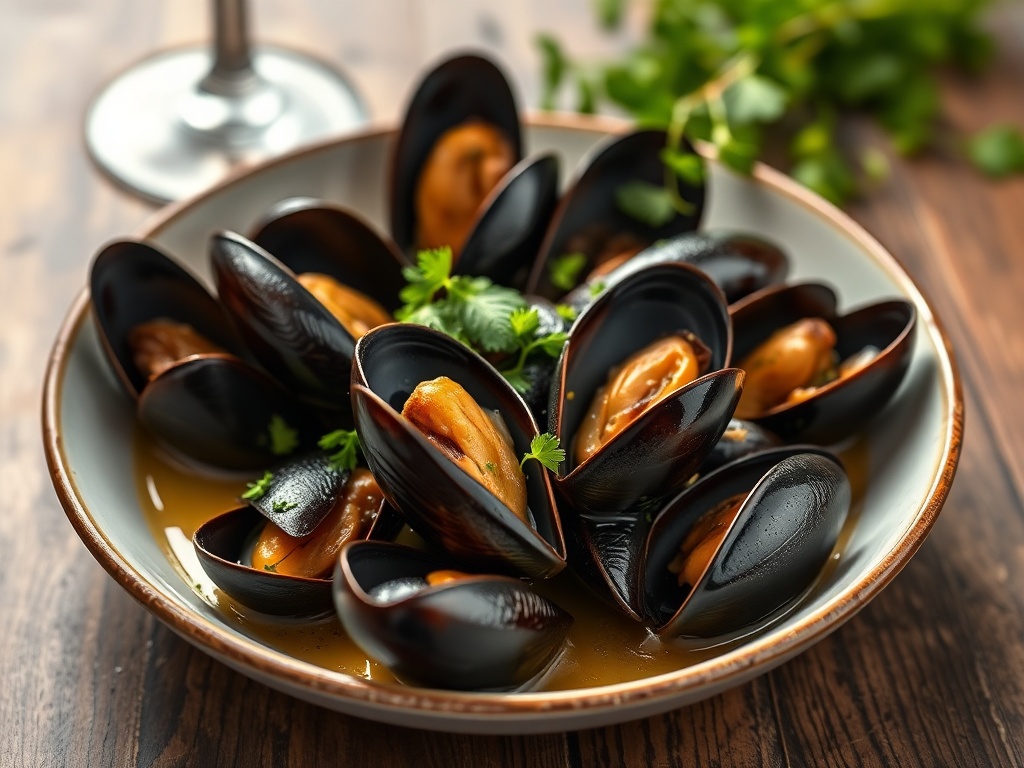
Belgian Mussels in White Wine Sauce: An Easy European Delight
Embark on a culinary journey to the heart of Belgium with a dish that embodies simplicity, freshness, and incredible flavour: Moules Marinières, or Belgian Mussels in White Wine Sauce. This iconic European meal, often served with crispy frites, is a testament to how humble ingredients can create an extraordinary dining experience. Perfect for a weeknight dinner or a special occasion, this recipe is surprisingly easy to master, bringing the vibrant taste of the North Sea right to your kitchen. Forget complicated techniques; we’re about to dive into a truly authentic and accessible European recipe that will quickly become a family favourite, showcasing the best of French, Italian, and Spanish cooking principles applied to a Belgian classic.
The Heart of Belgian Cuisine: Moules-Frites
In Belgium, Moules-Frites is more than just a meal; it's a cultural institution, a source of national pride, and a comforting staple found in bustling brasseries and cozy homes alike. The pairing of plump, succulent mussels steamed in aromatic broth with golden, crispy French fries is a culinary match made in heaven. While often associated with French cuisine, the dish’s roots run deep in Belgian soil, particularly along its coastline where fresh mussels are abundant. This dish beautifully exemplifies the philosophy of letting high-quality ingredients shine, a principle shared across much of European cooking, from the fresh seafood paellas of Spain to the simple pasta dishes of Italy. The elegance lies in its unpretentious nature, inviting diners to gather around, share, and savour. Historically, mussels were a cheap and plentiful food source, particularly during the colder months when they are at their best. Over time, their popularity soared, evolving into the beloved national dish we know today. Different regions of Belgium may offer slight variations in the broth – some prefer a creamier sauce, others a touch of mustard – but the classic white wine and herb base remains the most cherished. This enduring popularity speaks volumes about the dish's timeless appeal and its ability to transport you straight to a quaint Belgian square with every delicious bite, providing a taste of true European authenticity without needing a passport.
Sourcing the Best Mussels: Tips for Success
The secret to truly spectacular Belgian mussels lies unequivocally in the quality and freshness of your primary ingredient. Mussels are living creatures, and treating them with care from market to plate is paramount for both flavour and safety. When selecting mussels, think of them as tiny culinary treasures that demand your attention. Don't be afraid to engage your senses; the best mussels will tell you they're ready to be transformed into a delicious meal. Beyond the mussels themselves, the supporting cast of ingredients for the white wine sauce is equally important. Each component plays a crucial role in building the layered, aromatic flavour profile that defines this classic European dish. Prioritizing fresh, high-quality ingredients ensures that the final result is nothing short of extraordinary, embodying the spirit of easy yet gourmet European cooking.
- Freshness is Key: Always purchase mussels from a reputable fishmonger or a well-stocked supermarket. The most reliable indicator of freshness is the smell; fresh mussels should have a clean, briny, sea-like aroma, never fishy or off-putting. Visually, look for mussels with tightly closed shells. Any mussels with gaping shells that do not close firmly when tapped should be discarded, as this indicates they are likely dead.
- Cleaning and Debarding: Before cooking, mussels require a quick but thorough cleaning. Rinse them under cold running water, scrubbing any dirt or grit from the shells with a stiff brush. The "beard" – a fibrous filament protruding from the side of the shell – should be removed just before cooking. Simply grasp it firmly and pull towards the hinge of the mussel to detach it. Discard any mussels that are broken, cracked, or remain open after tapping, as they are not safe to eat.
- Essential Sauce Ingredients: The classic white wine sauce (Marinière) is built on a foundation of simple yet powerful aromatics. You'll need fresh shallots, finely minced, which offer a milder, sweeter flavour than onions. Several cloves of garlic, also finely minced, are indispensable for their pungent warmth. Fresh parsley, chopped, is essential for its bright, herbaceous finish, and a generous knob of good quality unsalted butter provides richness and depth. These ingredients, though basic, form the aromatic heart of your sauce, echoing the clean flavour profiles found in many Mediterranean dishes.
- Quality of Wine: The white wine you choose for your sauce should be dry and crisp, something you would genuinely enjoy drinking. A Sauvignon Blanc, Pinot Grigio, or a dry unoaked Chardonnay are excellent choices. Avoid sweet wines, as they will alter the flavour profile of the sauce. The alcohol cooks off, leaving behind a concentrated essence of the wine's acidity and fruit notes, which perfectly complements the briny sweetness of the mussels. Using a good quality wine elevates the entire dish, much like a fine olive oil enhances a Tuscan pasta.
Crafting the Perfect White Wine Sauce (Marnière Style)
The beauty of Belgian Mussels in White Wine Sauce, or Moules Marinières, lies not just in the plump, succulent mussels themselves, but in the exquisite, flavourful broth they are steamed in. This sauce, rich yet light, is the essence of easy European elegance, proving that you don't need a complex ingredient list to achieve profound taste. The process is straightforward, almost meditative, and builds layers of flavour that perfectly complement the natural sweetness of the shellfish. It’s a culinary technique that resonates with the principles of French cooking – starting with a mirepoix of aromatics – and echoes the Mediterranean emphasis on fresh herbs and quality liquids. The balance of acidity from the wine, the sweetness of the shallots, and the pungency of the garlic creates a harmonious base that truly elevates the entire dish. This is where the magic happens, transforming simple ingredients into a gourmet experience that feels both indulgent and wonderfully accessible. Mastery of this sauce is a gateway to understanding the heart of European comfort food, where every ingredient plays a vital role in creating a cohesive and unforgettable flavour profile. The simplicity is its strength, allowing even novice cooks to achieve restaurant-quality results with confidence and ease, making it a perfect addition to your easy European meals repertoire.
Begin by melting a generous knob of unsalted butter in a large, heavy-bottomed pot or Dutch oven over medium heat. Once the butter is shimmering, add your finely minced shallots. Sauté them gently for about 3-5 minutes until they become translucent and fragrant, but without browning. This slow cooking allows their natural sweetness to develop, forming a delicate base for your sauce. Next, add the minced garlic and cook for another minute, stirring constantly, until aromatic. Be careful not to burn the garlic, as this can impart a bitter taste to your sauce. The key here is patience and a watchful eye. Once the aromatics are softened and fragrant, it's time for the star liquid: the white wine. Pour in a generous amount of your chosen dry white wine, ensuring it’s of a quality you’d happily drink on its own. Bring the wine to a vigorous simmer, allowing it to bubble for 2-3 minutes. This crucial step, known as deglazing, helps to release any flavourful bits stuck to the bottom of the pot and allows some of the alcohol to evaporate, leaving behind the concentrated essence of the wine. Finally, stir in a handful of fresh parsley, reserving a little for garnish. Season lightly with salt and freshly ground black pepper, remembering that the mussels themselves will release their own briny liquid, which will contribute to the overall seasoning of the broth.
Cooking the Mussels to Perfection
With your aromatic white wine sauce simmering gently, you're now just moments away from a truly spectacular European meal. Cooking mussels is an incredibly quick process, but precision is key to achieving that perfect tender texture. Overcooked mussels become rubbery and lose their delicate flavour, so timing is everything. This final step is where the fresh, briny essence of the sea meets the rich, aromatic broth, creating a symphony of flavours that define this Belgian classic. It’s a testament to the efficient and flavour-focused cooking techniques prevalent in many European kitchens, from the quick sautés of France to the rapid steaming of seafood in Italy and Spain. The speed of cooking ensures that the mussels retain their natural moisture and sweetness, resulting in a dish that is both elegant and deeply satisfying. This phase of the recipe is not just about cooking; it's about transforming simple shellfish into a gourmet experience with minimal effort, making it an ideal choice for an easy and impressive dinner. The anticipation builds as the pot steams, and the reward is a bowl full of plump, perfectly cooked mussels swimming in a delectable broth, ready to be devoured.
Once your white wine sauce is ready and simmering, increase the heat to high. Add all the cleaned and de-bearded mussels directly into the pot. Immediately cover the pot with a tight-fitting lid. The high heat will generate steam, which is what cooks the mussels. Resist the urge to peek during the initial cooking phase, as you want to trap all that precious steam inside. Allow the mussels to steam for approximately 5-7 minutes. After about 3-4 minutes, you can carefully lift the lid and give the pot a good shake to redistribute the mussels, ensuring even cooking. This helps those at the bottom move to the top and vice versa. Continue steaming until all (or almost all) the mussels have opened wide. This opening indicates that they are cooked through and ready to eat. Once the majority of the shells have opened, immediately remove the pot from the heat. It’s crucial not to overcook them at this stage. Any mussels that remain stubbornly closed after cooking should be discarded; they were likely dead before cooking and are not safe to consume. Gently stir the cooked mussels into the broth, ensuring they are all coated in the fragrant sauce. The vibrant aroma filling your kitchen will be a clear indication that a delicious European feast awaits, perfectly cooked and bursting with flavour.
Serving Suggestions and Pairings
The grand finale of preparing Belgian Mussels in White Wine Sauce is the moment of serving, and this is where you truly embrace the European dining experience. While the mussels themselves are the star, the way you present and accompany them elevates the meal from simply delicious to genuinely unforgettable. This dish is inherently communal, inviting diners to share from a central pot, dipping crusty bread into the rich broth, and savouring every briny, garlicky drop. It’s a tradition that transcends borders, reminiscent of Spanish tapas or Italian family-style meals, where food brings people together. The accompaniments are simple yet essential, designed to complement the delicate flavours of the mussels without overpowering them. The beauty of this dish lies in its versatility; it can be a casual weeknight dinner or an elegant starter for a larger gathering, always delivering a taste of authentic European charm. Thinking about the perfect pairings transforms the meal from a recipe into an experience, allowing you to fully appreciate the balance and harmony of this classic dish, making it a truly easy yet sophisticated addition to your culinary repertoire.
The quintessential accompaniment for Moules Marinières is, without a doubt, a generous portion of crispy, golden French fries – or "frites" as they are known in Belgium. The saltiness and crunch of the frites provide a wonderful textural contrast to the tender mussels and are absolutely perfect for dipping into the flavourful white wine broth. If you're making them from scratch, double-frying is the secret to achieving that coveted crispy exterior and fluffy interior. Alternatively, high-quality frozen fries can be a convenient and delicious option. Beyond frites, a crusty baguette or any good quality artisan bread is an absolute must. This bread serves as the perfect vehicle for soaking up every last drop of the exquisite sauce, ensuring no flavour goes to waste. A simple green salad with a light vinaigrette can also offer a refreshing counterpoint, cutting through the richness and adding a touch of freshness to the meal. For beverages, sticking with a dry white wine – perhaps the same one you used in the sauce – is an excellent choice. Its crisp acidity beautifully complements the seafood and cuts through the richness of the butter. Alternatively, a crisp Belgian beer, such as a Witbier (wheat beer) or a light lager, would also be a traditional and delightful pairing, enhancing the authentic Belgian experience. Serve the mussels directly from the pot, placed in the centre of the table, allowing everyone to help themselves and enjoy the communal aspect of this wonderful European dish.
Conclusion
Belgian Mussels in White Wine Sauce, or Moules Marinières, stands as a testament to the extraordinary flavours that can emerge from simple, fresh ingredients. This iconic dish, deeply rooted in Belgian culinary tradition, offers an accessible and incredibly rewarding journey into European cuisine. From selecting the freshest mussels to crafting the aromatic white wine sauce and serving with crispy frites, every step is designed for ease and maximum flavour. It’s a dish that brings people together, evoking the warmth of a European brasserie right in your own home. So, gather your ingredients, follow these simple steps, and prepare to impress your family and friends with a meal that is both elegant and deeply satisfying. We encourage you to try this easy European recipe today and discover the delightful taste of Belgium. For more easy European meals, French, Italian, and Spanish cooking inspiration, explore our collection and bring the world of flavour to your table!